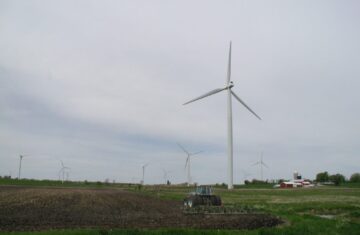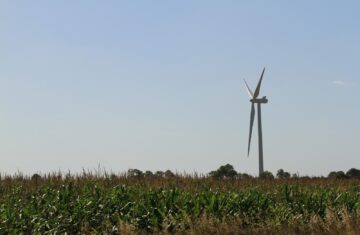
Fenton Wind Farm represents the successful expansion of renewable energy in a state that has long embraced its clean energy potential. Developed by a partnership between local and national entities, this project underscores Minnesota’s strategic approach to integrating wind power into its grid, bolstering rural economies while steadily displacing fossil fuel generation. The Fenton Wind Farm exemplifies how community-focused development can yield both environmental and economic dividends for the North Star State.
Significance & Context
The Fenton Wind Farm is a substantial contributor to Minnesota’s renewable energy portfolio, which is one of the most robust in the Midwest. With an operational capacity of 120 megawatts (MW), the project generates enough electricity to power approximately 45,000 homes. This output provides a significant stream of zero-emission power, directly supporting Minnesota’s Renewable Energy Standard and helping to avoid an estimated 240,000 metric tons of carbon dioxide emissions annually. Its location in Murray County capitalizes on high-quality wind resources, making it an efficient and reliable asset for the regional grid.
Development Timeline
The development of the Fenton Wind Farm followed a collaborative and deliberate path. The project was spearheaded by Juhl Energy, a developer known for its community-based model, before being acquired by ALLETE Clean Energy. After securing land leases and necessary permits, construction commenced in 2017. The project advanced steadily and achieved commercial operation in 2018, marking a swift transition from construction to a fully operational power generator for the region.
Technology & Innovation
The Fenton Wind Farm utilizes a fleet of modern, high-capacity wind turbines to maximize energy production. The project is equipped with Siemens Gamesa wind turbines, selected for their durability and performance in the climate of the Upper Midwest. These turbines, with their tall hub heights and large rotor diameters, are engineered to efficiently capture the wind energy available across the project site. The facility also employs sophisticated monitoring technology to optimize output and ensure reliable integration with the grid.
Challenges & Controversies
A primary challenge for the Fenton Wind Farm was navigating the local permitting process and addressing concerns from some residents regarding the project’s visual impact on the rural landscape and potential effects on property values. This is a common hurdle for wind projects, as noted by the U.S. Department of Energy. The developers addressed these concerns through a sustained period of public engagement, including town hall meetings and direct negotiations with landowners. By establishing clear decommissioning plans and agreeing to site-specific mitigation measures, the project gained the necessary county approvals and built crucial local support.
Community & Economic Impact
The Fenton Wind Farm has delivered meaningful economic benefits to Murray County. During its construction phase, the project typically employed over 150 workers, providing a significant boost to local services and commerce. In its operational phase, it typically employs a dedicated team of technicians for maintenance, creating skilled, long-term jobs in a rural area. Crucially, the project likely contributes millions of dollars in property tax revenue over its lifespan, providing essential funding for local schools, roads, and emergency services. Additionally, the wind farm provides participating landowners with steady annual lease payments, offering a reliable source of supplemental income that strengthens the agricultural economy.
Future Outlook
Anchored by a long-term power purchase agreement, the Fenton Wind Farm has a stable and predictable operational future. As a key component of Minnesota’s clean energy infrastructure, it is well-positioned for decades of continued service. As wind technology evolves, the site may eventually be considered for repowering—a process where the original turbines are replaced with newer, more powerful models. As detailed by the National Renewable Energy Laboratory (NREL), this could significantly increase the site’s energy output on the same footprint, ensuring the Fenton Wind Farm remains a valuable community asset and a pillar of Minnesota’s renewable energy landscape for years to come.
Discover also at Minnesota: Prairie Star Wind Farm