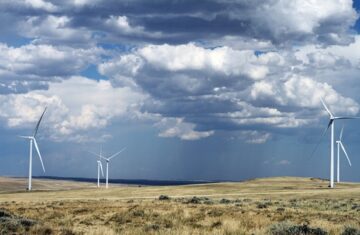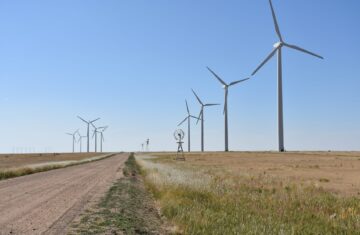
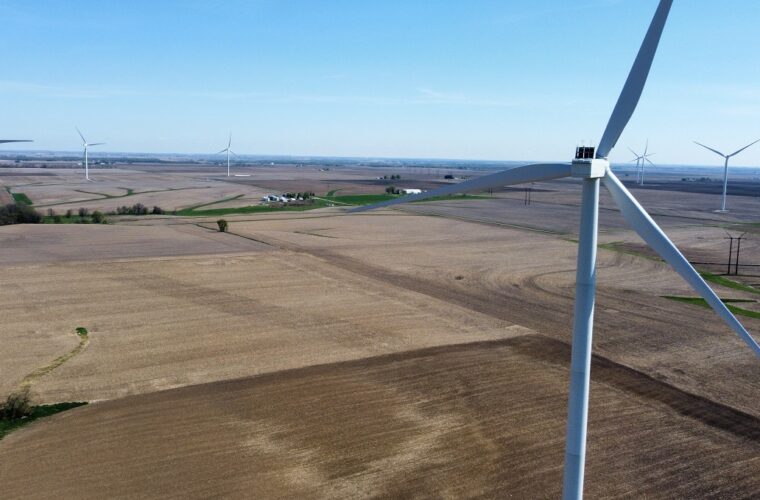
Michigan’s Lower Peninsula, the Clinton Wind Farm represents a strategic investment in the state’s diversified energy future. As a significant power generator in a region traditionally reliant on other energy sources, this project highlights wind power’s growing role in the Great Lakes State. The Clinton Wind Farm demonstrates how Michigan’s rural landscapes can contribute to clean energy goals while creating a new, long-term revenue stream for agricultural communities, fostering a partnership between traditional farming and modern technology.
Significance & Context
The Clinton Wind Farm is a substantial contributor to Michigan’s renewable energy portfolio. With an operational capacity of 100 megawatts (MW), the project generates enough electricity to power approximately 35,000 Michigan homes. This output provides a meaningful injection of zero-emission power into the regional grid, directly supporting Michigan’s ambitious clean energy standards. By displacing fossil fuel generation, the farm helps avoid an estimated 200,000 metric tons of carbon dioxide emissions annually, contributing to improved air quality and the state’s climate action objectives.
Development Timeline
The development of the Clinton Wind Farm followed a deliberate and community-focused timeline. Developed by Heritage Sustainable Energy, Michigan’s largest wind energy developer, the project underwent extensive planning and permitting throughout the early 2010s. Construction commenced in 2014, with careful attention to minimizing disruption to the agricultural activities in Clinton County. The project was successfully completed and reached commercial operation in 2015, becoming an integrated part of the local landscape and energy infrastructure.
Technology & Innovation
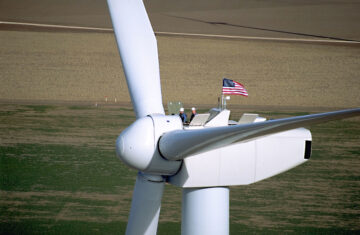
The Clinton Wind Farm utilizes durable turbine technology suited to the Michigan environment. The project features Siemens wind turbines, selected for their reliability and performance in the region’s wind regime. These turbines, with their moderate rotor diameters and robust design, effectively capture energy across varying wind conditions. The project’s design emphasizes coexistence with agriculture, allowing farming to continue around the turbine bases, thereby maximizing land use efficiency.
Challenges & Controversies
A significant challenge for the Clinton Wind Farm was navigating local zoning regulations and addressing concerns from some residents regarding the project’s visual impact and potential noise. As documented by the U.S. Department of Energy, these are common hurdles for wind projects. The developer addressed these issues through a prolonged period of public engagement, working closely with Clinton County officials to ensure compliance with all local ordinances and establishing clear setback distances from non-participating properties to mitigate impacts.
Community & Economic Impact
The Clinton Wind Farm has delivered tangible economic benefits to Clinton County. During its construction phase, the project typically employed over 150 workers, providing a significant boost to local services. In its operational phase, it typically employs a dedicated team of local technicians for maintenance, creating skilled, long-term jobs. The project likely contributes millions of dollars in property tax revenue over its lifespan, providing crucial funding for local schools, public safety, and road maintenance. Additionally, participating landowners receive steady annual lease payments, providing a reliable source of supplemental income that supports the agricultural economy.
Future Outlook
With a long-term power purchase agreement securing its output, the Clinton Wind Farm has a stable operational future. As a established asset in Michigan’s energy landscape, it is well-positioned to continue its contribution for the duration of its operational life. As the wind industry evolves, the site may eventually be considered for repowering—replacing the original turbines with newer, more efficient models. This process, as outlined by the National Renewable Energy Laboratory (NREL), could potentially increase the farm’s capacity and extend its economic benefits to the community for decades to come.
Find also at USA: Pomeroy Wind Farm