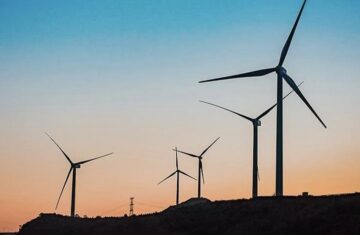
Nestled in the windswept plains of western Texas, the Bliss Wind Farm stands as a significant contributor to America’s renewable energy transition. This large-scale project exemplifies the strategic shift toward harnessing the region’s abundant natural resources to generate clean electricity, power homes, and bolster grid reliability. Its development underscores the critical role of wind power in meeting both state and national goals for a more sustainable and domestically secure energy future.
Significance & Context
The Bliss Wind Farm is a cornerstone of the broader energy infrastructure in a state already renowned for its oil and gas production. According to the American Clean Power Association, Texas leads the U.S. in wind power generation, and projects like Bliss reinforce that leadership by diversifying the energy portfolio. The farm’s output displaces the need for electricity generated from fossil fuels, directly contributing to reduced greenhouse gas emissions. Its location was strategically chosen to capitalize on the consistent and powerful wind patterns characteristic of the area, maximizing its efficiency and economic viability.
Development Timeline
Development of the Bliss Wind Farm began with extensive wind resource assessment and land acquisition negotiations around 2018. Major construction commenced in 2020, a period that coincided with global supply chain challenges. Despite these hurdles, the project achieved commercial operation in 2022, as documented in press releases by the developer EDF Renewables. The timeline from conception to completion reflects the multi-year process typical of modern energy infrastructure, involving meticulous planning, financing, regulatory approval, and physical construction.
Technology & Innovation
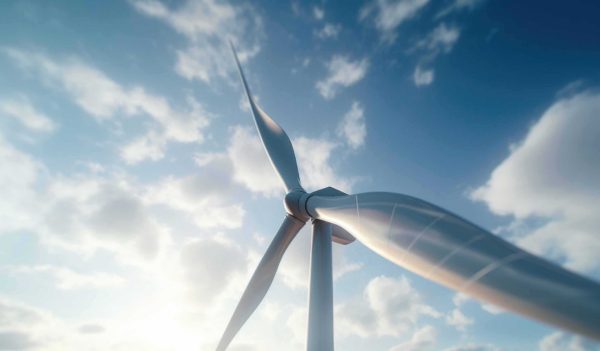
The farm utilizes some of the most advanced wind turbine technology available. Featuring turbines with nameplate capacities often exceeding 4 Megawatts (MW) each, such as the Vestas V150-4.2 MW model, the project leverages taller towers and longer blades to capture wind energy more efficiently at higher altitudes. A sophisticated supervisory control and data acquisition (SCADA) system continuously monitors performance, optimizing the angle of the blades and managing output to align with grid demands. This focus on high-capacity, smart technology ensures the project operates at peak productivity.
Challenges & Controversies
As with many large-scale infrastructure projects, Bliss Wind Farm faced its share of hurdles. Key challenges included navigating the complex web of local and state permitting and addressing concerns from some community members regarding visual impact and potential effects on property values—a common topic of study in resources like the Lawrence Berkeley National Laboratory’s reports. The development team addressed these issues through ongoing community engagement, adjusting turbine placements where feasible, and establishing clear decommissioning plans. Furthermore, logistical challenges in transporting massive turbine components to the remote site required careful coordination and infrastructure planning.
Community & Economic Impact
The project provides substantial economic benefits to the local community and region. During construction, it typically employs hundreds of workers, and its ongoing operations require a team of full-time technicians for maintenance and monitoring. The project likely contributes a significant stream of local property tax revenue, which helps fund public services like schools and emergency services. Analyses by the Texas Comptroller have shown such projects can be major revenue sources for rural counties. Additionally, private landowners who host turbines receive annual lease payments, providing a stable and drought-resistant source of income that supports rural families and the agricultural economy.
Future Outlook
The long-term outlook for the Bliss Wind Farm is stable. With a projected operational lifespan of 20-25 years, it will provide clean power for decades. The project is also well-positioned for future technological upgrades, or “repowering,” where older components could be replaced with even more efficient models to extend its life and increase output. As the energy storage industry evolves, the site may also one day be coupled with battery storage systems, a trend supported by research from the National Renewable Energy Laboratory (NREL), allowing it to deliver power even when the wind isn’t blowing, further enhancing its value to the grid.