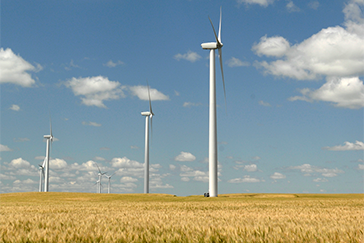
Langdon Renewables Wind Farm represents a strategic investment in one of the nation’s most prolific untapped wind resources. This project is pivotal in harnessing the state’s natural potential, often referred to as the “Saudi Arabia of wind,” and converting it into a valuable economic export. By delivering clean electricity to regional markets, Langdon Renewables strengthens North Dakota’s role as a dual energy powerhouse, capable of producing both traditional fossil fuels and cost-competitive renewable energy for the Midwest grid.
Significance & Context
The Langdon Renewables Wind Farm is a significant contributor to North Dakota’s growing wind portfolio. With a capacity of 150 megawatts (MW), the project generates enough electricity to power approximately 60,000 homes. This output provides a substantial stream of clean power to the Midcontinent Independent System Operator (MISO) grid, directly displacing generation from higher-emission sources. By avoiding an estimated 300,000 metric tons of carbon dioxide emissions annually, the project aligns with both state and regional goals for a more diversified and sustainable energy mix, leveraging the exceptional wind potential documented in the state.
Development Timeline
The Langdon Renewables Wind Farm progressed through a deliberate development cycle. Initiated by a subsidiary of ALLETE Clean Energy, the project began its planning and permitting phases in the mid-2010s. After securing necessary approvals and a power purchase agreement, major construction commenced in 2018. The project team successfully navigated the challenging construction season on the Northern Plains and achieved commercial operation in late 2019, efficiently bringing a new source of homegrown energy online.
Technology & Innovation
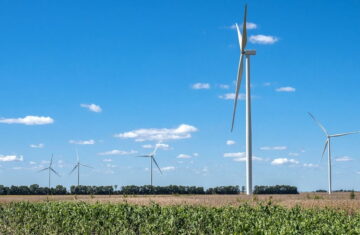
The Langdon Renewables Wind Farm is equipped with modern turbine technology engineered for the region’s climate. The site features Vestas V120-2.2 MW turbines, a model selected for its reliability and efficiency in lower wind speeds. The 120-meter rotor diameter allows these turbines to capture energy effectively across a large swept area, maximizing output in the prairie environment. The project’s design also incorporates cold-weather packages to ensure operational resilience and minimize downtime during North Dakota’s harsh winters.
Challenges & Controversies
A significant challenge for the Langdon Renewables Wind Farm was navigating the complex regulatory and permitting landscape, which involved multiple state and local agencies. Furthermore, the project had to address concerns common in rural communities regarding land use and the visual impact of industrial-scale turbines on the open landscape. These hurdles were overcome through a transparent and sustained public engagement process, where the developer worked closely with Cavalier County officials and landowners to negotiate agreements, address siting concerns, and clearly articulate the long-term economic benefits for the community.
Community & Economic Impact
The Langdon Renewables Wind Farm has delivered a substantial economic boost to Cavalier County. During its peak construction, the project typically employed over 200 workers, providing a significant influx of activity for local services. In its operational phase, it typically employs a dedicated team of local technicians for maintenance, creating valuable, skilled long-term jobs. The project likely contributes millions of dollars in property tax revenue over its lifespan, a critical source of funding for local schools, infrastructure, and public services. Additionally, the wind farm provides a steady, drought-resistant source of income for participating landowners through annual lease payments, bolstering the stability of the agricultural economy.
Future Outlook
Anchored by a long-term power purchase agreement with a major utility, the Langdon Renewables Wind Farm has a stable and predictable operational future. As a key asset in North Dakota’s energy portfolio, it is well-positioned to capitalize on the growing regional demand for clean energy. Looking ahead, the site’s established infrastructure makes it a prime candidate for future repowering. As detailed by the National Renewable Energy Laboratory (NREL), replacing the original turbines with more powerful models in the future could significantly increase the farm’s capacity, ensuring it remains a cornerstone of the local economy and the regional grid for decades to come.
Find also at North Dakota: Prairie Winds ND1