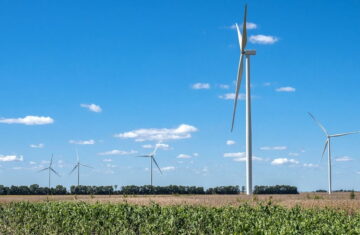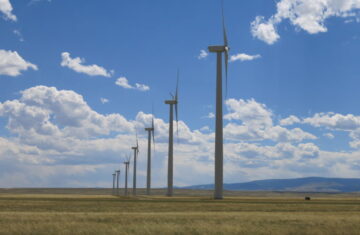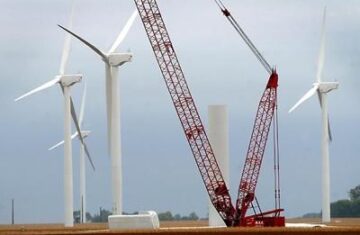
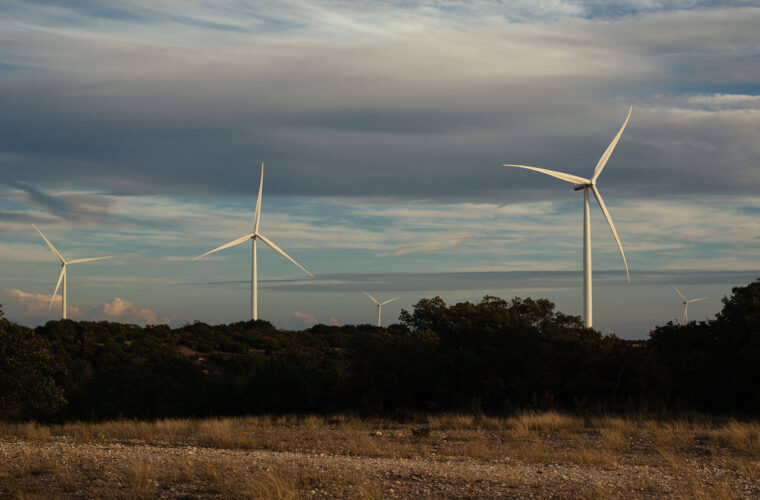
Located on Colorado’s expansive eastern plains, the Logan Wind Energy project represents a strategic investment in the state’s clean energy transition, harnessing a reliable natural resource to power urban centers and rural communities alike. This facility underscores a key dynamic in Colorado’s energy landscape: the critical role that rural counties play in meeting statewide renewable targets. By converting the steady plains wind into a substantial volume of electricity, Logan Wind Energy provides a significant source of zero-emission power while delivering tangible economic benefits to its local community.
Significance & Context
The Logan Wind Energy project is a major contributor to Colorado’s diverse energy mix. With a capacity of 145 megawatts (MW), the facility generates enough electricity to power approximately 54,000 homes. This output provides a substantial block of clean energy to the regional grid, directly supporting Colorado’s ambitious renewable energy standards. By displacing power from fossil fuel plants, the project avoids an estimated 290,000 metric tons of carbon dioxide emissions annually, making a meaningful contribution to the state’s climate and air quality goals.
Development Timeline
The development of Logan Wind Energy followed a streamlined, modern trajectory. The project was developed by NextEra Energy Resources, with active development and permitting occurring in the mid-to-late 2010s. Construction commenced in 2018, leveraging a period of strong growth in the state’s wind sector. The project was efficiently built and reached commercial operation in 2020, successfully navigating the final stages of construction and grid interconnection to become a fully operational asset.
Technology & Innovation
The Logan Wind Energy project utilizes a fleet of highly efficient, modern turbines. The site is equipped with GE Renewable Energy turbines, selected for their proven performance and reliability. These turbines, with their tall towers and large rotor diameters, are specifically engineered to maximize energy capture in the wind profiles characteristic of Colorado’s high plains. The project’s operational efficiency is further enhanced by advanced digital monitoring and control systems that optimize performance in real-time.
Challenges & Controversies
A significant challenge for the Logan Wind Energy project was navigating the complex web of landowner negotiations and county-level permitting. Gaining unanimous support from a large number of private landowners required extensive negotiation over lease terms and easements for the extensive network of access roads and collection lines. Furthermore, the project had to address concerns from some community members about the visual transformation of the rural landscape. These challenges were resolved through persistent community engagement, transparent communication about the project’s economic benefits, and adherence to all local siting and setback regulations.
Community & Economic Impact
The Logan Wind Energy project has delivered a considerable economic benefit to Logan County. During its construction peak, the project typically employed over 200 workers, providing a significant, though temporary, boost to local businesses. In its operational phase, it typically employs a team of local technicians for ongoing maintenance, creating skilled, long-term jobs in a rural area. Most importantly, the project likely contributes millions of dollars in property tax revenue over its lifetime, which is a critical source of funding for local schools, roads, and emergency services. Participating landowners also receive predictable annual lease payments, providing a financial cushion that complements agricultural income.
Future Outlook
With its power sold under a long-term purchase agreement, the Logan Wind Energy project has a stable and predictable long-term outlook. As a key component of Colorado’s clean energy infrastructure, it is well-positioned to contribute to the state’s grid for decades. As wind technology continues to advance, the site may eventually become a candidate for repowering—a process where existing turbines are replaced with newer, more powerful and efficient models. This process, as outlined by the National Renewable Energy Laboratory (NREL), could potentially increase the site’s energy output on the same footprint, ensuring Logan Wind Energy remains a productive asset for both the local community and Colorado’s energy future.
Find also at Colorado: Peetz Table Wind Energy