Chestnut Solar Farm represents a strategic addition to the state’s renewable energy portfolio, demonstrating how solar development can complement one of the nation’s most productive agricultural regions. This project exemplifies California’s commitment to achieving its ambitious climate goals while creating new economic opportunities in rural communities.
Significance & Context
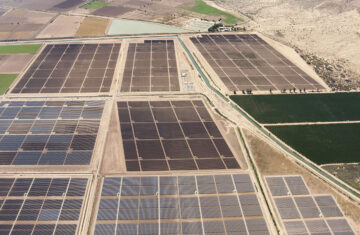
The Chestnut Solar Farm is a 150-megawatt (AC) facility developed by NextEra Energy Resources on private land in Kings County. The project’s entire output is sold to Pacific Gas and Electric (PG&E) under a long-term power purchase agreement, contributing directly to California’s mandate for 100% carbon-free electricity by 2045. According to data from the California Energy Commission (CEC), the facility generates enough electricity to power approximately 45,000 homes. This clean energy output displaces an estimated 210,000 metric tons of carbon dioxide emissions annually, supporting both grid reliability and air quality improvement in a region that has historically faced environmental challenges.
Development Timeline
The project’s development began with site selection and land acquisition in 2018. A key milestone was reached when the project was selected in PG&E’s renewable energy solicitation process, which was approved by the California Public Utilities Commission (CPUC). The development team successfully navigated the local permitting process with the Kings County Planning Department. Construction commenced in 2021, and the project achieved commercial operation in 2023.
Technology & Innovation
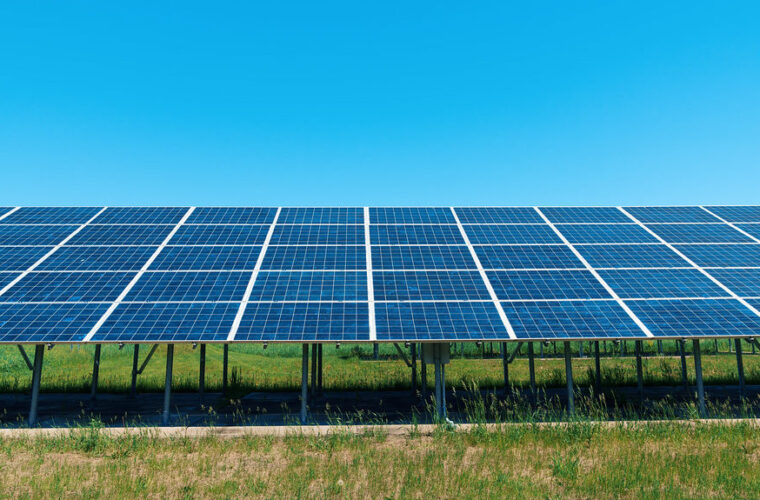
The Chestnut Solar Farm utilizes modern solar technology optimized for the Central Valley climate. The facility features single-axis tracking systems that follow the sun’s path from east to west, increasing energy production by approximately 20-25% compared to fixed-tilt systems. The project employs water-efficient design for panel cleaning, using automated systems that minimize water consumption—a critical consideration in California’s drought-prone environment. Advanced inverters provide essential grid support functions, helping to maintain voltage stability within the California Independent System Operator (CAISO) grid.
Challenges & Controversies
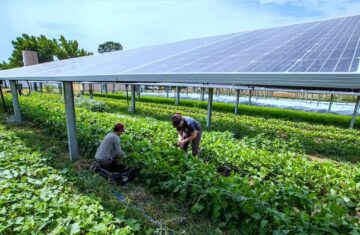
A significant challenge for the Chestnut Solar project involved addressing concerns about the conversion of agricultural land in a county known for its farming economy. Some stakeholders questioned the long-term impact on the county’s agricultural character and expressed concerns about visual impacts. The developer addressed these issues through a community engagement process and by designing the project to allow for agricultural compatibility. This includes maintaining drainage patterns and implementing a sheep-grazing program for vegetation management, which preserves the land’s agricultural character while generating clean energy.
Community & Economic Impact
The Chestnut Solar Farm provides substantial economic benefits to Kings County. During the construction phase, the project typically employed 300-400 workers, providing a significant temporary boost to the local economy. For long-term operations, it supports a permanent team of technicians for maintenance and monitoring. The project provides stable, long-term lease payments to local landowners, creating a drought-resistant revenue source that complements traditional farming income. Based on Kings County’s tax assessment models and California’s policies for renewable energy, the project likely contributes several hundred thousand dollars annually in property tax revenue to Kings County, directly benefiting local schools and public services.
Future Outlook
With an operational lifespan of 30+ years, the Chestnut Solar Farm represents a long-term commitment to Kings County’s economic and energy future. The project’s success demonstrates a viable model for integrating renewable energy development with agricultural land preservation. The site’s infrastructure has potential for future technological enhancements, including possible integration with battery energy storage systems (BESS) to extend its daily generation profile. As California continues to decarbonize its grid, the Chestnut Solar Farm will remain a key contributor to the state’s clean energy transition while supporting the economic resilience of the Central Valley.