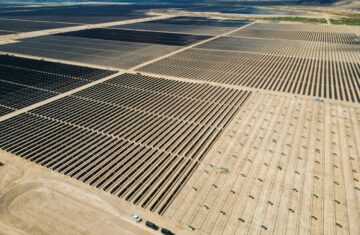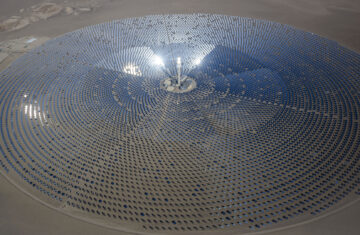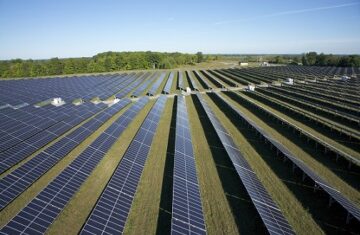

Blythe Solar 110 project represents a strategic development in California’s renewable energy expansion, demonstrating how optimized project sizing and technology selection can balance energy production with environmental stewardship in sensitive desert ecosystems. This project exemplifies the careful planning required for solar development in regions with both exceptional solar resources and significant ecological value.
Significance & Context
Developed by NextEra Energy Resources, the 110-megawatt (MW) Blythe Solar 110 facility contributes to California’s renewable energy goals while operating within the framework of the state’s Desert Renewable Energy Conservation Plan (DRECP). According to generation data from the California Energy Commission, the facility produces enough electricity to power approximately 40,000 homes, making it a meaningful contributor to the state’s clean energy supply. Its location in Riverside County, within the Colorado Desert, positions it to capitalize on some of the highest solar irradiance levels in North America while serving the Southern California Edison grid that powers the region’s population centers.
Development Timeline
The project’s development followed careful planning to address both environmental concerns and energy needs. Development activities began in 2017, with the project receiving approval from the Riverside County Board of Supervisors in 2019 after comprehensive environmental review. Construction commenced in 2020, achieving commercial operation in 2022, as documented in California Independent System Operator (CAISO) interconnection records. This timeline included extended consultation with environmental agencies and community stakeholders to ensure the project balanced renewable energy development with desert conservation priorities.
Technology & Innovation
Blythe Solar 110 utilizes single-axis tracking systems with monocrystalline silicon photovoltaic modules, optimized for the high-temperature desert environment. According to performance data from the National Renewable Energy Laboratory (NREL), the tracking technology increases energy production by approximately 20-25% compared to fixed-tilt systems. The project incorporates advanced inverters with reactive power capability, providing valuable voltage support to the local grid—a crucial feature in remote desert areas with long transmission lines. Water-free robotic cleaning systems and automated monitoring technology minimize environmental impact while maintaining optimal performance.
Challenges & Controversies
The project faced significant challenges related to environmental protection in the sensitive desert ecosystem. Conservation groups including the Colorado Desert Coalition raised concerns about impacts on desert tortoise habitat and wildlife corridors. The resolution involved implementing a comprehensive Habitat Conservation Plan developed with the California Department of Fish and Wildlife that included creating protected habitat areas, establishing wildlife corridors, and implementing a desert tortoise translocation program. The project also addressed water conservation concerns through completely water-free operations, using automated cleaning systems that employ air pressure and rotating brushes instead of water.
Community & Economic Impact
For Riverside County, particularly the eastern region where economic opportunities are limited, the project has delivered valuable benefits. During construction, the project typically employed 200-250 workers, with efforts to hire locally where possible. For ongoing operations, it maintains 8-10 permanent positions. Based on Riverside County’s tax assessment models for utility-scale solar, the project likely contributes approximately $800,000-$1 million annually in property tax revenue to local governments. Additionally, it provides stable lease payments to local landowners, creating a drought-resistant income source that complements other economic activities in the region.
Future Outlook
With an expected operational lifespan of 30+ years, the Blythe Solar 110 project represents a long-term commitment to both clean energy and desert conservation. The project’s success in balancing energy development with environmental protection provides a model for future solar projects in sensitive ecosystems. As technology advances, the site may eventually be repowered with more efficient panels or potentially integrated with energy storage systems to enhance its value to the grid. The project’s environmental monitoring programs continue to provide valuable data for improving desert conservation strategies, while its operational experience contributes to best practices for renewable energy development in ecologically sensitive regions throughout the American Southwest.