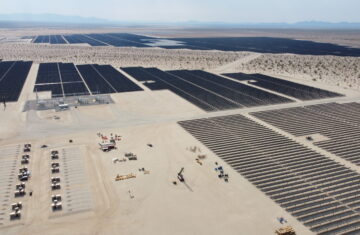
In the evolving energy landscape of the Midwest, the Hardin Solar Energy II project in Ohio represents a significant step in the state’s diversification beyond its traditional reliance on coal and natural gas. As one of the larger utility-scale solar facilities in the state, it underscores a pivotal shift toward renewable energy driven by economic competitiveness and corporate demand. This project not only contributes clean power to the grid but also serves as a model for how solar development can integrate with and benefit rural communities, providing a new source of revenue for landowners and local governments alike.
Significance & Context
The Hardin Solar Energy II project is a key component of Ohio’s emerging solar industry, contributing to the state’s goal of fostering a diverse energy portfolio. Its development is largely driven by the demand from large corporate entities seeking to power their operations with clean energy, often through Power Purchase Agreements (PPAs). By generating electricity without air emissions, the project helps offset the environmental impact of Ohio’s power sector, which is heavily dependent on fossil fuels. The project interconnects with the PJM Interconnection grid, the regional transmission organization that manages the electrical grid in all or parts of 13 states, including Ohio, enhancing regional reliability.
Development Timeline
The development of Hardin Solar Energy II began in the early 2020s, following the passage of state policies that created a more favorable environment for renewable energy. Key milestones included securing land options from multiple landowners, obtaining necessary permits from the Ohio Power Siting Board (OPSB), and finalizing a power purchase agreement. Construction commenced in 2023, creating a flurry of local activity, and the project is scheduled to achieve commercial operation in 2025, following a multi-year development and construction process.
Technology & Innovation
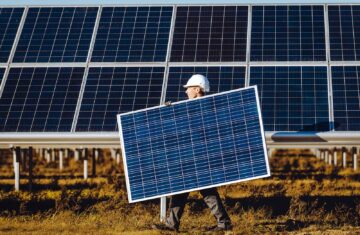
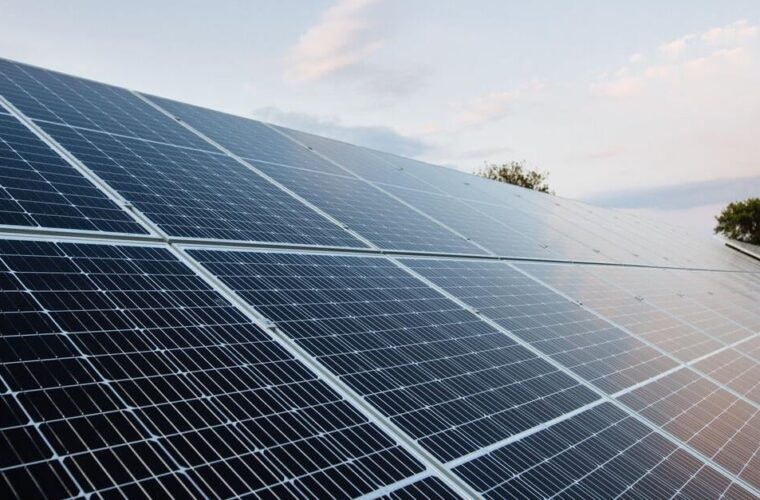
Hardin Solar Energy II utilizes contemporary solar technology suited for Ohio’s climate. The project features high-efficiency photovoltaic panels mounted on single-axis tracking systems that follow the sun, maximizing energy production throughout the day. A key aspect of the project’s design is its focus on agrivoltaics—the co-location of solar energy production and agriculture. This may include maintaining pollinator habitats or allowing for sheep grazing beneath the panels, supporting local ecosystems and farming practices. This approach is supported by research from institutions like The Ohio State University College of Food, Agricultural, and Environmental Sciences.
Challenges & Controversies
A significant challenge for Hardin Solar Energy II was navigating local opposition and zoning concerns. As with many large-scale solar projects in rural areas, some community members expressed apprehension about the change in land use, visual impact, and potential effects on property values. The developers addressed these concerns through a prolonged and transparent community engagement process, including public meetings and detailed site plans. They worked closely with county officials to ensure the project complied with all regulations and emphasized the long-term economic benefits, which helped to build acceptance and secure the necessary approvals from the Ohio Power Siting Board.
Community & Economic Impact
For Hardin County, the project delivers substantial economic benefits. During the peak construction phase, Hardin Solar Energy II typically employs several hundred workers, providing a significant boost to local businesses. While the number of permanent operations and maintenance jobs is smaller, they represent long-term, skilled positions. The project likely contributes a major increase in property tax revenue over its lifetime, which can be used to fund local schools, emergency services, and infrastructure—a fiscal impact often highlighted by Ohio’s County Commissioners Association. Landowners who lease their land receive a stable, drought-resistant source of income for decades.
Future Outlook
The completion of Hardin Solar Energy II will solidify Ohio’s position as a growing market for solar energy in the Midwest. Its success is likely to pave the way for additional phases or similar projects across the state. As battery storage technology becomes more cost-effective, the site has the potential for future augmentation, allowing it to store solar energy for use during peak evening hours. The project exemplifies a broader trend in the region, where solar power is increasingly recognized as a reliable and economically beneficial resource for rural communities and the overall grid.