In the heart of Tennessee’s traditionally fossil-fuel-dependent power landscape, the Elora Solar Farm emerges as a bellwether for the state’s quiet but steady clean energy transition. Developed not for a coastal tech giant but for the Tennessee Valley Authority (TVA), the project signals a fundamental shift in how electricity is sourced for the region’s homes and businesses. By harnessing the state’s ample solar resources, Elora Solar represents a significant step toward diversifying the energy mix, enhancing grid resilience, and meeting the growing demand for renewable power from both consumers and major industries locating in the region.
Significance & Context
The Elora Solar Farm‘s significance is deeply tied to its offtaker: the Tennessee Valley Authority (TVA), the nation’s largest public power provider. The project is a direct contributor to TVA’s stated goal of adding 10,000 megawatts of solar capacity by 2035, as outlined in its Integrated Resource Plan. Located in a state with no renewable portfolio mandate, the farm’s development is driven by economic competitiveness and customer demand rather than policy, marking a pivotal market-driven evolution. It displaces generation that would otherwise come from TVA’s existing fleet of natural gas and coal plants, directly reducing the carbon footprint of one of the country’s most critical utility systems.
Development Timeline
The project’s development followed a path shaped by utility-scale planning. Initial site selection and land acquisition in Elora began around 2019, focusing on properties suitable for large-scale development. A key milestone was the successful bidding and execution of a power purchase agreement (PPA) with TVA, a competitive process detailed in the authority’s annual procurement reports. Following regulatory approvals, construction kicked off in 2022, with the project overcoming global supply chain delays to achieve commercial operation and begin delivering power to the grid in 2024.
Technology & Innovation
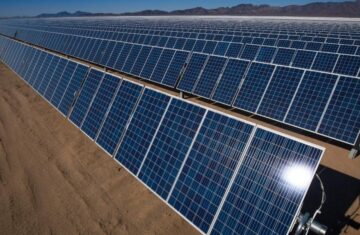
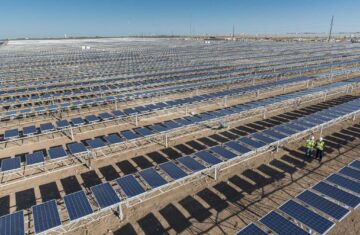
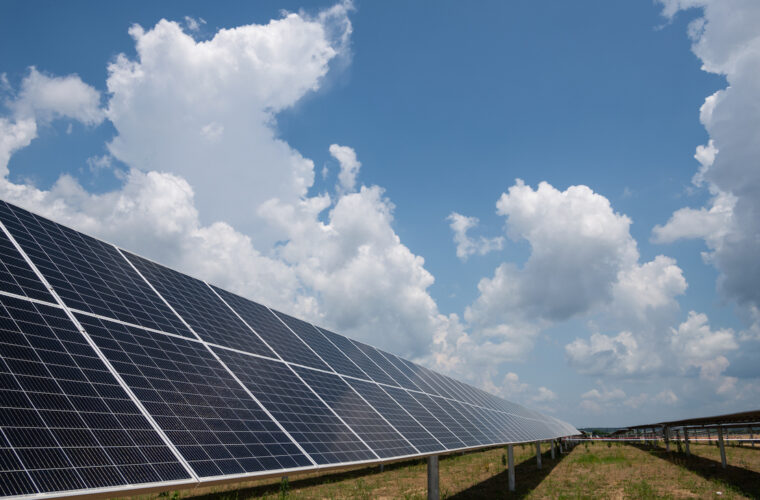
While not a hybrid facility, the Elora Solar Farm employs highly efficient, industry-standard technology optimized for the region. It features modern monocrystalline photovoltaic panels mounted on single-axis tracking systems, which follow the sun to maximize energy production throughout the day. The project’s design prioritizes reliability and integration into the TVA grid, utilizing advanced inverters that provide essential grid services like voltage stability. The technological specifications and performance data align with benchmarks published by the National Renewable Energy Laboratory (NREL) for similar installations in the Southeastern United States.
Challenges & Controversies
A primary challenge for the Elora Solar Farm involved navigating local land-use perceptions and ensuring minimal environmental disruption. Some community members expressed concerns about the change in land use from agriculture or forestry to industrial solar, a topic frequently covered by outlets like the Tennessee Lookout. The developers addressed these concerns through public meetings and by implementing a comprehensive environmental management plan. This included detailed stormwater runoff controls, commitments to pollinator-friendly vegetation under the panels, and assurances that the land could easily be returned to its original state after the project’s lifespan, helping to build local acceptance.
Community & Economic Impact
The Elora Solar Farm provides a tangible economic benefit to its local community. During the peak of construction, a project of this scale typically employs over 200 workers, providing a temporary but significant boost to local businesses. While permanent operational roles are fewer, they create long-term, skilled jobs for maintenance and monitoring. For the county government, the solar farm likely contributes a substantial and predictable stream of property tax revenue, supporting local schools and public services—a fiscal impact often analyzed by the University of Tennessee Institute of Agriculture. Landowners who lease their property benefit from a new, stable source of income that provides financial security without selling their land.
Future Outlook
The completion of the Elora Solar Farm solidifies solar power as a mainstream energy source within the TVA system. Its successful integration provides a blueprint for the dozens of similar projects needed to meet TVA’s decarbonization targets. Looking ahead, the site has the potential for future expansion or, as storage technology becomes more cost-effective, the addition of a battery energy storage system to shift solar power into the evening hours. The project underscores a broader trend in the Southeast, where utilities are increasingly turning to solar as a low-cost, reliable resource, a shift documented by the U.S. Energy Information Administration.
There is also at USA: Assembly Solar II