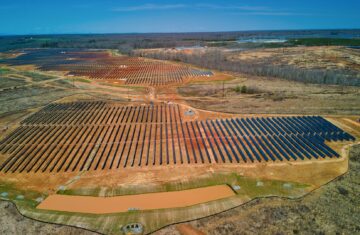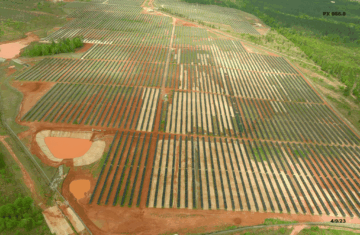

Straddling the California-Nevada border in the Mojave Desert, the Stateline Solar project represents a unique binational approach to renewable energy development, demonstrating how cross-state collaboration can optimize resource sharing and maximize grid benefits while addressing complex jurisdictional challenges. This project exemplifies how strategic siting near state boundaries can serve multiple markets and enhance regional grid reliability through diversified energy delivery.
Significance & Context
Developed by 8minute Solar Energy, the 300-megawatt (MW) Stateline Solar facility strategically positions itself to serve both California and Nevada energy markets. According to generation data from the California Energy Commission, the facility produces enough electricity to power approximately 90,000 homes, with its output divided between NV Energy and Southern California Edison through separate power purchase agreements. Its location in San Bernardino County, immediately adjacent to the Nevada state line, allows it to leverage transmission infrastructure serving both states while capitalizing on the Mojave Desert’s exceptional solar resources.
Development Timeline
The project’s development navigated the complexities of two state regulatory environments. Development activities began in 2015, with construction commencing in 2018 following approvals from both the California Energy Commission and the Nevada Public Utilities Commission. The project achieved commercial operation in 2020, as documented in Western Electricity Coordinating Council (WECC) reliability reports. This extended timeline reflected the additional coordination required for projects affecting multiple state jurisdictions and grid systems.
Technology & Innovation
Stateline Solar utilizes single-axis tracking systems with bifacial photovoltaic modules, capturing reflected light from the desert floor to increase energy yield. According to performance data from the National Renewable Energy Laboratory (NREL), this technology combination can increase energy production by 10-15% compared to conventional single-sided panels. The project incorporates advanced power electronics that allow it to dynamically allocate output between California and Nevada grids based on real-time market conditions and system needs, representing a significant innovation in cross-border energy trading and grid optimization.
Challenges & Controversies
The project faced significant challenges related to its cross-jurisdictional nature and environmental impacts. Regulatory complexity arose from complying with both California’s Desert Renewable Energy Conservation Plan (DRECP) and Nevada’s renewable energy regulations. Environmental groups including the Mojave Desert Land Trust raised concerns about impacts on desert tortoise habitat and migratory corridors. The resolution involved developing a comprehensive Habitat Conservation Plan approved by both state wildlife agencies and the U.S. Fish and Wildlife Service, which included creating 2,000 acres of protected habitat and implementing a desert tortoise translocation program. The project also used elevated mounting systems to maintain wildlife movement corridors.
Community & Economic Impact
For San Bernardino County, the project has delivered economic benefits while addressing cross-border considerations. During construction, the project typically employed 350-450 workers, with hiring programs extending to both California and Nevada residents. For ongoing operations, it maintains 15-20 permanent positions. Based on San Bernardino County’s tax assessment models, the project likely contributes approximately $1.8-2.2 million annually in property tax revenue to local governments. Additionally, it provides lease payments to multiple landowners on both sides of the state border, creating economic benefits that extend across state lines while supporting the local economy in both regions.
Future Outlook
With an expected operational lifespan of 30+ years, the Stateline Solar project serves as a model for future cross-border renewable energy development. The project’s success in navigating complex regulatory environments has established valuable precedents for similar developments along state boundaries. As Western states continue to integrate their grid systems through initiatives like the Western Energy Imbalance Market, the project’s ability to serve multiple markets positions it advantageously for evolving energy market structures. The project’s innovative approach to cross-jurisdictional development and environmental stewardship provides a template for how renewable energy can transcend political boundaries to maximize regional benefits while minimizing environmental impacts.