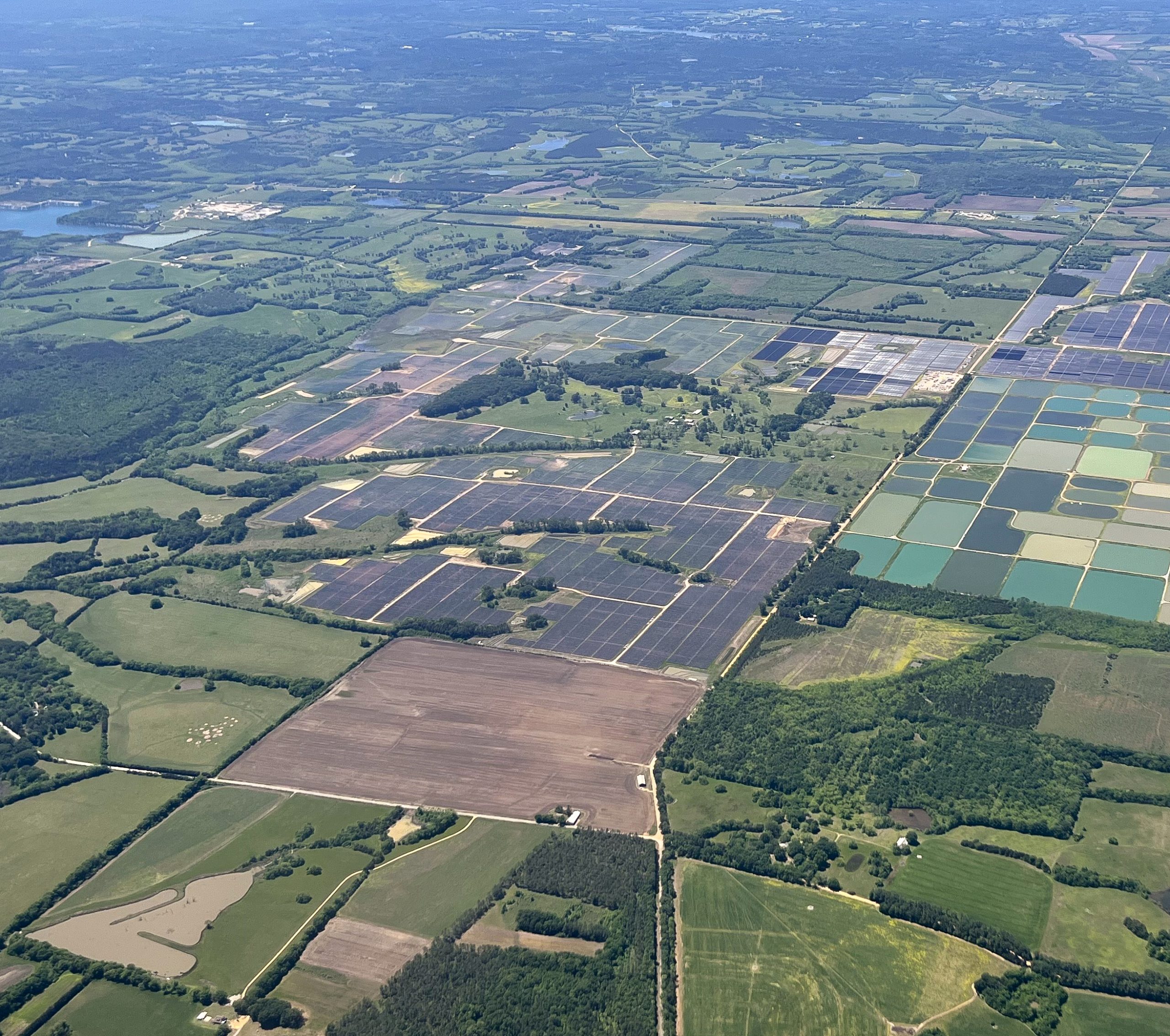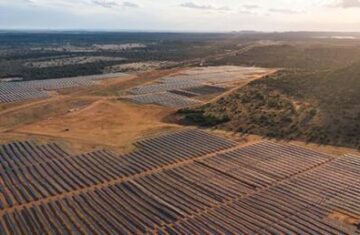

In the heart of Texas, a state long synonymous with fossil fuels, a new energy giant is rising, not from an oil field, but from the sun. The True North Solar project represents a monumental shift in the energy landscape, signaling Texas’s burgeoning role as a national leader in renewable power. As one of the largest solar facilities under development in the United States, its scale underscores the economic viability and strategic importance of solar energy in meeting the demands of a growing grid and a decarbonizing economy.
Significance & Context
The True North Solar project is being developed on a massive scale, with a planned capacity of over 450 megawatts (MW). This positions it not merely as another solar farm, but as a critical infrastructure asset. For Texas, a state with an independent power grid managed by the Electric Reliability Council of Texas (ERCOT), adding this volume of generation enhances grid reliability and diversity. The project directly supports the state’s remarkable, market-driven transition to renewables, a trend documented in the most recent ERCOT Capacity, Demand and Reserves (CDR) Report. Once operational, its output will be sufficient to power approximately 90,000 homes, fundamentally altering the energy mix in its region.
Development Timeline
The development of a project of this magnitude is a multi-year endeavor. The initial land acquisition and permitting phases for True North Solar began in the early 2020s, involving meticulous site selection and securing interconnection agreements. Its official status and queue position can be viewed in the public ERCOT Generation Interconnection Queue. The project is slated to move into its primary construction phase in 2024, with an anticipated commercial operation date set for 2025 or 2026.
Technology & Innovation
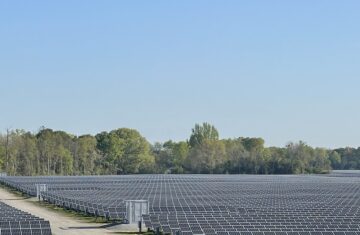
True North Solar leverages state-of-the-art photovoltaic (PV) technology to maximize efficiency and reliability. The project will utilize single-axis tracking systems, which allow the panels to follow the sun’s path across the sky. This technology, profiled by the National Renewable Energy Laboratory (NREL) for its ability to increase energy production by up to 25%, ensures optimal output. Furthermore, the facility is designed with advanced inverters for stable grid integration.
Challenges & Controversies
No infrastructure project of this scale is without its hurdles. A primary challenge for True North Solar was navigating the complex web of local permitting and environmental regulations. The developers addressed this by conducting thorough environmental impact studies, a process outlined by the Texas Commission on Environmental Quality (TCEQ). Mitigation strategies, such as implementing responsible water management plans during construction and studying potential impacts on local wildlife, were integral to securing project approvals and maintaining social license.
Community & Economic Impact
The local economic impact of True North Solar is substantial. During the peak construction phase, the project typically employs several hundred workers. Once operational, it will create permanent, high-skilled jobs for operations and maintenance. For local governments and school districts, the project likely contributes a significant and long-term source of tax revenue. The broader economic benefits of such projects are detailed in reports from the Solar Energy Industries Association (SEIA). Additionally, landowners who have leased their land receive a stable, drought-resistant source of income.
Future Outlook
The completion of True North Solar will not be the end of its story, but a beginning. It establishes a formidable new source of clean power for decades to come. As battery storage costs decline, there is also potential for True North Solar to be coupled with energy storage in the future, a trend tracked by the U.S. Energy Information Administration (EIA). This would allow it to supply power after sunset, providing even greater value and stability to the ERCOT grid.
Find also at Texas: Brazoria County Solar Project (Danciger)