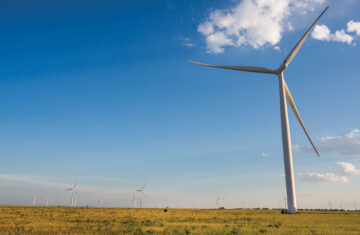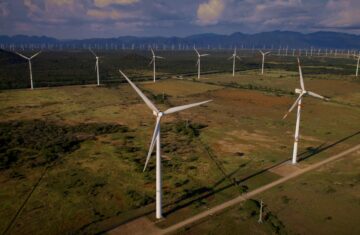
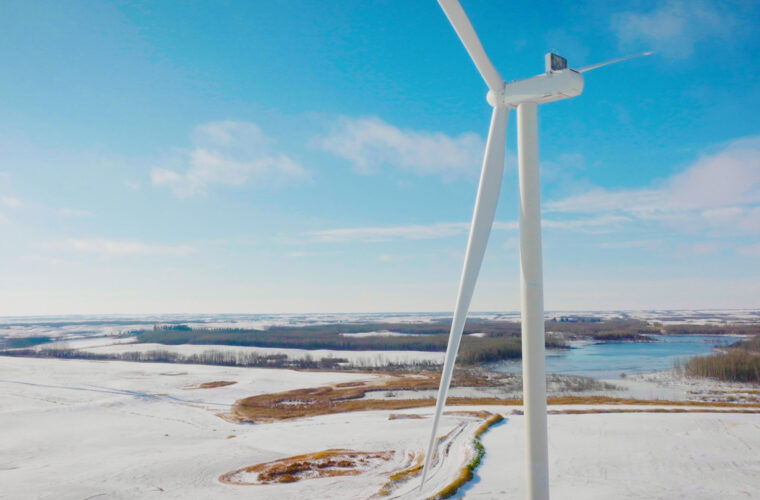
Sterling County, Texas, Panther Creek Wind Farm Three represents the strategic expansion of a proven energy-generating region. As a sequential phase of a larger wind complex, this project highlights the efficiency and scalability of wind development in West Texas, where established infrastructure and favorable resources enable the continued growth of low-cost, reliable renewable power for the state’s demanding grid.
Significance & Context
Panther Creek Wind Farm Three, developed by EDF Renewables, is a significant phase within the broader Panther Creek wind energy area. With an installed capacity of 154.6 megawatts (MW), this phase contributes enough electricity to power approximately 50,000 Texas homes annually, based on calculations from the U.S. Energy Information Administration (EIA). Its output is fully integrated into the Electric Reliability Council of Texas (ERCOT) grid, reinforcing the critical mass of wind generation in West Texas, a key region analyzed by the University of Texas at Austin Energy Institute.
Development Timeline
The development of this phase capitalized on the success of its predecessors. Following the operation of earlier phases, development for Panther Creek Wind Farm Three progressed in the late 2010s. After securing agreements and permits, construction commenced. The project reached commercial operation in 2020, a date confirmed by its listing in the U.S. Wind Turbine Database and industry reports.
Technology & Innovation
This phase utilizes modern, high-capacity turbines, featuring 47 Siemens Gamesa wind turbines. As a later-phase project, it benefited from technological improvements, resulting in a higher capacity factor. The use of advanced computational fluid dynamics (CFD) models for layout optimization is a standard industry practice supported by research from the National Renewable Energy Laboratory (NREL).
Challenges & Controversies
A key challenge was optimizing the project layout and turbine placement within a landscape already occupied by earlier phases. This required careful siting to minimize wake interference. The hurdle was resolved through advanced wind flow modeling and collaborative site planning with landowners and county officials, adhering to guidelines from the Sterling County government.
Community & Economic Impact
For Sterling County, the expansion extends long-term economic benefits. During its construction, Panther Creek Wind Farm Three typically employed 200-300 workers, according to industry models from the American Clean Power Association. Its operation adds to the substantial stream of property tax revenue that supports county services, as detailed in Sterling County financial documents. Critically, it expands the number of landowners receiving reliable annual lease payments, a benefit for the rural economy supported by Texas A&M AgriLife Extension.
Future Outlook
As part of a multi-phase complex, Panther Creek Wind Farm Three is integrated into a long-term operational strategy. The cumulative scale of the Panther Creek area makes it a strong future candidate for holistic repowering efforts, a strategy analyzed in NREL reports on wind plant modernization. This would dramatically boost the entire site’s output, aligning with ERCOT’s future grid needs as outlined in ERCOT’s Long-Term System Assessments and ensuring the region’s continued role in Texas’s energy portfolio.
At Ector County you can find also: Notrees Windpower Hybrid