Milford Wind Corridor represents a monumental feat of engineering and strategic development that fundamentally transformed the state’s energy landscape. As one of the largest wind projects in the American West upon completion, it unlocked Utah’s vast wind potential, established a major new transmission pathway, and positioned the state as a significant exporter of clean energy to the burgeoning markets of the Southwest.
Significance & Context
The Milford Wind Corridor, developed by First Wind (now part of Brookfield Renewable), is a cornerstone of renewable energy in Utah. Constructed in multiple stages, the project’s total capacity reached 306 megawatts (MW), generating enough electricity to power over 90,000 homes annually, based on calculations from the U.S. Energy Information Administration (EIA). Its development was paired with the Milford Wind Transmission Line, a dedicated 160-mile line that connected this remote area to the grid, making it a critical power supplier for the Desert Southwest region, feeding into the California Independent System Operator (CAISO) and NV Energy grids, a contribution tracked by the Utah Office of Energy Development.
Development Timeline
The project was a landmark endeavor that progressed through ambitious phases. Initial development began in the mid-2000s. Securing rights-of-way for the new transmission line and project permits extended over several years. Construction commenced in the late 2000s, with the entire corridor achieving full commercial operation between 2010 and 2011, a timeline confirmed by its listing in the U.S. Wind Turbine Database and coverage from the Salt Lake Tribune.
Technology & Innovation
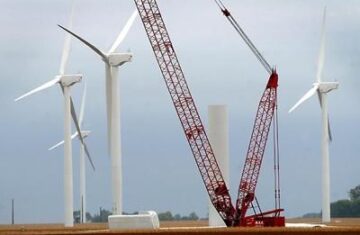
The project utilized 258 GE Wind Energy 1.5 MW turbines. The true innovation lay in the holistic integration of generation and transmission. Building the wind farm and its dedicated high-voltage line together was a pioneering “gen-tie” model for wind energy in the West at this scale, a strategy now recognized as critical for remote resources and studied by the National Renewable Energy Laboratory (NREL).
Challenges & Controversies
The most formidable challenge was the immense logistical, financial, and regulatory complexity of building the new transmission line across 160 miles of federally managed land. Securing permits from the Bureau of Land Management (BLM) and addressing environmental concerns were major hurdles. This was resolved through a lengthy BLM permitting process, which included comprehensive environmental impact statements accessible through the BLM’s NEPA register. The financial hurdle was justified by off-take agreements with utilities.
Community & Economic Impact
For Beaver County, the project delivered an unprecedented economic transformation. During multi-year construction peaks, the project typically employed over 400 workers, according to industry models from the American Clean Power Association. Its permanent legacy is a massive, long-term stream of property tax revenue, which revolutionized the county’s budget, as detailed in Beaver County financial records. Additionally, it provides significant annual lease payments to participating landowners, a benefit for the high desert economy supported by Utah State University Extension.
Future Outlook
As a mature asset, the Milford Wind Corridor continues to be a major power supplier. Its dedicated transmission line remains valuable infrastructure. Given the age of its turbines, the site is a prime candidate for future repowering, a strategy analyzed in NREL reports on wind plant modernization. Replacing the turbines with modern models could potentially double the site’s output, extending its economic life for decades within the Western Electricity Coordinating Council (WECC) grid and aligning with regional decarbonization goals.
At Pierce County you can find also: Rugby Wind Power Project