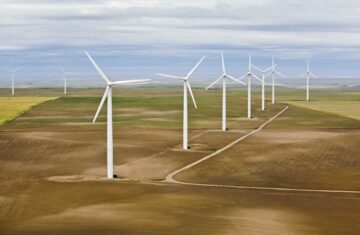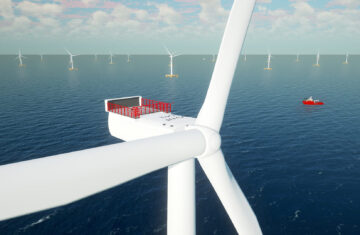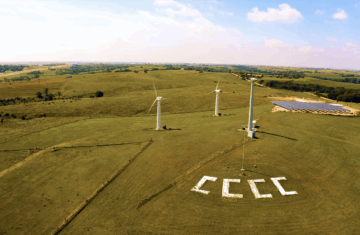
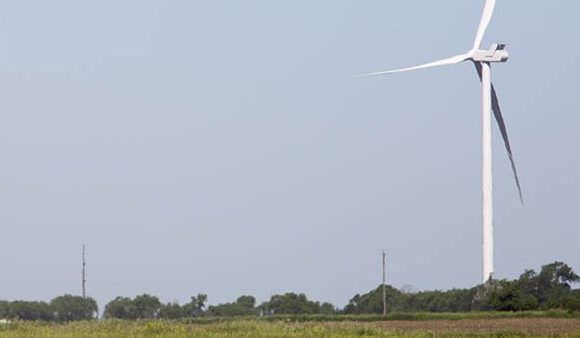
Grand Meadow Wind Farm stands as a monumental testament to the state’s pioneering leadership in utility-scale renewable energy. As one of the largest wind projects in the Upper Midwest when constructed, it not only proved the commercial viability of harnessing the region’s wind resources at a massive scale but also established a transformative economic and regulatory blueprint for integrating wind energy into the rural fabric of America’s heartland.
Significance & Context
The Grand Meadow Wind Farm, initially developed by Navitas Energy and now owned and operated by EDF Renewables, occupies a foundational place in Minnesota’s energy history. With a substantial installed capacity of 201.25 megawatts (MW), the facility generates enough clean electricity to power approximately 60,000 Minnesota homes annually, according to generation-to-homes calculations from the U.S. Energy Information Administration (EIA).
When it came online, this output represented a quantum leap for the state’s renewable portfolio, directly supporting the ambitious targets of Minnesota’s Renewable Energy Standard. The project’s power flows into the Midcontinent Independent System Operator (MISO) grid, a critical regional market, and its scale demonstrated to utilities and policymakers that wind could reliably contribute baseload-level power, a concept detailed in analyses by the University of Minnesota’s Energy Transition Lab. This helped shift wind power from a niche alternative to a mainstream energy source in the regional strategy.
Development Timeline
The development of Grand Meadow Wind Farm captured a pivotal moment in the Midwest’s energy transition during the late 2000s. Initial site prospecting, wind resource assessment, and the complex process of securing land leases from dozens of local landowners began in the early 2000s. A critical milestone was securing a long-term power purchase agreement (PPA) with Xcel Energy,
Minnesota’s largest utility, which provided the revenue certainty needed to finance the project. Following state and county permitting approvals, the immense construction phase commenced in 2007. The project was completed and achieved commercial operation in 2008, a timeline confirmed by its entry in the comprehensive U.S. Wind Turbine Database, managed by the U.S. Geological Survey. This rapid deployment for a project of its size signaled a new era of industrial-scale renewable development.
Technology & Innovation
For its commissioning period, Grand Meadow was at the technological forefront, utilizing a mixed fleet of some of the largest turbines available. The wind farm is composed of 67 GE Wind Energy 1.5 MW turbines and 44 Siemens 2.3 MW turbines. This dual-supplier strategy was somewhat innovative, allowing the developer to mitigate supply chain risk and compare the performance of two leading technologies in identical conditions.
The widespread use of the 2.3 MW Siemens model, in particular, pushed the envelope for turbine size in the Midwest at that time. The project’s layout and electrical collection system design set standards for minimizing energy losses across large geographical areas, practices that have since been refined and documented in research by the National Renewable Energy Laboratory (NREL) on optimizing wind plant performance.
Challenges & Controversies
A paramount challenge was navigating the unprecedented scale of local coordination and public acceptance for a project affecting hundreds of landowners and multiple townships. Unlike smaller earlier projects, Grand Meadow’s footprint was vast, raising concentrated concerns about visual impact, land use, and the sheer number of turbines. This hurdle was resolved through an exceptionally transparent and prolonged community engagement process.
Developers held countless open houses, provided detailed project maps and impact studies, and worked directly with county officials to tailor the project to local ordinances. The establishment of clear decommissioning plans and the tangible promise of long-term lease revenue were crucial in building trust. Ultimately, the project’s approval by the Mower County Board of Commissioners set a precedent for how large-scale wind could be responsibly sited, with agreements and permits accessible through the Mower County government portal.
Community & Economic Impact
For Mower County, the economic impact of Grand Meadow Wind Farm has been profound and enduring, creating a multi-decade model for rural revitalization. During its peak construction, the project typically employed over 300 skilled and local workers, according to job creation models from the American Clean Power Association, providing a massive but temporary boost to local businesses, hotels, and services. Its permanent legacy, however, is the transformative and predictable stream of property tax revenue it generates.
This revenue, amounting to millions of dollars annually, is detailed in Mower County budget documents and has become a cornerstone for funding public schools, maintaining rural roads, and supporting emergency services, often allowing for property tax relief for other residents. Furthermore, it provides guaranteed, long-term lease payments to participating farmers, creating a drought-resistant “cash crop” that provides financial stability, helps keep families on their land, and diversifies the agricultural economy—a benefit widely recognized by the University of Minnesota Extension.
Future Outlook
Now a mature asset, the Grand Meadow Wind Farm is a reliable workhorse in the MISO fleet, but its story is far from over. Given its age, the project is now a prime candidate for repowering, a strategic process analyzed in depth by NREL. Repowering would involve replacing the original turbines with modern units that are significantly taller and more efficient, potentially doubling or tripling the site’s energy output on the same land footprint.
This would trigger a new cycle of construction jobs, refreshed long-term tax revenue, and updated lease agreements for landowners. Such an investment would seamlessly align with Minnesota’s escalating clean energy goals, such as those outlined in the Minnesota Climate Action Framework, and ensure that Grand Meadow remains a vital economic engine and energy provider for Mower County for another quarter-century, solidifying its legacy as a true pioneer.
At Nolan County you can find also: Inadale Wind Farm