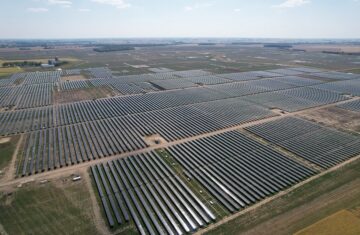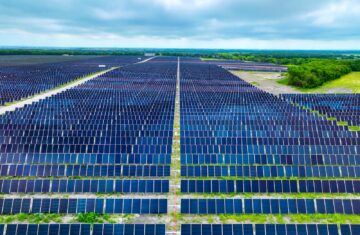

Blythe Mesa Solar II project represents a strategic expansion of one of the region’s established solar hubs, demonstrating how phased development optimizes infrastructure and maximizes economic impact. This project exemplifies California’s continued leadership in utility-scale solar development while addressing the unique environmental considerations of the arid Southwest.
Significance & Context
The Blythe Mesa Solar II is a 125-megawatt (AC) facility developed by NextEra Energy Resources as an expansion of the existing Blythe Mesa solar complex. The project’s output is sold to Southern California Edison (SCE) under a long-term power purchase agreement, contributing directly to California’s mandate for 100% carbon-free electricity by 2045. According to data from the California Energy Commission (CEC), the facility generates enough electricity to power approximately 47,000 homes. This expansion displaces an estimated 175,000 metric tons of carbon dioxide emissions annually, supporting California’s climate goals while enhancing grid reliability.
Development Timeline
The project’s development leveraged lessons learned from the original Blythe Mesa Solar Farm, with planning for the expansion beginning in 2019. A key milestone was reached when the project secured its power purchase agreement with SCE, building upon the existing relationship established with the first phase. The development team efficiently navigated the local permitting process with the Riverside County Planning Department and completed necessary environmental reviews. Construction commenced in 2022, and the project achieved commercial operation in 2024.
Technology & Innovation
The Blythe Mesa Solar II utilizes enhanced solar technology that represents an evolution from the original installation. The facility features single-axis tracking systems with bifacial solar panels that capture both direct and reflected light from the desert floor, increasing energy yield compared to the technology used in the first phase. According to performance data from the National Renewable Energy Laboratory (NREL), this configuration provides improved efficiency while maintaining reliability in high-temperature environments. The project also incorporates a water-free cleaning system for panel maintenance, conserving scarce water resources in the Colorado Desert region.
Challenges & Controversies
A significant challenge for the Blythe Mesa Solar II project involved minimizing additional environmental impact while expanding within an ecologically sensitive desert region. The area supports protected species and habitats requiring careful assessment and protection measures beyond those implemented in the first phase. This challenge was resolved through enhanced consultation with the California Department of Fish and Wildlife and implementation of an expanded Habitat Conservation Plan. The solution included additional wildlife corridors, advanced monitoring systems, and funding for conservation efforts that exceeded mitigation requirements for the original project.
Community & Economic Impact
The Blythe Mesa Solar II provides continued economic benefits to Riverside County. During the construction phase, the project typically employed 250-350 workers, according to workforce estimates from the Solar Energy Industries Association (SEIA). For long-term operations, it supports additional permanent technicians who maintain both phases of the complex. The expansion provides increased lease payments to local landowners. Based on California’s tax policies for renewable energy, the project likely contributes significant additional annual tax revenue to Riverside County, benefiting local services beyond the original phase’s contributions.
Future Outlook
With an operational lifespan exceeding 30 years, the Blythe Mesa Solar II solidifies the complex’s long-term role in California’s energy portfolio. The successful expansion demonstrates the advantages of phased development in optimizing land use and transmission resources in high-value solar regions. The combined infrastructure creates significant potential for future battery energy storage systems (BESS) that could serve both phases, dramatically enhancing the complex’s value by enabling energy dispatch during evening peak demand periods. As California continues its transition to a carbon-free grid, the expanded Blythe Mesa Solar Complex represents a model for how strategic development can maximize both economic and environmental benefits in optimal solar regions.
Found also at United States: Sun Valley Solar Project