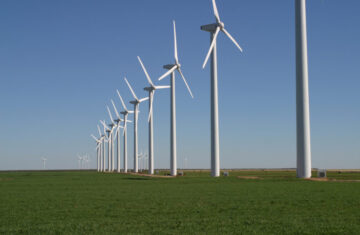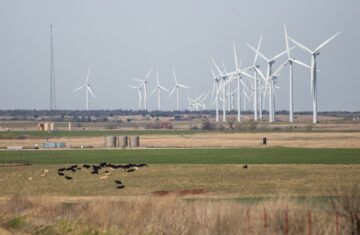
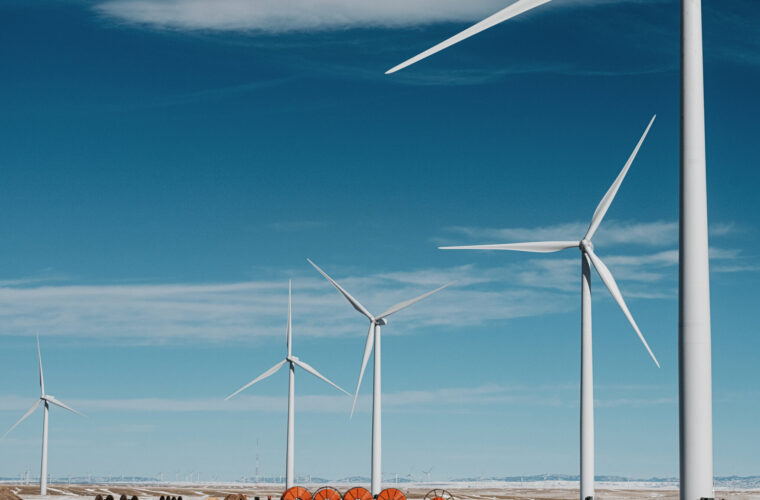
Rising from the agricultural plains of Mitchell County, Kansas, the Loraine Windpark represents a substantial investment in the state’s renewable energy leadership. This project exemplifies the efficient, utility-scale model of wind development that has made the Midwest a powerhouse for clean electricity, directly contributing to regional decarbonization goals while establishing a predictable and significant economic foundation for its rural host community.
Significance & Context
The Loraine Windpark, developed by EDF Renewables North America, is a major contributor to Kansas’s robust wind energy portfolio and the broader Southwest Power Pool (SPP) grid. With a total installed capacity of 132 megawatts (MW), the facility generates enough electricity to power approximately 50,000 Kansas homes annually, based on U.S. Energy Information Administration (EIA) calculations. Its output is delivered under a long-term power purchase agreement to Evergy, Kansas’s largest electric utility, directly supporting the utility’s clean energy transition. Located in the heart of one of the nation’s premier wind resource regions, the project reinforces Kansas’s role as a critical supplier of low-cost, carbon-free power to the central United States.
Development Timeline
The project’s development progressed during a period of strong growth for Kansas wind. Initial development and land acquisition in Mitchell County began in the mid-2010s. After navigating local county permitting and securing its power purchase agreement, construction commenced. The Loraine Windpark was built efficiently and achieved commercial operation in 2019, rapidly moving from construction to a key generating asset in Evergy’s resource mix.
Technology & Innovation
The project utilizes modern, high-capacity turbines designed for optimal performance in the Great Plains wind regime. It features 58 Siemens Gamesa wind turbines in the 2.3-2.4 MW class. A key focus of the engineering was optimizing the turbine layout to maximize energy production across the site’s agricultural landscape while ensuring minimal disruption to farming operations. The project incorporates advanced monitoring and diagnostic systems to ensure high reliability and performance, feeding operational data into centralized control centers for proactive maintenance.
Challenges & Controversies
A notable challenge during development was addressing the specific concerns of local landowners and county officials regarding the project’s integration into a community with deep agricultural roots. Issues such as visual impact, road use agreements during construction, and long-term land use compatibility required careful negotiation. This hurdle was resolved through a transparent and structured county approval process. EDF Renewables engaged in extensive public outreach, provided detailed site plans and economic impact studies, and worked within the framework established by the Mitchell County Commission. The commission’s approval of the necessary conditional use permits was based on the project’s adherence to county regulations, its commitment to mitigating local impacts, and the clear demonstration of substantial long-term economic benefits for the county.
Community & Economic Impact
For Mitchell County, the windpark delivers meaningful and sustained economic benefits. During its peak construction phase, the project typically employed 200-300 workers, according to American Clean Power Association industry models, providing a significant but temporary boost to local businesses and services. Its long-term impact is anchored by the generation of millions of dollars in annual property tax revenue, which provides vital funding for Mitchell County’s public schools, road maintenance, emergency services, and other essential community infrastructure. Furthermore, it provides guaranteed annual lease payments to participating farmers and ranchers, creating a stable, drought-resistant source of supplemental income that strengthens the financial resilience of the area’s agricultural economy, a benefit supported by Kansas State University Research and Extension.
Future Outlook
As a relatively new facility utilizing reliable technology, the Loraine Windpark is positioned for decades of stable operation within Evergy’s generation fleet. Its success adds to the critical mass of wind generation in north-central Kansas. Given its modern turbine technology, repowering is a consideration for the distant future. The site’s established infrastructure and interconnection could eventually support potential hybridization with solar generation or battery storage, creating a more flexible and valuable clean energy resource. This aligns with evolving SPP market needs and Kansas’s ongoing commitment to a diversified energy portfolio, ensuring the project’s continued role in the state’s energy economy.