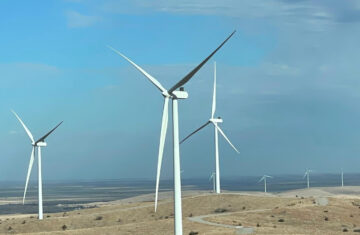
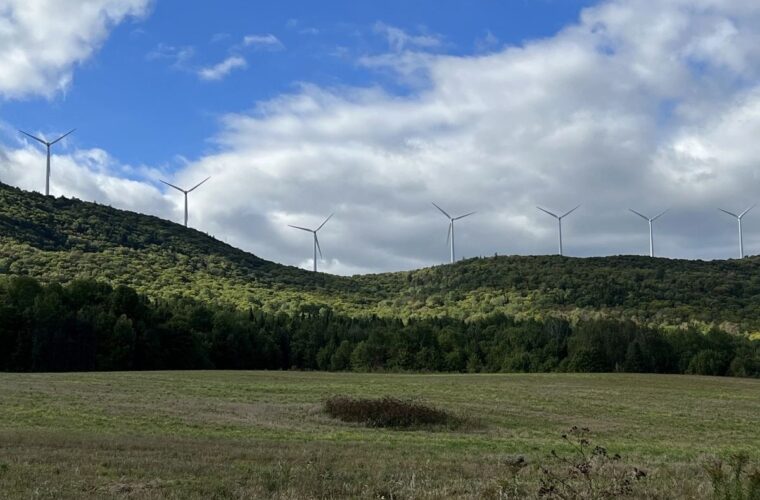
Aroostook County, Maine, the Oakfield Wind Project represents a significant stride in harnessing New England’s inland wind resources to meet regional clean energy goals. As one of the largest wind farms in the state, it underscores Maine’s pivotal role in the Northeast’s energy transition, converting its abundant wind into a reliable export product that powers southern New England while delivering crucial economic benefits to a rural region in need of diversification.
Significance & Context
The Oakfield Wind Project, developed by First Wind (later acquired by SunEdison and then Brookfield Renewable), is a major contributor to Maine’s and New England’s renewable energy portfolio. With a total installed capacity of 148 megawatts (MW), the facility generates enough electricity to power approximately 50,000 homes annually, based on calculations from the U.S. Energy Information Administration (EIA).
This output is particularly significant as it is transmitted south via upgraded transmission lines, supplying clean power to the ISO New England grid and helping states like Massachusetts meet their renewable energy mandates, a dynamic tracked by the Maine Governor’s Energy Office. Its development highlighted the strategic value of Maine’s wind resources for the broader region, as analyzed in reports from ISO New England.
Development Timeline
The project’s development navigated Maine’s distinctive permitting landscape. Initial prospecting and land leasing began in the late 2000s. The project underwent Maine’s rigorous Site Law of the Department of Environmental Protection review process. After receiving its state permit in 2012, construction commenced. The Oakfield Wind Project was completed and achieved commercial operation in 2015, a date confirmed by its listing in the U.S. Wind Turbine Database and project documentation from the Maine DEP.
Technology & Innovation
Designed for Maine’s challenging climate and wooded terrain, the project employs durable turbines, featuring 48 Vestas V112-3.075 MW turbines, chosen for their cold-weather capabilities. A key innovation was the sophisticated civil engineering required for constructing on steep, rocky terrain with minimal environmental disturbance, adhering to best practices for forested sites as researched by the National Renewable Energy Laboratory (NREL). The project also required a significant upgrade to local grid infrastructure to handle the power injection.
Challenges & Controversies
A primary challenge was addressing concerns regarding the project’s visual impact and potential effects on local wildlife, particularly birds and bats. Opposition from some local residents and environmental groups centered on these issues.
This hurdle was resolved through the state’s stringent permitting process, which mandated extensive wildlife monitoring and the implementation of a Habitat Conservation Plan. The permit granted by the Maine Department of Environmental Protection incorporated these conditions, with final orders and mitigation details accessible through the Maine DEP Decision & Order archive.
Community & Economic Impact
For the town of Oakfield and Aroostook County, the project provides a substantial economic infusion. During its construction phase, the project typically employed 200-300 workers, according to industry models from the American Clean Power Association.
Operationally, it generates significant annual property tax revenue for the host community, directly funding municipal services, as detailed in Town of Oakfield financial documents. Additionally, it provides long-term lease payments to participating landowners, including timber companies, creating a new revenue stream that complements the forestry economy, a benefit supported by the University of Maine Cooperative Extension.
Future Outlook
As a key operational asset, the Oakfield Wind Project is positioned for a long operational life supporting New England’s decarbonization efforts. Its established infrastructure and grid connection could make it a candidate for future repowering, a strategy analyzed in NREL reports on wind plant modernization.
Furthermore, its success has helped inform the ongoing debate over wind development in Maine, as the state continues to define its role as a renewable energy exporter under policies like the Maine Wind Energy Act and in the context of ISO New England’s future grid planning, accessible through ISO-NE’s Regional System Plan.
At Mower County you can find also: Grand Meadow Wind Farm