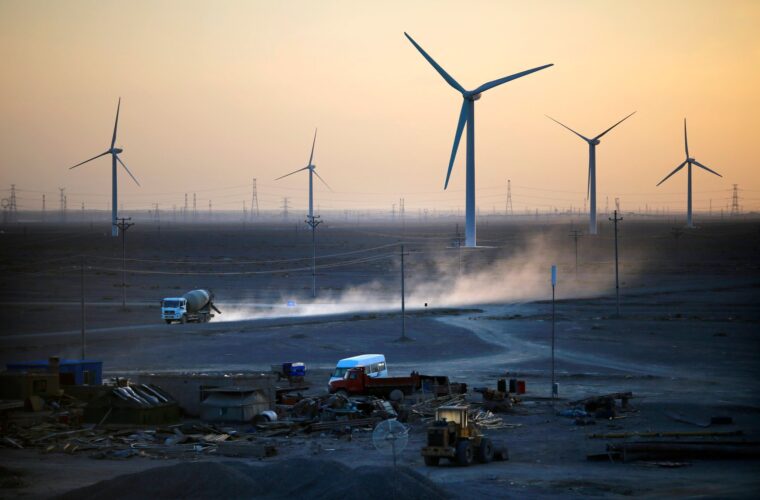
Wheat Field Wind Power Project represents a growing symbiosis between farming and clean energy generation. Located in Gilliam County, this project highlights how rural communities are harnessing their natural resources to create new economic foundations while contributing significantly to state and regional renewable energy targets, powering urban centers with homegrown electricity.
Significance & Context
The Wheat Field Wind Power Project is a major renewable energy asset developed by NextEra Energy Resources, the world’s largest generator of renewable energy from the wind and sun. With an operational capacity of 125 megawatts (MW), the project generates enough clean electricity to power approximately 40,000 Oregon homes annually, based on calculations from the U.S. Energy Information Administration (EIA). This output is critical to meeting the mandates of Oregon’s Renewable Portfolio Standard and supplies power under long-term contract to regional utilities, including Portland General Electric (PGE), as part of their clean energy portfolio highlighted on their PGE Renewable Projects page.
Development Timeline
The project’s development followed a multi-year path from conception to operation. Initial wind resource assessment and landowner agreements in Gilliam County began in the late 2000s. After securing necessary local permits and state approvals, major construction commenced in 2014. The project achieved commercial operation in 2015, a timeline confirmed by its listing in the U.S. Wind Turbine Database, maintained by the U.S. Geological Survey and the Department of Energy’s Lawrence Berkeley National Laboratory.
Technology & Innovation
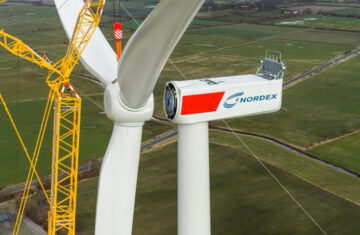
The Wheat Field Wind Power Project employs advanced wind turbine technology optimized for the site’s wind regime. The facility utilizes 50 General Electric (GE) wind turbines, each with a capacity of 2.5 MW. These turbines feature tall towers and large rotor diameters designed to efficiently capture wind energy. The project incorporates sophisticated monitoring and grid integration systems to ensure reliable power delivery into the regional transmission system, contributing to the broader grid managed by the Bonneville Power Administration (BPA), as noted in BPA’s generation interconnection reports.
Challenges & Controversies
A primary challenge during development involved navigating avian and wildlife protection regulations, a common consideration for projects in this region of Oregon, which is home to sensitive species. Concerns from state wildlife agencies and conservation groups required thorough environmental review. This hurdle was resolved through extensive pre-construction studies and the implementation of protected species management plans, in coordination with the Oregon Department of Fish and Wildlife (ODFW) and guided by the U.S. Fish & Wildlife Service’s Wind Energy Guidelines. The collaborative process ensured the project moved forward while addressing critical ecological stewardship obligations.
Community & Economic Impact
For Gilliam County, the wind farm provides substantial economic benefits. During peak construction, a project of this scale typically employs 200-300 workers, according to job creation models from the American Clean Power Association. In perpetuity, it generates a substantial and predictable stream of property tax revenue for county schools, roads, and emergency services, a key source of local funding detailed in Gilliam County budget documents. Furthermore, it provides long-term, stable lease payments to local landowners, offering a valuable secondary income that complements farming and ranching operations, a benefit widely documented by the Union of Concerned Scientists.
Future Outlook
As a key operational asset in NextEra’s fleet, the Wheat Field Wind Power Project is positioned for a long operational life. Its future is secured by its power purchase agreements and proven technology. The project also sets a precedent for further compatible energy development in Gilliam County, potentially pairing with solar or storage technologies in the future, in line with Oregon’s broader energy goals as outlined by the Oregon Department of Energy. It remains a cornerstone project demonstrating the successful integration of large-scale wind energy into Oregon’s working landscapes and clean energy future.
At Carbon County you can find also: Seven Mile Hill wind farm