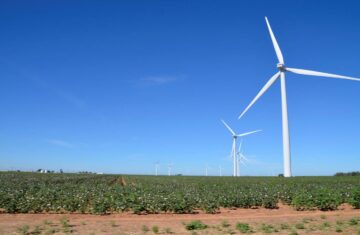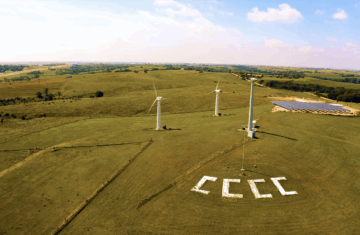
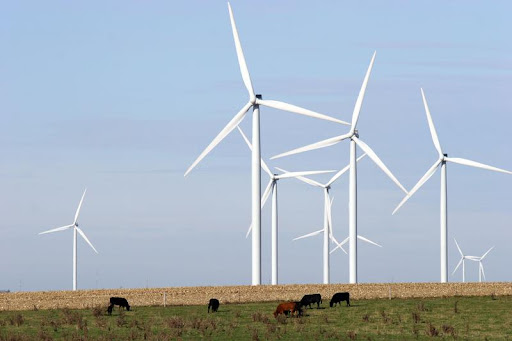
Lake Benton II Wind Farm represents a significant chapter in the state’s leadership in renewable energy, building upon the legacy of one of the earliest major wind developments in the United States. This expansion project demonstrates the continued viability and economic potential of the region’s exceptional wind resources. By leveraging established infrastructure and community partnerships, Lake Benton II reinforces Minnesota’s position as a wind energy pioneer while providing clean power and sustained economic benefits to the region.
Significance & Context
The Lake Benton II Wind Farm is a strategically important addition to the power grid managed by the Midcontinent Independent System Operator (MISO), serving utilities across the Upper Midwest. Its development builds directly on the success of the original Lake Benton project, which helped establish Minnesota’s wind industry in the late 1990s. The project supports the state’s renewable energy standard and contributes to Minnesota’s goal of 100% carbon-free electricity by 2040, a policy tracked by the Minnesota Department of Commerce. Located in the Buffalo Ridge area, one of the premier wind resources in North America, it maximizes energy production for the regional market.
Development Timeline
Development for Lake Benton II began in the early 2010s, capitalizing on the proven track record of its predecessor. Key milestones included securing additional land leases from local landowners, navigating county and state permitting processes, and finalizing power purchase agreements. Construction commenced in 2015, and the project was fully operational by 2017, efficiently expanding the existing wind energy complex.
Technology & Innovation
The Lake Benton II project utilized modern wind turbine technology that represented a significant advancement over the earlier models installed in the 1990s. Featuring taller towers and larger, more efficient rotors, these turbines were designed to capture more energy from the same wind resource. The project’s integration with the existing Lake Benton I facility allowed for shared operations and maintenance resources, creating operational efficiencies and demonstrating the advantages of phased development at a single site.
Challenges & Controversies
A primary challenge for the Lake Benton II project was navigating updated regulatory requirements and community expectations that had evolved since the original development. This included more stringent wildlife impact assessments and addressing concerns from some residents about the growing footprint of wind turbines in the landscape. The developers addressed these issues through enhanced environmental studies, proactive community engagement, and implementing improved siting protocols to minimize visual and environmental impacts, which helped maintain strong local support.
Community & Economic Impact
For Lincoln County and the surrounding area, Lake Benton II has delivered substantial and sustained economic benefits. During its construction, the project typically employed over 150 workers, providing a significant boost to local businesses. The permanent operations and maintenance team supports long-term, skilled jobs in the community. The project likely contributes millions of dollars in property tax revenue over its lifespan, crucial for funding local schools, roads, and emergency services—a fiscal impact recognized by the League of Minnesota Cities. Participating landowners receive predictable annual lease payments, providing a drought-resistant source of income.
Future Outlook
The success of Lake Benton II solidifies the Lake Benton area as a cornerstone of Minnesota’s wind energy portfolio for the long term. As the original turbines from the late 1990s near the end of their operational lives, the entire complex is a prime candidate for future repowering projects. This would involve replacing older turbines with the latest, highly efficient models, potentially doubling the site’s energy output on a smaller physical footprint. The project’s legacy demonstrates how strategic, phased development can create enduring economic and environmental value for rural communities.
Find also at Minnesota: Lake Benton I wind farm