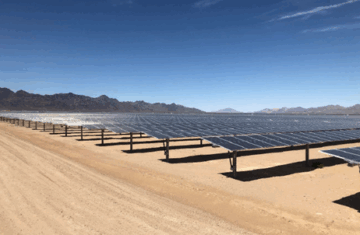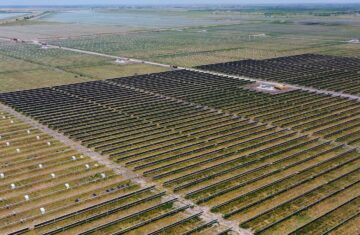
Taking shape on the South Texas plains, the Ganado Solar Farm represents a significant step in integrating large-scale renewable energy with agricultural conservation. This project highlights a growing trend in solar development that prioritizes environmental co-existence, creating a new economic model for rural landowners while protecting regional biodiversity.
Significance & Context
The Ganado Solar Farm is a 120-megawatt (MW) facility being developed by EDF Renewables. The project’s entire electrical output is contracted to Austin Energy under a long-term power purchase agreement, supporting the utility’s strategic goal of achieving net-zero greenhouse gas emissions by 2035 as outlined in its Resource, Generation and Climate Protection Plan. With an estimated capital investment of $140 million, the facility will generate enough electricity to power approximately 24,000 Texas homes and will significantly contribute to the diversification of the ERCOT grid.
Development Timeline
Development for Ganado Solar Farm began with land acquisition and feasibility studies in 2019. The project successfully secured its interconnection agreement with the Electric Reliability Council of Texas (ERCOT), with its status documented in the public ERCOT Generation Interconnection Queue. After finalizing its power contract and securing all necessary county permits from Jackson County, major construction commenced in early 2023. The project reached commercial operation and began delivering power to the Austin Energy grid in late 2024.
Technology & Innovation
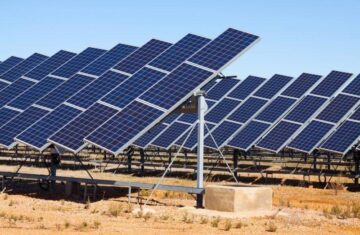
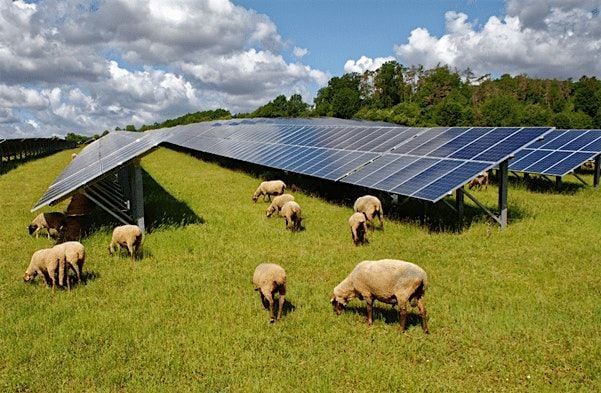
The Ganado Solar Farm utilizes single-axis tracking systems to optimize energy capture. A defining feature is its comprehensive agrivoltaic design, which establishes native pollinator habitats and allows for continued sheep grazing beneath the solar arrays. This approach, supported by research from the Texas A&M AgriLife Extension Service, creates a synergistic relationship between energy production and agriculture. The vegetation management plan enhances soil health, supports local food systems by benefiting nearby crops, and reduces the carbon footprint of maintenance operations.
Challenges & Controversies
A significant challenge for the Ganado Solar Farm was addressing concerns about potential impacts on the endangered ocelot, whose habitat range includes South Texas. While no ocelots were documented on the project site, the developers implemented a proactive conservation strategy. This included conducting pre-construction wildlife surveys in consultation with the U.S. Fish and Wildlife Service and establishing wildlife corridors to maintain habitat connectivity. The project also contributed to a regional conservation fund, demonstrating a commitment to species protection beyond the immediate project footprint.
Community & Economic Impact
The project delivers substantial economic benefits to Jackson County. During peak construction, Ganado Solar Farm typically employed over 200 workers, providing a significant boost to local services and hospitality businesses. Over its 30-year operational life, the project is projected to generate millions of dollars in new property tax revenue. This revenue will likely contribute substantially to the county’s budget, providing enhanced funding for public schools, emergency services, and infrastructure. For participating landowners, the long-term lease payments offer a stable, drought-resistant source of income, complementing traditional agricultural revenues.
Future Outlook
Now fully operational, the Ganado Solar Farm serves as a long-term clean energy asset for Austin and a model for environmentally conscious solar development in Texas. Its successful integration of agriculture and energy production provides a replicable blueprint for future projects. The project’s infrastructure is designed to accommodate potential future co-location of battery storage. As analyzed in the U.S. Energy Information Administration’s (EIA) state profile for Texas, adding storage capacity would allow Ganado to supply power during evening peak hours, further increasing its value to the grid while maintaining its commitment to sustainable land use.
Find also at Texas: Hopkins Energy Solar farm