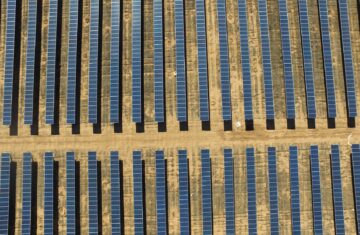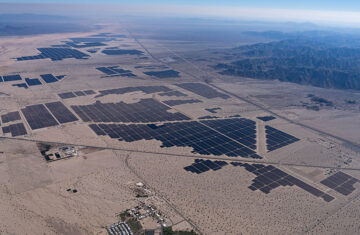
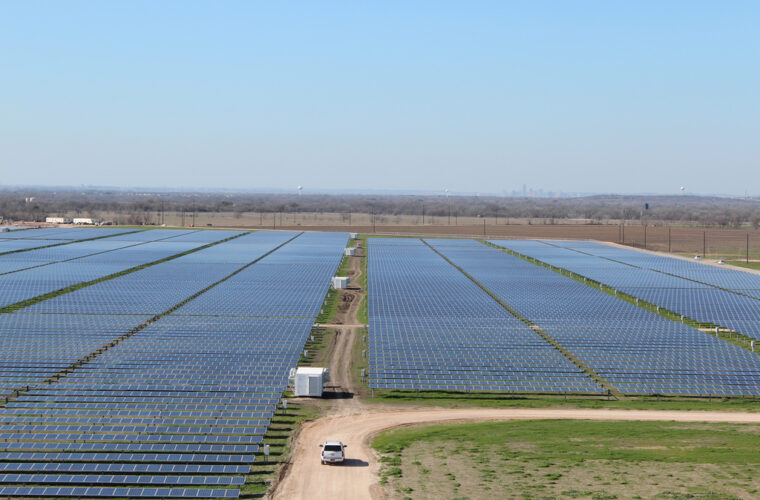
Liberty County Solar Project represents a strategic expansion of renewable generation into a region historically dominated by oil, gas, and petrochemical industries. This significant development demonstrates solar power’s growing role in diversifying the local economy and enhancing grid resilience near major industrial and population centers. By generating clean electricity close to the Houston metropolitan load center, the project reduces transmission constraints and provides a reliable power source for one of the nation’s most vital economic regions.
Significance & Context
The Liberty County Solar Project holds strategic importance within the Electric Reliability Council of Texas (ERCOT) grid, specifically within the heavily industrialized Gulf Coast region. Its location directly addresses the “coastal load” demand identified in ERCOT’s Seasonal Resource Adequacy Reports, providing local generation that is less vulnerable to transmission congestion affecting power imports from West Texas. The project supports the sustainability goals of major industrial users in the region while contributing to grid stability—a critical need highlighted during recent extreme weather events.
Development Timeline
Development for the Liberty County Solar Project accelerated in the early 2020s, driven by recognition of the strategic need for generation diversification in Southeast Texas. Key milestones included securing land leases in a competitive market, navigating county permitting with particular attention to stormwater management, and finalizing power purchase agreements with commercial and industrial customers. Construction commenced in 2023, and the project achieved commercial operation in 2025.
Technology & Innovation
The project utilizes corrosion-resistant solar panels and mounting systems specifically engineered for the humid Gulf Coast climate. These are installed on single-axis tracking systems to maximize energy production. A key innovation is the facility’s advanced stormwater management design, which incorporates enhanced drainage and retention features to handle the region’s heavy rainfall events—exceeding requirements set by the Texas Commission on Environmental Quality (TCEQ).
Challenges & Controversies
A significant challenge involved addressing complex drainage requirements in Liberty County’s low-lying topography. The project needed to demonstrate it would not exacerbate local flooding or impact neighboring properties. This was resolved through comprehensive hydrological modeling and the implementation of an engineered drainage system that included additional retention capacity and improved runoff management, ultimately securing necessary permits and community support.
Community & Economic Impact
For Liberty County, the project delivers substantial economic benefits. During peak construction, Liberty County Solar typically employed over 200 workers, providing a significant boost to local businesses. The permanent operations team creates 15-20 long-term skilled positions. The project likely contributes approximately $1.2 million annually in property tax revenue, providing crucial funding for local schools, emergency services, and infrastructure—a fiscal impact documented by the Texas Comptroller of Public Accounts. Landowners receive stable lease payments that provide financial diversification.
Future Outlook
The successful commissioning of the Liberty County Solar Project establishes a viable model for further renewable development in East Texas. Its strategic location and storm-resilient design make it a potential candidate for future augmentation with battery storage, which would enhance its ability to provide backup power during grid disruptions. The project demonstrates that the region’s energy transition can build upon its industrial heritage while creating new economic opportunities and enhancing community resilience for decades to come.
Find also at Texas: Ganado Solar farm