aceway Solar & Storage project represents a paradigm shift in urban energy development for Los Angeles County. By transforming a former racetrack into a cornerstone of clean energy infrastructure, this facility directly addresses the region’s urgent need for local, dispatchable power to ensure grid reliability and support the phase-out of fossil fuels.
Significance & Context
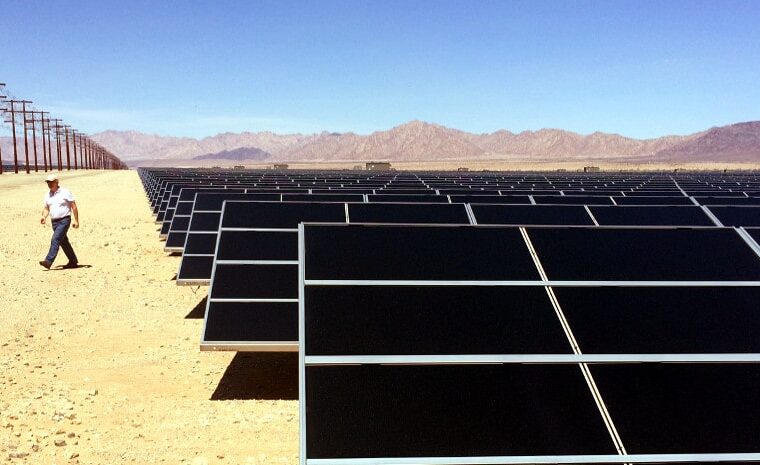
The Raceway Solar & Storage project is a major 100-megawatt (MW) solar array integrated with a 200 MW / 800 megawatt-hour battery energy storage system (BESS). Developed by CIM Group, the facility is located on the 75-acre site of the former Los Angeles County Raceway. Its entire capacity is contracted to the Los Angeles Department of Water and Power (LADWP) under a 20-year power purchase agreement, a key component of the utility’s Strategic Long-Term Resource Plan to replace the retiring Scattergood and Haynes gas-fired plants. The project’s four-hour duration battery is specifically designed to provide power during the critical evening peak, enough to power approximately 75,000 homes for four hours.
Development Timeline
The project’s development began with site acquisition and conceptual planning in 2019. It successfully navigated the interconnection process with the California Independent System Operator (CAISO) and secured a land use permit from the City of Industry. The project was officially approved by the LADWP Board of Commissioners in 2022. Following this, construction commenced in early 2023, with the project achieving commercial operation in the first quarter of 2025.
Technology & Innovation
The project’s core innovation is its urban location and massive storage capacity. The solar canopy is built over a newly created substrate, avoiding the need for deep land penetration on the remediated brownfield site. The battery system, using lithium-ion technology, is one of the largest of its kind in the nation and is strategically sited within the LADWP load pocket. This location allows it to provide local grid support, reduce transmission congestion, and enhance resilience by injecting power directly where it is needed most, a strategy highlighted in CAISO’s Local Capacity Technical Analysis.
Challenges & Controversies
A significant challenge was the remediation of the former industrial site and managing community concerns about traffic and safety during construction. To address this, the developers implemented a comprehensive traffic management plan coordinated with the City of Industry Public Works Department and held regular community briefings. Furthermore, the project underwent a rigorous environmental review to ensure all soil contaminants were properly handled, with the final remediation plan approved by the California Department of Toxic Substances Control.
Community & Economic Impact
The project provides a substantial economic benefit to the region. During peak construction, Raceway Solar & Storage typically employed over 300 workers. The project likely contributes millions in annual tax revenue and lease payments to the city. For LADWP ratepayers, the project is a critical tool for stabilizing energy costs and preventing blackouts. By repurposing a dormant industrial property, the project also eliminates a local source of blight and noise pollution, converting it into a community asset that supports public health through improved air quality.
Future Outlook
As a now-operational asset, the Raceway Solar & Storage project is a foundational component of Los Angeles’s clean energy future. Its success in transforming an urban brownfield into a grid reliability asset provides a replicable model for other dense metropolitan areas. The project’s design allows for potential future expansion of battery capacity as technology improves. As analyzed by the California Energy Commission (CEC), such urban-located storage resources are essential for achieving the state’s 100% clean electricity goals, ensuring Raceway will play a vital role for decades to come.
Discover also at USA: Delta’s Edge Solar