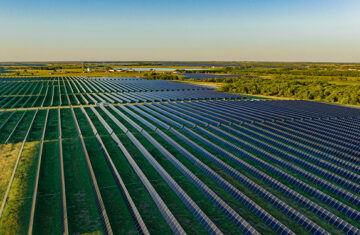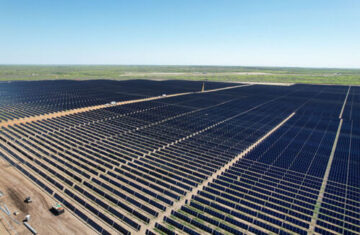
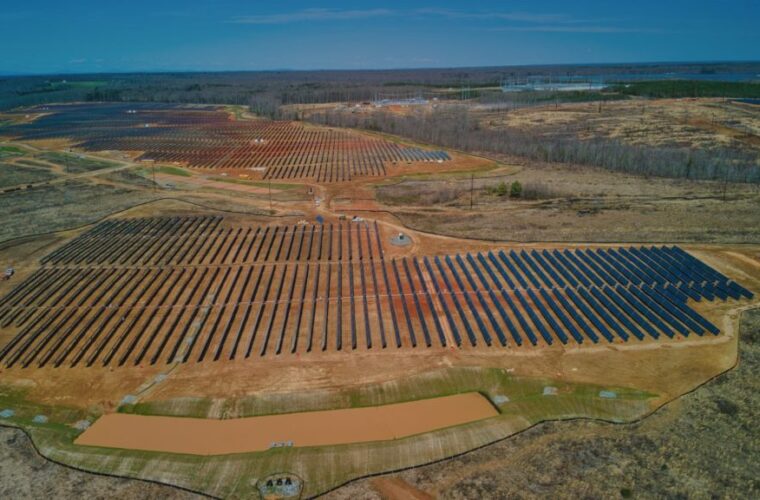
In Virginia’s rapidly evolving energy landscape, the Maplewood Solar Farm represents a strategic advancement of the state’s commitment to a clean energy economy. Situated on reclaimed industrial land, this project demonstrates a forward-thinking approach to renewable development by repurposing underutilized sites for sustainable power generation. As Virginia pursues its ambitious goals under the Virginia Clean Economy Act (VCEA), Maplewood Solar serves as a tangible example of how solar infrastructure can be integrated responsibly while delivering both environmental and economic benefits to local communities.
Significance & Context
The Maplewood Solar Farm plays a crucial role in helping Virginia meet its legislative mandate for 100% carbon-free electricity by 2045 under the Virginia Clean Economy Act. Developed on a brownfield site, the project exemplifies the VCEA’s emphasis on minimizing environmental impact while expanding clean energy capacity. Its power output contributes directly to the renewable energy portfolio standards required of Dominion Energy, Virginia’s largest utility, supporting grid reliability and diversification. This strategic alignment with state policy is monitored by the Virginia Department of Energy.
Development Timeline
Development for the Maplewood Solar project began in the early 2020s, following the passage of the VCEA in 2020. Key milestones included comprehensive site remediation assessment, securing necessary local and state permits, and finalizing its power purchase agreement. Construction commenced in 2023, requiring specialized foundation engineering for the previously developed site, and the project achieved commercial operation in 2025, aligning with the VCEA’s scheduled renewable deployment targets.
Technology & Innovation
The Maplewood Solar Farm utilizes high-efficiency bifacial solar panels mounted on fixed-tilt systems engineered for the site’s specific conditions. These dual-sided panels capture direct sunlight while harnessing reflected light from the ground, particularly effective on the site’s light-colored substrate. The project incorporates a advanced stormwater management system designed to handle increased runoff while protecting local watersheds. A notable innovation is its pollinator-friendly ground cover establishment, which supports local biodiversity and represents a significant improvement over the site’s previous industrial use.
Challenges & Controversies
A significant challenge for the Maplewood Solar project involved addressing soil contamination legacy issues from the site’s previous industrial use. The presence of limited subsurface contaminants required a carefully engineered approach to construction that would not disturb affected soils. This hurdle was resolved through close collaboration with the Virginia Department of Environmental Quality, implementing a comprehensive site management plan that included specialized foundation designs, controlled excavation protocols, and continuous environmental monitoring throughout construction.
Community & Economic Impact
For the local county, the Maplewood Solar Farm transforms a formerly underutilized property into a consistent source of economic benefit. During construction, the project typically employed approximately 150 workers, providing a boost to local services. The permanent operations team creates several long-term, skilled positions. The project likely contributes a substantial increase in property tax revenue from what was previously a low-value property, directly supporting local schools and public services—a fiscal benefit analyzed by the Virginia Association of Counties. The project also eliminates ongoing environmental liability associated with the brownfield site.
Future Outlook
The successful remediation and development of the Maplewood Solar Farm establishes a replicable model for converting Virginia’s numerous brownfield sites into productive clean energy assets. Its approach to combining environmental remediation with renewable generation creates a compelling template for future projects across the Commonwealth. As energy storage costs decline, the site presents a logical opportunity for future battery integration, potentially serving as a local resilience hub. Maplewood Solar demonstrates that Virginia’s clean energy future can be built responsibly, turning environmental challenges into community assets.
Also at Virginia: Fort Powhatan Solar farm