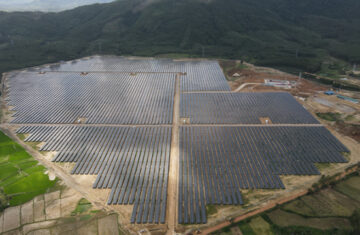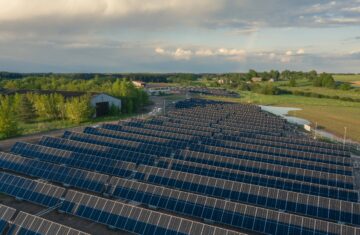
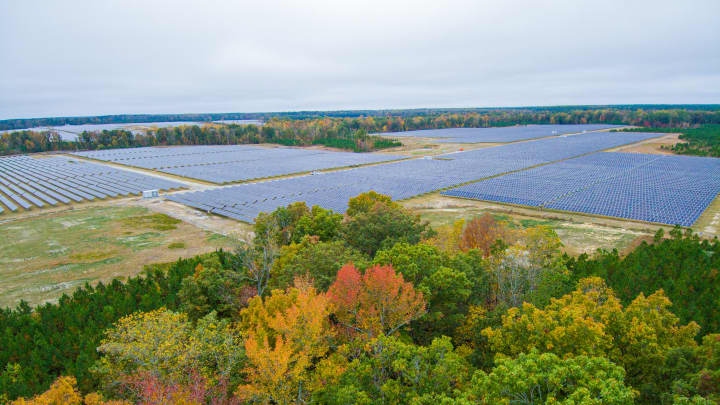
In Virginia’s historic Tidewater region, the Fort Powhatan Solar Farm represents a strategic convergence of clean energy development and military community support. Located near significant Department of Defense infrastructure, this project underscores a growing national priority: strengthening grid resilience for critical facilities through distributed renewable generation. By powering thousands of homes with locally harvested sunlight, Fort Powhatan Solar not only advances Virginia’s clean energy goals but also contributes to the energy security of a region of national importance.
Significance & Context
The Fort Powhatan Solar Farm is a significant contributor to Virginia’s mandate for a 100% carbon-free grid by 2045 under the Virginia Clean Economy Act (VCEA). Its location in the Hampton Roads area is strategically important, as it adds generation capacity to a region with a high concentration of military installations and associated energy demand. The project supports Dominion Energy’s integrated resource plan, which emphasizes diversifying the generation portfolio and enhancing grid reliability. This development aligns with both state policy and the U.S. Department of Defense’s initiatives for energy resilience, as tracked by the Virginia Department of Energy.
Development Timeline
Development for the Fort Powhatan Solar project accelerated following the passage of the VCEA in 2020. Key milestones included site selection, securing land leases, and navigating the local and state permitting process, which included coordination with regional military stakeholders. Construction commenced in 2023, and the project was successfully completed and reached commercial operation in 2025, on schedule to contribute to the VCEA’s near-term targets.
Technology & Innovation
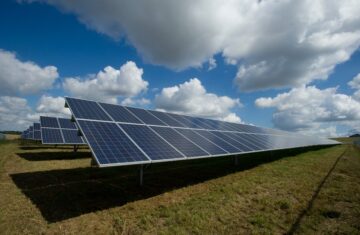
The Fort Powhatan Solar Farm utilizes high-efficiency, monocrystalline solar panels mounted on single-axis tracking systems to maximize energy production in the coastal Virginia climate. The project’s design incorporates corrosion-resistant materials to withstand the region’s humidity and salt air. A key feature is its advanced grid interconnection, which is designed to support local distribution reliability, a valuable asset for the surrounding community and its critical infrastructure.
Challenges & Controversies
A primary challenge for the Fort Powhatan Solar project was navigating the complex regulatory and environmental landscape of the Tidewater region. The site required extensive environmental reviews to ensure protection of nearby wetlands and waterways, in compliance with the Chesapeake Bay Preservation Act. The developers addressed this through meticulous site planning and early, continuous engagement with the Virginia Department of Environmental Quality (DEQ), implementing enhanced stormwater management and erosion control measures that exceeded standard requirements to secure all necessary permits.
Community & Economic Impact
For the host county, the Fort Powhatan Solar Farm provides a substantial and long-term economic benefit. During the construction phase, the project typically employed over 200 workers, providing a significant boost to local businesses. The permanent operations and maintenance team creates a number of skilled, long-term jobs. The project likely contributes a major increase in property tax revenue, which is vital for funding local schools, public safety, and infrastructure—a fiscal impact recognized by the Virginia Association of Counties. Landowners receive a stable source of lease income.
Future Outlook
The successful commissioning of Fort Powhatan Solar reinforces the strategic importance of siting renewable energy in regions critical to national security and grid resilience. It provides a replicable model for future projects that can support both state decarbonization goals and federal energy security initiatives. As battery storage costs decline, the site is a prime candidate for a future co-located energy storage system, which would allow it to provide backup power during outages and further enhance the resilience of the local grid. Fort Powhatan Solar stands as a model for how clean energy infrastructure can support both community and national priorities.
Also at Virginia: Waverly Solar farm