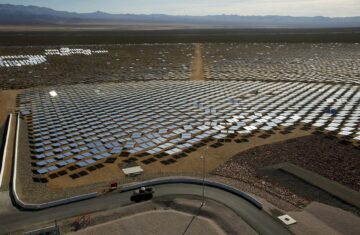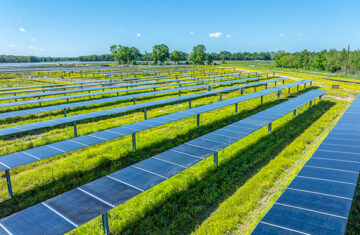
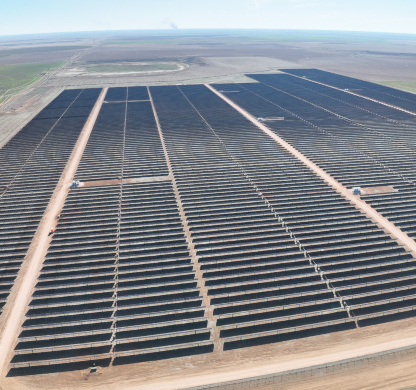
Hecate Energy Frye Solar project represents a significant addition to the state’s renewable energy portfolio, demonstrating how strategic project development can maximize both energy output and economic benefits for rural communities. This project exemplifies the continued maturation of solar power as a reliable, utility-scale generation source capable of competing in Texas’s competitive electricity market.
Significance & Context
The Hecate Energy Frye Solar project is a 150-megawatt (AC) facility developed by Hecate Energy on private land in West Texas. The project sells its power into the Electric Reliability Council of Texas (ERCOT) market, providing valuable generation capacity during peak daylight hours. According to data from the U.S. Energy Information Administration (EIA), the facility generates enough electricity to power approximately 30,000 homes. This clean energy contribution displaces an estimated 240,000 metric tons of carbon dioxide emissions annually, contributing to grid diversification and carbon reduction goals in the nation’s leading energy state.
Development Timeline
The project’s development began with comprehensive site studies and land acquisition in 2019. A key milestone was reached when the project secured its interconnection agreement with ERCOT, a process documented in public interconnection queue reports. The development team successfully navigated local permitting with the relevant county commissioners court and adhered to regulations overseen by the Texas Commission on Environmental Quality (TCEQ). Construction commenced in 2022, and the project achieved commercial operation in late 2023.
Technology & Innovation
The Hecate Energy Frye Solar project utilizes contemporary solar technology optimized for the West Texas environment. The facility features single-axis tracking systems that follow the sun’s path from east to west, increasing energy production by approximately 20-25% compared to fixed-tilt systems. The project employs monocrystalline silicon panels known for their high efficiency and durability in variable weather conditions. According to performance data from the National Renewable Energy Laboratory (NREL), this configuration provides reliable energy production with optimized capital costs. Advanced inverters ensure stable integration with the local ERCOT grid.
Challenges & Controversies
A significant challenge for the Hecate Energy Frye Solar project involved optimizing the project’s water management strategy in an arid region. The need for dust control during construction and panel cleaning during operations required careful planning to minimize water usage. This challenge was resolved through the implementation of a comprehensive water conservation plan that used dust suppressants during construction and incorporated a water-efficient cleaning system for ongoing operations. The project also addressed community concerns about visual impact through the implementation of vegetative screening where appropriate.
Community & Economic Impact
The Hecate Energy Frye Solar project provides substantial economic benefits to its host county. During peak construction, the project typically employed 250-350 workers, according to workforce estimates from the Solar Energy Industries Association (SEIA). For long-term operations, it supports a permanent team of technicians for maintenance and monitoring. The project provides stable, long-term lease payments to local landowners, creating a drought-resistant revenue stream that complements traditional land uses. Based on the Texas Comptroller’s guidelines on property tax abatements for renewable energy, the project likely contributes significant annual tax revenue to the county, benefiting local schools and public services.
Future Outlook
With an operational lifespan exceeding 30 years, the Hecate Energy Frye Solar project represents a long-term commitment to Texas’s energy future. The project’s success demonstrates the continued economic viability of utility-scale solar in the competitive ERCOT market. The site’s infrastructure is designed to potentially accommodate future battery energy storage systems (BESS), which would allow solar energy to be stored and dispatched during evening peak hours. As Texas continues to lead the nation in renewable energy development, the Hecate Energy Frye Solar project serves as an example of how well-sited solar developments can meet both economic and environmental objectives while supporting rural communities through long-term revenue generation.
Discover also at Texas: BPL Sol Solar farm