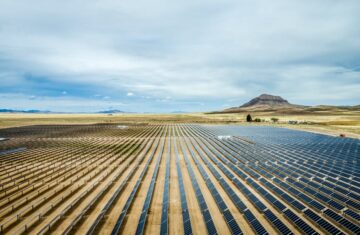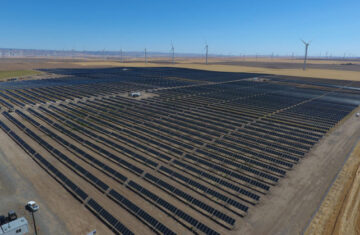
Hunter Solar Farm represents a strategic partnership between renewable energy development and traditional power generation, showcasing how solar power can complement existing infrastructure to create a more diverse and resilient energy portfolio. This project demonstrates Utah’s evolving energy strategy, balancing its fossil fuel resources with new clean energy investments to meet future electricity demands.
Significance & Context
The Hunter Solar Farm is an 80-megawatt (AC) facility developed by D. E. Shaw Renewable Investments (DESRI) on land adjacent to the existing Hunter Power Plant in Emery County. The project’s location is strategically significant, allowing it to utilize existing transmission infrastructure and interconnect to the grid managed by the Pacificorp (Rocky Mountain Power), Utah’s largest utility. According to data from the U.S. Energy Information Administration (EIA), the facility generates enough electricity to power approximately 20,000 Utah homes. This clean energy output helps diversify the state’s energy mix and supports Rocky Mountain Power’s commitment to adding renewable resources to its portfolio.
Development Timeline
The project’s development began with site selection and feasibility studies in 2018. A key milestone was reached when the project secured a power purchase agreement with Pacificorp, approved by the Utah Public Service Commission. The development team successfully navigated the local permitting process with Emery County and completed necessary environmental reviews. Construction commenced in 2021, and the project achieved commercial operation in 2023, becoming one of the largest solar facilities in central Utah.
Technology & Innovation
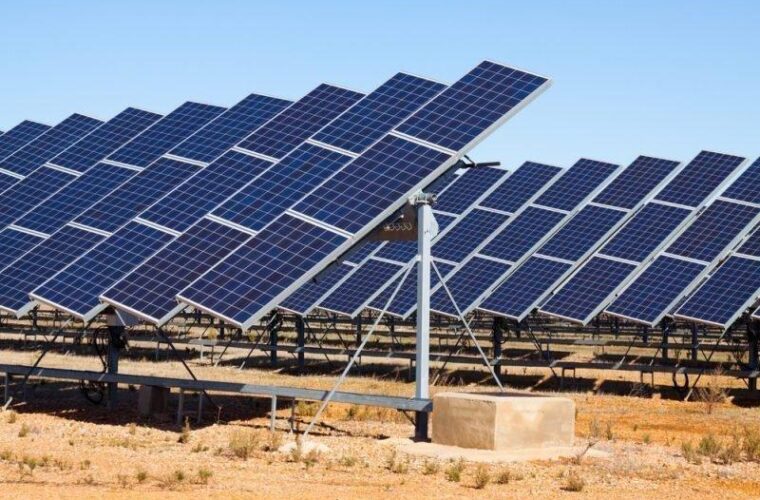
The Hunter Solar Farm utilizes modern solar technology optimized for Utah’s high-desert climate. The facility features single-axis tracking systems that follow the sun’s path from east to west, increasing energy production by approximately 20% compared to fixed-tilt systems. The project employs monocrystalline silicon panels known for their high efficiency in variable weather conditions. A significant innovation is the project’s strategic co-location with existing fossil fuel generation, which allows for shared grid infrastructure and provides a model for transitioning energy sites toward cleaner technologies while maintaining grid reliability.
Challenges & Controversies
A significant challenge for the Hunter Solar project involved optimizing the solar array design for the specific microclimate and soil conditions of the Hunter site. The area’s high winds and potential for dust accumulation required specialized engineering solutions for the mounting systems and panel cleaning protocols. These challenges were resolved through collaboration with geotechnical engineers and the implementation of a robust water-efficient cleaning system that minimizes water usage while maintaining panel efficiency. The project also conducted extensive cultural resource surveys in consultation with local tribes to address potential historical preservation concerns.
Community & Economic Impact
The Hunter Solar Farm provides meaningful economic benefits to Emery County. During the construction phase, the project typically employed 150-200 workers, according to workforce estimates from the Solar Energy Industries Association (SEIA). For long-term operations, it supports a permanent team of technicians for maintenance and monitoring. The project provides stable lease payments to local landowners and, based on Utah’s tax assessment models, likely contributes significant annual property tax revenue to Emery County. This revenue directly benefits local services, including schools and public safety, in a region experiencing economic transition.
Future Outlook
With an operational lifespan exceeding 30 years, the Hunter Solar Farm represents a long-term investment in Utah’s energy future. The project’s successful co-location with existing power infrastructure provides a replicable model for other utilities seeking to integrate renewable energy while maximizing existing assets. The site has potential for future expansion or the addition of battery energy storage systems (BESS) to extend its daily generation profile. As Utah continues to diversify its energy portfolio, the Hunter Solar Farm stands as an example of how strategic renewable development can complement traditional energy resources while providing economic stability to host communities.
Check list to learn more about: Top 10 Solar Farms in USA