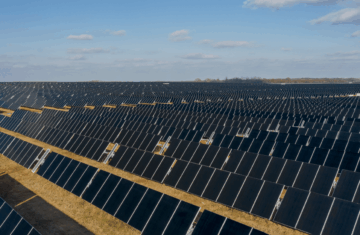
Ohio, the Hecate Energy Highland project represents a significant advancement in the state’s renewable energy landscape, demonstrating how utility-scale solar can bring economic revitalization to regions facing agricultural and industrial transition. This project exemplifies Ohio’s strategic shift toward clean energy while addressing the unique opportunities and challenges of Appalachian communities.
Significance & Context
Developed by Hecate Energy, the 300-megawatt (MW) Hecate Energy Highland facility stands as one of Ohio’s largest solar projects, contributing significantly to the state’s renewable energy goals. According to data from the Ohio Power Siting Board, the facility will generate enough electricity to power approximately 55,000 homes upon completion, supporting Ohio’s transition toward cleaner energy sources. Its location in Highland County, within Ohio’s Appalachian region, positions it to create economic opportunities in an area that has experienced significant industrial and agricultural challenges in recent decades.
Development Timeline
The project’s development has followed Ohio’s comprehensive energy siting process with additional consideration for local community impacts. Development activities began in 2019, with the project receiving certificate approval from the Ohio Power Siting Board in 2022 after extensive review and public hearings. Construction is scheduled to commence in 2024, with commercial operation expected by 2026, according to filings with the PJM Interconnection. This extended timeline reflects the complex regulatory process for major energy projects in Ohio and includes additional time for community engagement and environmental planning.
Technology & Innovation
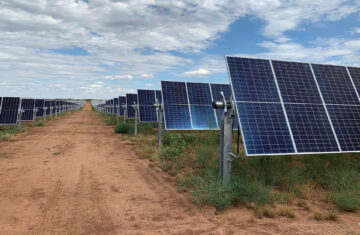
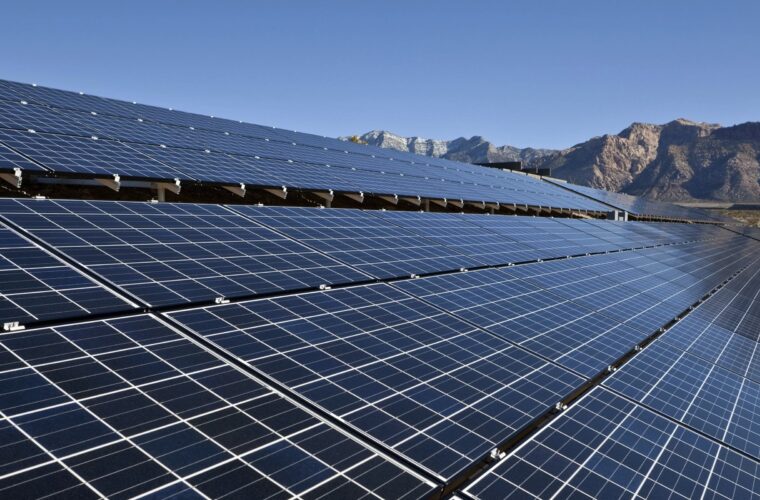
Hecate Energy Highland will utilize single-axis tracking systems with bifacial photovoltaic modules, capturing both direct and reflected light to maximize energy production in Ohio’s variable climate. According to technical specifications from the National Renewable Energy Laboratory (NREL), this configuration can increase energy yield by 10-15% compared to fixed-tilt systems. The project will incorporate advanced stormwater management systems designed to protect local watersheds and prevent soil erosion in the region’s hilly terrain. Native vegetation and pollinator-friendly plantings between panels will support local biodiversity while minimizing maintenance requirements.
Challenges & Controversies
The project faced significant opposition from some local residents concerned about land use changes and visual impacts on the rural landscape. Organized groups including Highland County Citizens for Responsible Solar raised concerns about the conversion of agricultural land and potential impacts on property values. The resolution involved implementing a comprehensive Community Benefits Package that addressed specific local concerns through increased setback requirements, visual screening with vegetation, and a detailed decommissioning plan with financial assurance. The project also adjusted its layout to preserve the most productive agricultural lands and maintain existing farming operations where possible.
Community & Economic Impact
For Highland County, the project promises substantial economic benefits for a region seeking new development opportunities. During construction, the project typically employs 300-400 workers, with commitments to prioritize local hiring and utilize Ohio-based contractors. For ongoing operations, it will maintain 10-15 permanent positions with competitive wages and benefits. Based on standard tax models for utility-scale solar in Ohio, the project likely contributes approximately $1.2-1.5 million annually in property tax revenue to local governments and school districts. Additionally, it will provide stable lease payments to participating landowners, creating a new revenue stream that complements traditional farming income.
Future Outlook
With an expected operational lifespan of 35+ years, the Hecate Energy Highland project represents a long-term commitment to Ohio’s energy future. The project’s success in navigating regulatory challenges and community concerns provides a model for future renewable development in Appalachian Ohio. As the state’s energy landscape evolves, the facility may eventually incorporate battery storage technology to enhance its grid value. The project’s approach to combining energy generation with agricultural preservation and community benefits establishes important precedents for how Ohio can achieve its clean energy goals while supporting rural communities through the energy transition, potentially positioning Highland County as a leader in Ohio’s renewable energy economy.
Check list to learn more about: Top 10 Solar Farms in USA