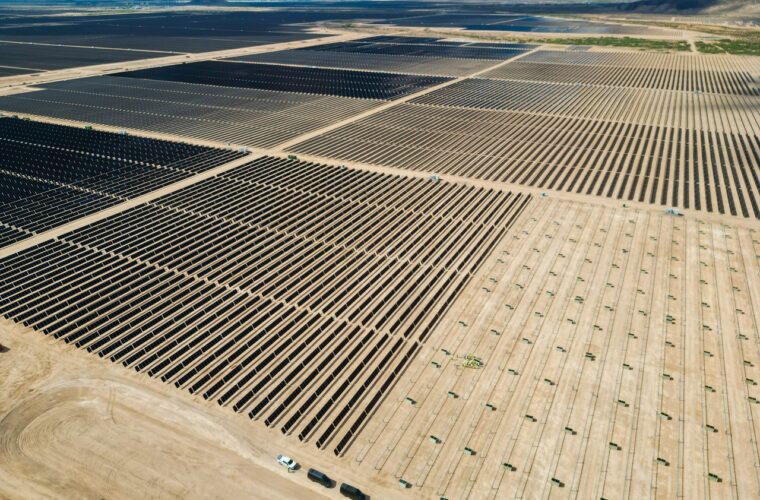
Arizona, the Sun Streams Solar Farm represents a strategic addition to the state’s renewable energy portfolio, demonstrating how solar development can be optimized in regions with exceptional solar resources while addressing the unique environmental considerations of the Sonoran Desert. This project exemplifies Arizona’s commitment to diversifying its energy mix while creating economic opportunities in rural communities.
Significance & Context
Developed by NextEra Energy Resources, the 200-megawatt (MW) Sun Streams Solar Farm contributes significantly to Arizona’s renewable energy goals while operating within the competitive market structure of the Salt River Project (SRP). According to generation data from the U.S. Energy Information Administration (EIA), the facility produces enough electricity to power approximately 60,000 homes, supporting SRP’s sustainable energy commitments. Its location in Maricopa County, which boasts some of the highest solar irradiance levels in North America, positions it to maximize energy production while adhering to Arizona’s guidelines for responsible desert development.
Development Timeline
The project’s development progressed efficiently through Arizona’s streamlined regulatory environment. Development activities began in 2019, with construction commencing in 2021 following execution of a power purchase agreement with SRP. The project achieved commercial operation in 2023, as documented in Arizona Corporation Commission filings. This timeline reflects Arizona’s experience with utility-scale solar development, though the project still required comprehensive environmental review and community engagement to address desert conservation concerns.
Technology & Innovation
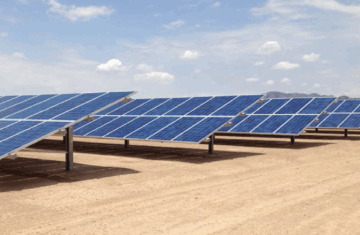
Sun Streams Solar utilizes single-axis tracking systems with bifacial photovoltaic modules, capturing reflected light from the desert surface to increase energy yield. According to performance studies from the National Renewable Energy Laboratory (NREL), this technology combination can increase energy production by 10-15% compared to conventional single-sided panels. The project incorporates advanced inverters with grid-forming capabilities that provide essential voltage support and frequency regulation to enhance stability in the local grid. Water-free cleaning systems and specialized dust mitigation technology maintain panel efficiency while minimizing water usage in the arid environment.
Challenges & Controversies
The project faced challenges related to desert conservation and concerns about impacts on sensitive ecosystems. Environmental groups including the Arizona Sonora Desert Museum raised concerns about habitat fragmentation and impacts on desert wildlife. The resolution involved implementing a comprehensive Habitat Conservation Plan developed with the Arizona Game and Fish Department that included creating protected habitat areas, establishing wildlife corridors, and implementing monitoring programs for sensitive species. The project also addressed water conservation concerns through completely water-free operations and implemented measures to minimize light pollution in the region.
Community & Economic Impact
For Maricopa County, the project has delivered substantial economic benefits while addressing environmental considerations. During construction, the project typically employed 250-300 workers, providing local employment opportunities in the region. For ongoing operations, it maintains 8-10 permanent positions. Based on Maricopa County’s tax assessment models for utility-scale solar, the project likely contributes approximately $1.2-1.5 million annually in property tax revenue to local governments and school districts. Additionally, it provides stable lease payments to local landowners, creating a reliable income source that complements other economic activities in the region and provides financial stability for rural families.
Future Outlook
With an expected operational lifespan of 30+ years, the Sun Streams Solar Farm represents a long-term commitment to both clean energy and desert conservation. The project’s innovative approach to water conservation and environmental mitigation sets new standards for solar development in arid regions. As technology advances, the site may incorporate energy storage systems to enhance its grid value or be repowered with more efficient panels. The project’s success in balancing energy development with environmental protection provides a model for future renewable projects in sensitive desert ecosystems, demonstrating that clean energy goals can be achieved while respecting and preserving Arizona’s unique natural heritage and supporting rural communities.
Find also at Maricopa: Arlington Valley Solar Energy II