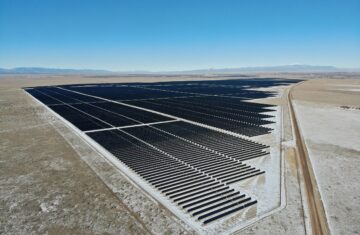
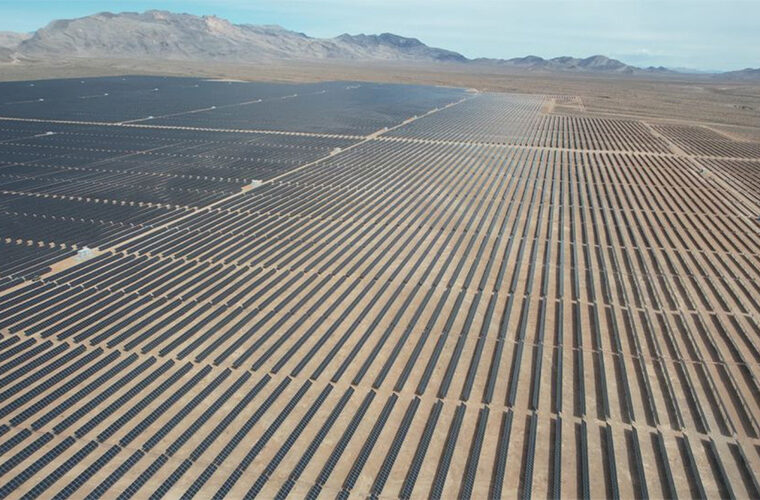
Located on tribal land 30 miles north of Las Vegas, the Moapa Southern Paiute Solar Project represents a groundbreaking achievement in energy sovereignty and economic development for Native American communities. This landmark facility, developed on the Moapa River Indian Reservation, is notably the first utility-scale solar project built on tribal land in the United States, setting a precedent for indigenous-led renewable energy development and providing a sustainable revenue stream for the Moapa Band of Paiutes.
Significance & Context
The Moapa Southern Paiute Solar Project holds profound significance beyond its energy output. Developed in partnership with First Solar and Array Technologies, this 250-megawatt (MW) facility generates enough electricity to power approximately 111,000 homes, according to capacity estimates from the U.S. Department of Energy. The project represents a transformative economic opportunity for the tribe, providing long-term revenue while honoring the community’s cultural values of environmental stewardship. Its development directly supports the tribe’s goals of self-determination and economic independence.
Development Timeline
The project’s development reflects a decade of determined effort. Planning began in 2010, with the Moapa Band working to overcome complex regulatory and jurisdictional challenges unique to tribal lands. Construction commenced in 2015 following approval from the U.S. Department of the Interior, which facilitated the lease of tribal trust lands for renewable energy development. The project reached full commercial operation in 2017, with its output purchased by Los Angeles Department of Water and Power (LADWP) under a 25-year power purchase agreement, as reported by Utility Dive.
Technology & Innovation
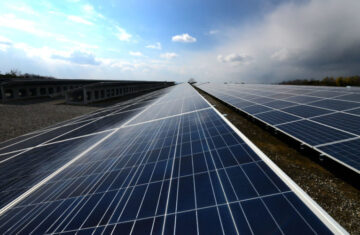
The facility utilizes advanced thin-film cadmium telluride (CdTe) photovoltaic modules mounted on single-axis tracking systems. This technology combination maximizes energy capture in the desert environment while minimizing water usage—a critical consideration in the arid Southwest. The project’s innovative tribal ownership structure, developed in consultation with the Office of Indian Energy Policy and Programs, serves as a replicable model for other Native American nations seeking to develop their renewable energy resources while maintaining cultural and environmental integrity.
Challenges & Controversies
The project faced significant challenges in navigating the complex interplay of tribal, state, and federal jurisdictions. Developing infrastructure on tribal trust lands required extensive coordination with multiple federal agencies and overcoming unique financing hurdles. The resolution came through the Department of the Interior’s streamlined process for tribal energy development, established under the Indian Tribal Energy Development and Self-Determination Act. Additionally, the project implemented extensive environmental and cultural resource monitoring to ensure protection of sacred sites and desert habitat, working closely with tribal elders and the Bureau of Indian Affairs.
Community & Economic Impact
The Moapa Southern Paiute Solar Project has created transformative economic benefits for the tribe. During construction, it typically employed over 400 workers, with preferential hiring for tribal members. For ongoing operations, it maintains 10-15 permanent positions and provides stable, long-term revenue through land lease payments and profit-sharing arrangements. Based on industry standards for projects of this scale, it likely contributes approximately $150,000-$200,000 annually in tribal government revenue, funds that support healthcare, education, and social services for community members.
Future Outlook
The project’s success has established the Moapa Band as a leader in tribal renewable energy development. With a projected operational lifespan of 30 years, it provides long-term economic stability while positioning the tribe for future energy projects. The Band has already announced plans for additional solar development and is exploring energy storage opportunities, as noted in the Moapa Band of Paiutes’ Energy Development Plan. This project serves as an empowering model for other tribal nations seeking to harness their natural resources for economic self-sufficiency and environmental leadership.