Sunshine Valley Solar Farm represents a strategic investment in renewable energy that leverages Nevada’s exceptional solar resources while addressing the unique environmental challenges of the Great Basin ecosystem. This project demonstrates how utility-scale solar development can be responsibly sited in sensitive desert environments while providing economic benefits to rural communities.
Significance & Context
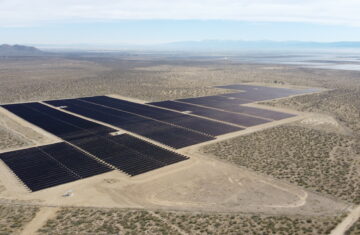
Developed by First Solar, the 110-megawatt (MW) Sunshine Valley Solar Farm contributes to Nevada’s renewable energy portfolio while operating within the state’s framework for responsible desert development. According to generation data from the U.S. Energy Information Administration (EIA), the facility produces enough electricity to power approximately 33,000 homes, supporting NV Energy‘s compliance with Nevada’s renewable portfolio standard. Its location in Nye County, an area with some of the highest solar irradiance levels in the United States, positions it to maximize energy production while adhering to conservation guidelines for desert ecosystems.
Development Timeline
The project’s development followed Nevada’s streamlined yet thorough permitting process. Development activities began in 2019, with the project receiving approval from the Nye County Commission in 2021 after comprehensive environmental review. Construction commenced in 2022, achieving commercial operation in 2024, as documented in NV Energy resource planning filings. This timeline included extensive consultation with state wildlife agencies and local stakeholders to ensure the project balanced energy development with environmental protection in the sensitive desert landscape.
Technology & Innovation
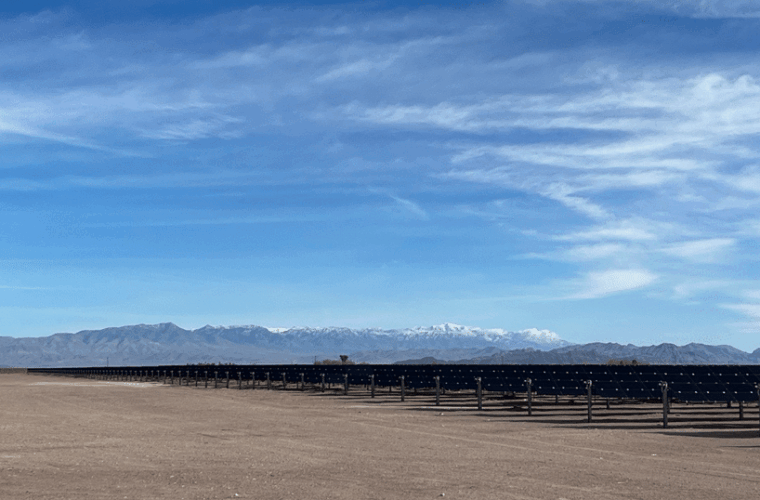
Sunshine Valley Solar utilizes single-axis tracking systems with advanced thin-film cadmium telluride (CdTe) photovoltaic modules, specifically engineered for high-temperature desert performance. According to technical reports from the National Renewable Energy Laboratory (NREL), this technology demonstrates superior performance in hot, arid conditions compared to conventional silicon panels. The project incorporates water-free robotic cleaning systems and specialized dust mitigation technology that reduces water consumption by 90% compared to traditional solar facilities. Advanced inverters with grid-forming capabilities provide essential reliability services to the local grid, particularly valuable in remote desert locations.
Challenges & Controversies
The project faced significant challenges related to desert conservation and wildlife protection. Environmental groups including the Center for Biological Diversity raised concerns about impacts on desert tortoise habitat and potential disruption of wildlife corridors. The resolution involved implementing a comprehensive Habitat Conservation Plan developed with the Nevada Department of Wildlife that included creating protected habitat areas, establishing wildlife corridors, and implementing a successful desert tortoise translocation program. The project also addressed water conservation concerns through completely water-free operations and implemented measures to minimize light pollution in the region known for dark night skies.
Community & Economic Impact
For Nye County, where economic opportunities are limited, the project has delivered meaningful benefits. During construction, the project typically employed 200-250 workers, with strong local hiring preferences for county residents. For ongoing operations, it maintains 8-10 permanent positions. Based on Nye County’s tax assessment models for utility-scale solar, the project likely contributes approximately $500,000-$600,000 annually in property tax revenue to local governments and school districts. Additionally, it provides stable lease payments to local landowners, creating a reliable income source that complements other economic activities in the region and provides financial stability for rural families.
Future Outlook
With an expected operational lifespan of 30+ years, the Sunshine Valley Solar Farm represents a long-term commitment to both clean energy and desert conservation. The project’s innovative approach to water conservation and environmental mitigation sets new standards for solar development in arid regions. As technology advances, the site may incorporate energy storage systems to enhance its grid value or be repowered with more efficient panels. The project’s success in balancing energy development with environmental protection provides a model for future renewable projects in sensitive desert ecosystems, demonstrating that clean energy goals can be achieved while respecting and preserving Nevada’s unique natural heritage.
See also at Nye: Crescent Dunes Solar Energy