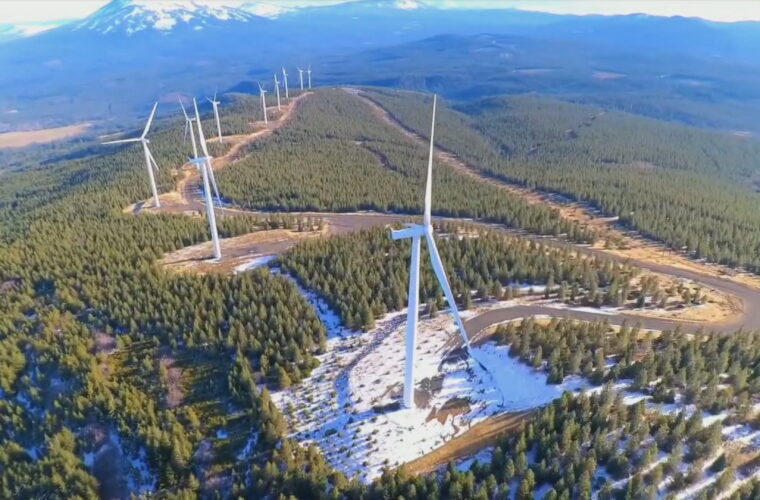
Hatchet Ridge Wind Project represents a strategic endeavor to harness a unique wind resource for the state’s renewable energy goals. Its location distinguishes it from the sprawling plains-based wind farms more common in the Midwest, demonstrating the technological adaptability of wind power to diverse geographies. The project plays a crucial role in providing locally generated clean energy to a region often dependent on imported power, enhancing grid reliability while contributing to California’s ambitious climate targets.
Significance & Context
The Hatchet Ridge Wind Project is a significant power generator in Northern California. With an operational capacity of 101 megawatts (MW), the facility produces enough electricity to power approximately 30,000 homes. This output provides a valuable, non-hydroelectric renewable resource within the California Independent System Operator (CAISO) grid, helping to meet the state’s Renewable Portfolio Standard. By displacing fossil fuel-based generation, the project avoids an estimated 200,000 metric tons of carbon dioxide emissions annually, contributing to improved regional air quality and the state’s broader decarbonization efforts.
Development Timeline
The development of the Hatchet Ridge Wind Project was a protracted process, facing numerous hurdles from conception to completion. Initially proposed in the mid-2000s, the project underwent a lengthy and complex permitting phase. Construction finally commenced in 2009 but was halted due to the developer’s financial difficulties. After being acquired by Pattern Energy, construction resumed, and the project ultimately achieved commercial operation in 2012, marking the end of a multi-year journey to bring the project online.
Technology & Innovation
The Hatchet Ridge Wind Project utilizes specialized turbine technology suited to its mountainous environment. The site is equipped with 44 General Electric 2.3-100 turbines. These machines were selected for their ability to perform on a ridgeline site with complex wind patterns and logistical challenges. The project’s construction required innovative engineering for building access roads and foundations on steep slopes, showcasing the adaptability of wind energy development beyond flat terrain.
Challenges & Controversies
The Hatchet Ridge Wind Project faced significant and multifaceted challenges. The most prominent was substantial local opposition, primarily centered on concerns about the project’s visual impact on the scenic landscape and its potential threat to avian species, including bald and golden eagles. This opposition led to legal challenges and delays. The conflict was resolved through a settlement agreement that included adaptive management plans and funding for local conservation efforts, a compromise that allowed the project to proceed while addressing key environmental concerns.
Community & Economic Impact
The Hatchet Ridge Wind Project has delivered tangible economic benefits to Shasta County. During its active construction phases, the project typically employed over 150 workers, providing a boost to the local economy. In its operational phase, it typically employs a team of local technicians for maintenance, creating skilled, long-term jobs. The project likely contributes significant annual property tax revenue, which is essential for funding local services in a rural county. Additionally, the project provides lease payments to landowners, creating a new revenue stream.
Future Outlook
As a key renewable asset in Northern California, the Hatchet Ridge Wind Project has a stable operational future, selling its power under long-term contracts. However, its location in a sensitive environmental area necessitates ongoing monitoring and mitigation efforts, particularly for avian life. As the turbines approach the middle of their operational lifespan, the site’s future may involve discussions about repowering with newer, potentially less impactful technology or eventual decommissioning, guided by the original settlement terms and continued community engagement.
At Nolan County you can find also: South Trent Wind Farm