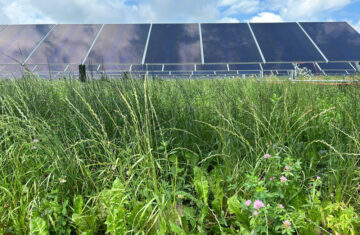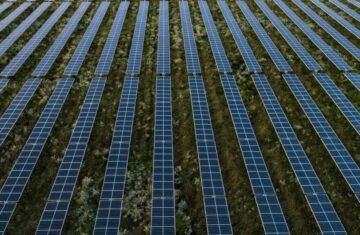
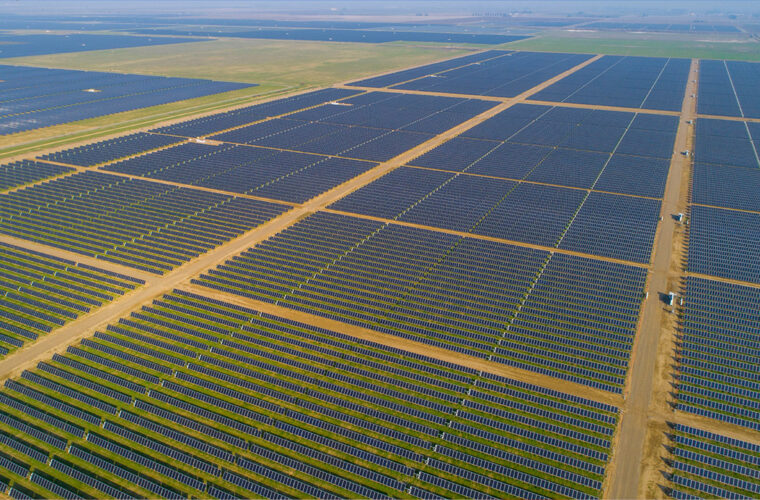
Great Valley Solar Portfolio represents a innovative approach to distributed solar development that balances renewable energy generation with the preservation of California’s vital agricultural industry. This portfolio demonstrates how strategically sited, smaller-scale solar projects can collectively contribute significant clean energy capacity while minimizing impacts on prime farmland and supporting rural communities.
Significance & Context
Developed by Intersect Power, the 250-megawatt (MW) Great Valley Solar Portfolio comprises multiple strategically located projects that collectively generate enough electricity to power approximately 90,000 homes. According to data from the California Energy Commission, the distributed nature of these facilities allows them to connect to existing grid infrastructure while minimizing the need for new transmission lines. Their locations across Fresno County position them to serve local load centers directly while operating within the framework of California’s Sustainable Agricultural Lands Conservation Program, which aims to protect prime farmland while supporting renewable energy development.
Development Timeline
The portfolio’s development involved coordinated planning across multiple sites. Development activities began in 2018, with individual projects receiving approval from the Fresno County Department of Public Works and Planning between 2019 and 2021. Construction occurred in phases from 2020 through 2022, with full commercial operation achieved by 2023, as documented in Pacific Gas & Electric interconnection records. This staggered approach allowed for optimized resource allocation and continuous community engagement while minimizing simultaneous disruption across multiple communities.
Technology & Innovation
The portfolio utilizes single-axis tracking systems with bifacial photovoltaic modules across all sites, chosen for their balance of efficiency and compatibility with agricultural surroundings. According to research from the University of California, Davis, this technology configuration increases energy yield while allowing sufficient light penetration for compatible agricultural activities. The projects incorporate advanced inverters with grid-support functionality and distributed energy resource management systems that allow for coordinated operation across multiple sites, providing enhanced grid services and reliability benefits compared to single large facilities.
Challenges & Controversies
The portfolio faced significant challenges related to agricultural land preservation and concerns about cumulative impacts across multiple sites. The California Farm Bureau Federation and local agricultural groups raised concerns about the conversion of farmland and potential impacts on agricultural operations. The resolution involved implementing a comprehensive Agricultural Compatibility Strategy that included using mostly marginal lands, implementing dual-use agrivoltaic systems where appropriate, and establishing larger setbacks from active farming operations. The developer also created an Agricultural Mitigation Fund to support local farmland preservation efforts and address concerns about cumulative impacts on the agricultural economy.
Community & Economic Impact
For Fresno County communities, the portfolio has delivered distributed economic benefits across multiple regions. During construction, the projects typically employed 400-500 workers collectively, with local hiring preferences in each community. For ongoing operations, they maintain 20-25 permanent positions across the portfolio. Based on Fresno County’s tax assessment models, the projects likely contribute approximately $2-2.5 million annually in combined property tax revenue to local governments and school districts. The distributed nature of the projects means multiple landowners receive lease payments, creating broader economic benefits across the county rather than concentrating them in a single location.
Future Outlook
With an expected operational lifespan of 30+ years, the Great Valley Solar Portfolio represents a long-term, distributed approach to renewable energy development in agricultural regions. The portfolio’s success in balancing multiple sites while minimizing agricultural impacts provides a model for future distributed solar development. As technology advances, individual sites may incorporate energy storage or be repowered with more efficient panels. The portfolio approach allows for flexibility in managing each site’s evolution while maintaining overall energy production. This distributed model demonstrates how renewable energy development can support rural communities while preserving agricultural resources, providing a template for sustainable energy development that respects California’s farming heritage.
See also at Fresno: Henrietta Solar Project