
The Energy Transition in the United States: Navigating the Path to a Sustainable Future
As the world grapples with the pressing challenge of climate change, the United States has taken significant strides in its energy transition, moving towards a future powered by renewable and sustainable sources. This article explores the current landscape of the energy transition in the US, highlighting key statistics, policies, and the path forward.
The Shifting Energy Mix
According to the U.S. Energy Information Administration (EIA), the energy mix in the US has undergone a notable transformation in recent years. In 2022, renewable energy sources, including solar, wind, hydroelectric, and geothermal, accounted for approximately 20% of the total U.S. electricity generation, up from just 10% a decade ago.
Renewable Energy Expansion
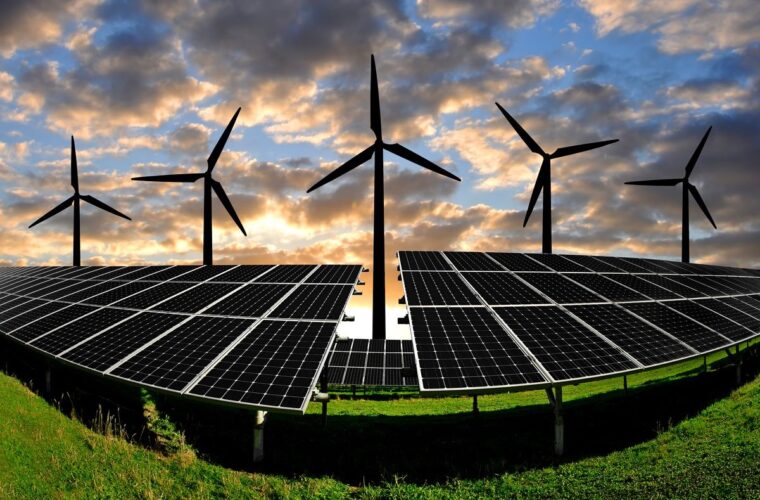
The growth in renewable energy has been particularly significant in the solar and wind sectors. The Solar Energy Industries Association (SEIA) reports that the US installed a record 27.2 gigawatts (GW) of solar capacity in 2022, a 33% increase from the previous year. Meanwhile, the American Wind Energy Association (AWEA) states that the US now has over 122 GW of installed wind power capacity, making it the second-largest wind power market in the world.
Fossil Fuel Transition
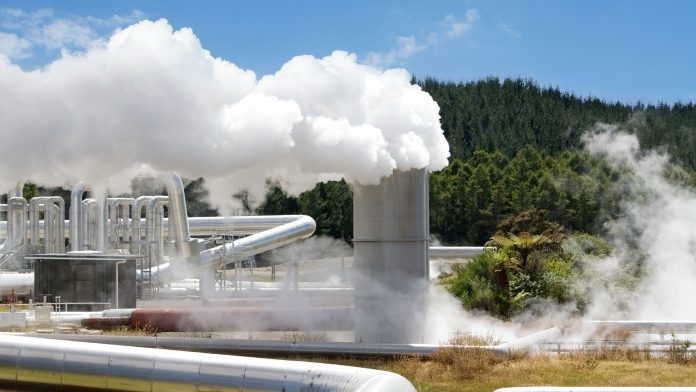
Alongside the rise of renewable energy, the US has also seen a gradual shift away from traditional fossil fuels, such as coal and natural gas. According to the EIA, coal-fired power generation has decreased from 45% of the total US electricity mix in 2010 to just 20% in 2022. Conversely, natural gas-fired generation has increased from 24% to 38% over the same period, as it continues to play a significant role in the energy transition.
Policy Drivers and Incentives
The energy transition in the US has been driven by a combination of federal and state-level policies, as well as various financial incentives and market mechanisms.
Federal Initiatives
At the federal level, the Biden administration has made the energy transition a key priority, with the implementation of policies such as the Inflation Reduction Act (IRA) of 2022. The IRA includes $369 billion in investments for clean energy and climate change mitigation, including tax credits for renewable energy projects, electric vehicles, and energy efficiency improvements.
Additionally, the U.S. Department of Energy (DOE) has set ambitious targets, such as achieving 100% carbon-free electricity by 2035 and reaching net-zero emissions economy-wide by 2050.
State-Level Policies
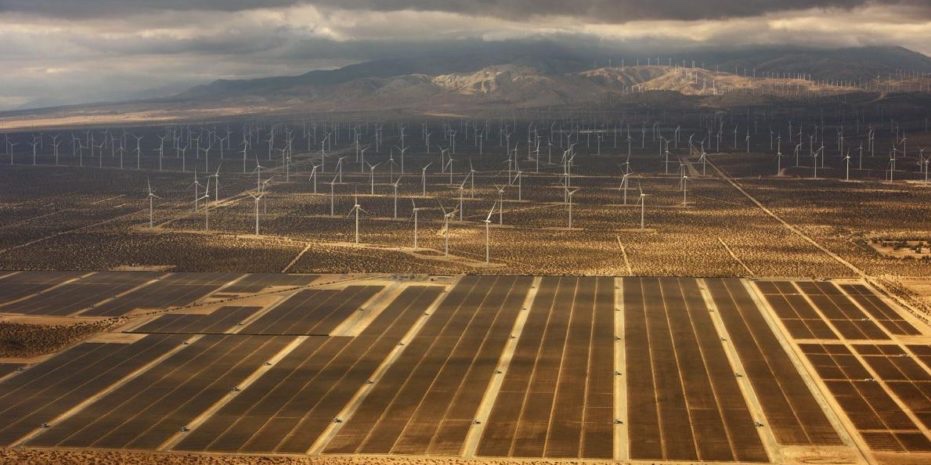
Many states have also taken proactive steps to accelerate the energy transition. For example, California has set a goal of achieving 100% carbon-free electricity by 2045, while New York aims to reach 70% renewable electricity generation by 2030. These state-level policies often include renewable portfolio standards, which mandate a certain percentage of electricity to be generated from renewable sources.
Financial Incentives
To support the energy transition, various financial incentives and market mechanisms have been implemented. These include tax credits, grants, and rebates for renewable energy projects, energy efficiency upgrades, and electric vehicle purchases. For instance, the federal Investment Tax Credit (ITC) provides a 30% tax credit for the installation of solar energy systems.
Challenges and Barriers
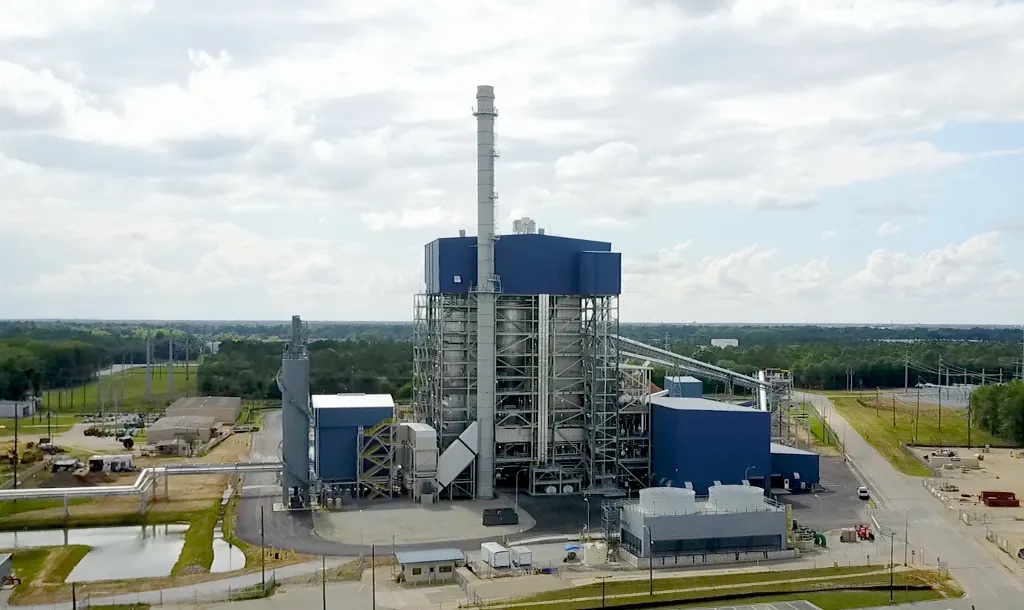
While the energy transition in the US has made significant progress, there are still several challenges and barriers that must be addressed.
Grid Infrastructure
One of the primary challenges is the need to modernize and expand the country’s aging electrical grid infrastructure. The existing grid was not designed to accommodate the intermittent nature of renewable energy sources, requiring significant investments in transmission lines, energy storage, and grid management technologies.
Cost Competitiveness
Despite the declining costs of renewable energy technologies, fossil fuels still maintain a cost advantage in certain regions and applications. Ensuring the long-term cost competitiveness of renewable energy is crucial for the continued growth of the sector.
Public Acceptance and Equity
Ensuring a just and equitable energy transition is also a key concern. Some communities may face disproportionate impacts from the shift away from fossil fuels, requiring targeted policies and programs to support affected workers and communities.
The Path Forward
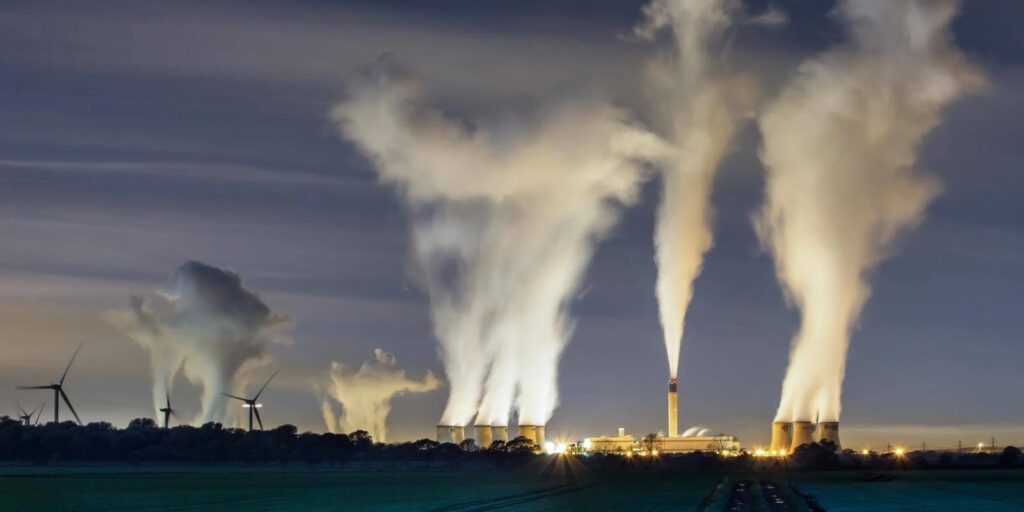
As the US continues to navigate the energy transition, several key focus areas emerge:
Accelerating Renewable Energy Deployment
To achieve the nation’s clean energy goals, the pace of renewable energy deployment must continue to accelerate. This will require sustained policy support, investment in grid modernization, and innovation in renewable energy technologies.
Enhancing Energy Efficiency
Improving energy efficiency across various sectors, including buildings, transportation, and industry, can significantly reduce energy demand and complement the growth of renewable energy sources.
Advancing Energy Storage Solutions
Developing and deploying advanced energy storage technologies, such as batteries, pumped-storage hydroelectricity, and long-duration storage, will be crucial for integrating higher levels of renewable energy into the grid.
Innovation and Research
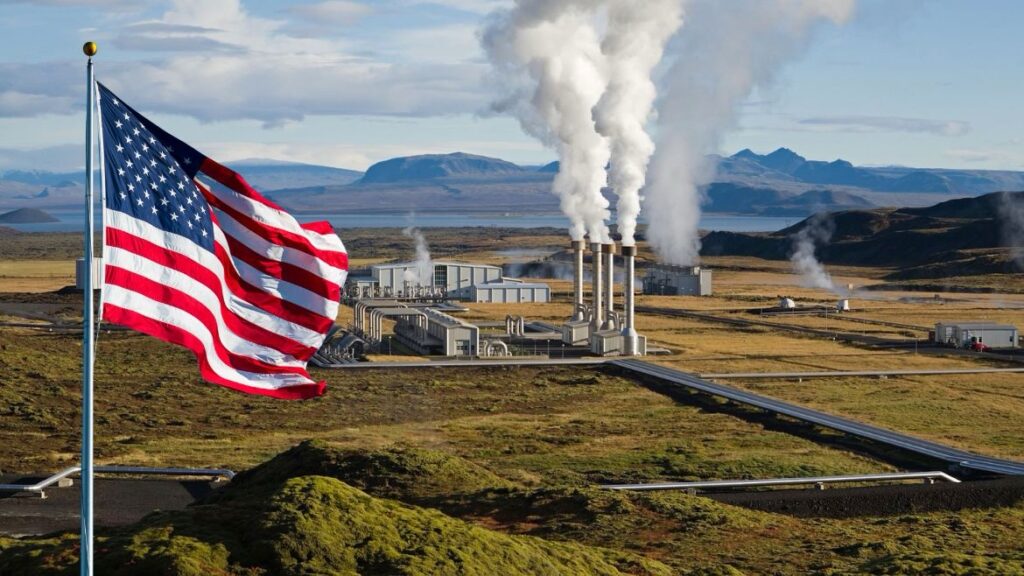
Continued investment in research and development (R&D) for emerging clean energy technologies, such as advanced nuclear, carbon capture and storage, and hydrogen, can help diversify the energy portfolio and unlock new pathways for decarbonization.
Ensuring a Just Transition
Addressing the social and economic impacts of the energy transition, particularly on fossil fuel-dependent communities, will be essential for achieving a fair and equitable outcome.
Conclusion
The energy transition in the United States is well underway, driven by a combination of policy initiatives, technological advancements, and market forces. While significant progress has been made, the path forward will require a sustained and comprehensive effort to overcome challenges, accelerate the deployment of renewable energy, and ensure a just and equitable transition. By embracing this challenge, the US can position itself as a global leader in the fight against climate change and secure a sustainable energy future for generations to come.