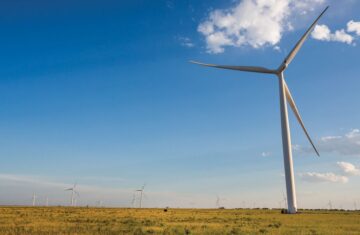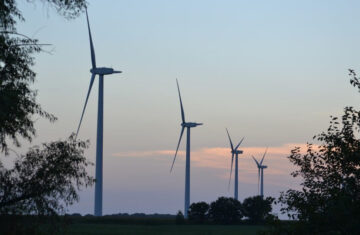
Big Sky Wind Farm stands as a foundational pillar of the state’s renewable energy economy. As one of the earliest and largest wind projects in Illinois, it played a crucial role in proving the commercial viability and community benefit of utility-scale wind development in the Midwest, paving the way for the state’s subsequent leadership in the sector.
Significance & Context
The Big Sky Wind Farm, developed by Horizon Wind Energy (later acquired by EDP Renewables), was a landmark project that helped catalyze Illinois’s wind industry. With a substantial installed capacity of 240 megawatts (MW), the facility generates enough electricity to power approximately 75,000 Illinois homes annually, based on calculations from the U.S. Energy Information Administration (EIA). When it began operations, it was among the largest wind farms east of the Mississippi River. Its output feeds into the PJM Interconnection grid, contributing to regional clean energy targets tracked by the Illinois Power Agency (IPA).
Development Timeline
The project’s development marked a pioneering phase for Illinois wind. Initial land acquisition and community engagement in Bureau County began in the early 2000s. After navigating new local zoning ordinances and securing permits, construction commenced in 2008. The Big Sky Wind Farm was completed and achieved commercial operation in two phases, with the final phase coming online in 2009, a timeline confirmed by its listing in the U.S. Wind Turbine Database and coverage in the Chicago Tribune.
Technology & Innovation
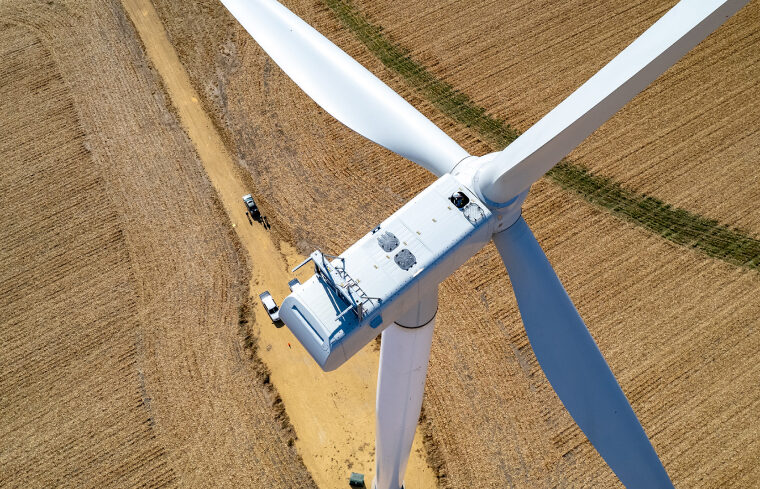
For its time, the project deployed some of the largest turbines available, featuring 114 Vestas V82-1.65 MW turbines. The 82-meter rotor diameter was considered large for the era. The project’s scale provided an early model for integrating hundreds of megawatts of wind into the grid, a topic later studied by the National Renewable Energy Laboratory (NREL) on grid integration.
Challenges & Controversies
A primary challenge was introducing and securing approval for a project of unprecedented scale in a county with no existing framework. This required creating the first county-wide wind energy ordinance from scratch. The hurdle was resolved through an extensive public process led by the Bureau County Board. After numerous hearings, the board adopted a comprehensive wind ordinance, establishing the regulatory template for future projects. The ordinance and related decisions are accessible through county records.
Community & Economic Impact
For Bureau County, the wind farm has been an economic cornerstone. During its peak construction, the project typically employed over 400 workers, according to industry models from the American Clean Power Association. Its enduring impact is the tens of millions in property tax revenue generated over its lifespan, transforming the county’s budget, as detailed in Bureau County financial reports. Furthermore, it provides long-term, guaranteed lease payments to participating farmers, a benefit for the agricultural economy supported by the University of Illinois Extension.
Future Outlook
As a mature asset, the Big Sky Wind Farm is now entering the era where repowering is a serious consideration. Replacing its original turbines with modern models could potentially double or triple the site’s output, a strategy analyzed in NREL reports on wind plant modernization. This would trigger a new wave of local investment and refreshed revenue streams, aligning with Illinois’s clean energy goals under the Climate and Equitable Jobs Act (CEJA) and PJM’s long-term planning, accessible through PJM’s Regional Transmission Expansion Plan (RTEP).
At Dickinson County you can find also: Lost Lakes Wind Farm