The polls have closed in Australia’s general election, and the vote counting is officially underway in the country’s populous eastern states! While those on the west coast have a couple more hours to cast their ballots, the tallying has already begun, and the nation is holding its breath. The future of Australia’s energy sector and its commitment to renewables hangs in the balance.
Prime Minister Anthony Albanese and his rival, Peter Dutton, spent their Saturday making their final pitches to voters in Melbourne, a city known for being electorally crucial. Albanese later returned to Sydney, while Dutton headed back to Brisbane to cast their votes.
Albanese was accompanied by his fiancée, Jodie Haydon, and his son, Nathan, as he greeted supporters at his local polling station. Dutton arrived with his wife, Kirilly, and their children, Rebecca, Tom, and Harry, to vote in his own constituency.
As the Australian Electoral Commission tallies the votes, the leaders will address their party gatherings in Sydney and Brisbane. Traditionally, leaders concede defeat or claim victory on election day, so tensions are high!
Energy policy and inflation have been major talking points throughout the campaign, with both sides acknowledging the cost-of-living crisis facing the country. The debate over renewables and traditional energy sources has been particularly heated.
Dutton’s conservative Liberal Party is blaming government waste for fueling inflation and increasing interest rates. They’ve pledged to cut more than one in five public service jobs to reduce government spending.
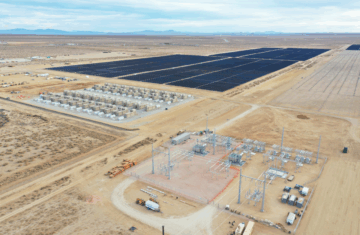
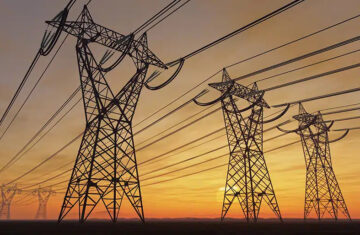
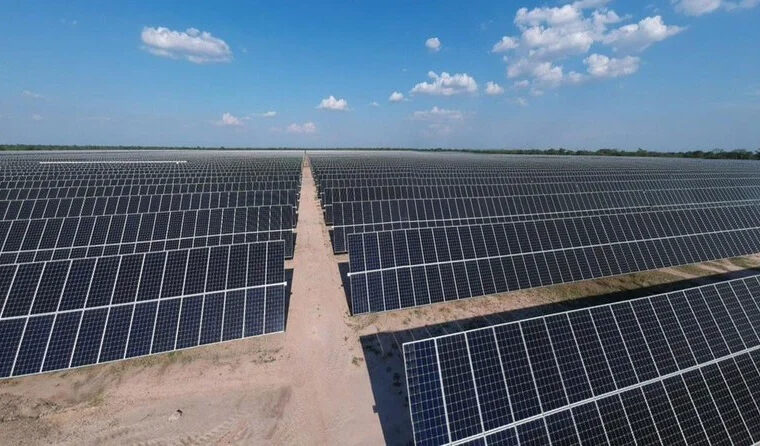
While both leaders agree that Australia should reach net-zero greenhouse gas emissions by 2050, they differ on the approach to energy. Dutton argues that relying on nuclear power instead of renewable energy sources like solar and wind would deliver less expensive electricity. This stance has put renewables at the forefront of the election debate.
Labor has criticized Dutton, branding him “Doge-y Dutton” and accusing his party of mimicking US President Donald Trump and his Department of Government Efficiency. Their focus is on continuing to invest in renewable energy projects.
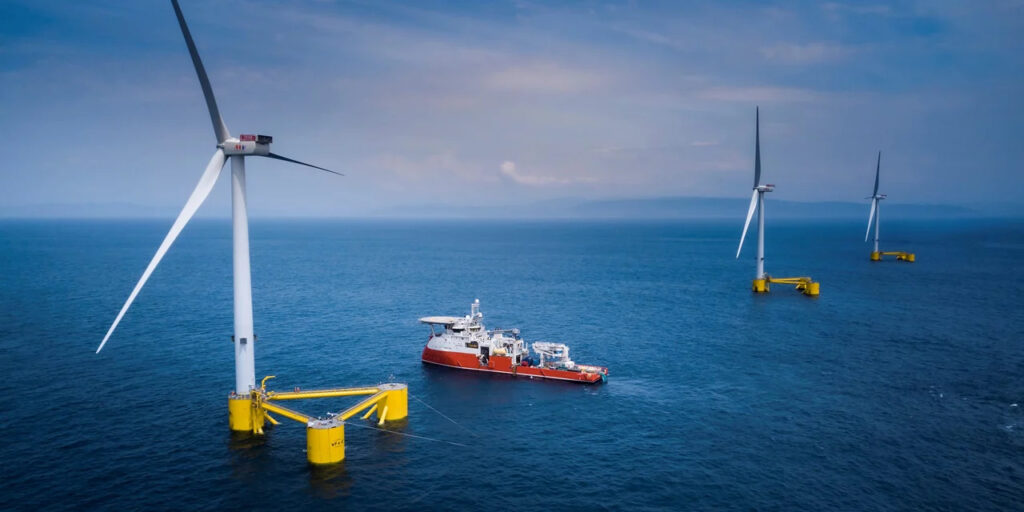
Albanese argues that Dutton’s administration would slash essential services to fund its nuclear ambitions. “We’ve seen the attempt to run American-style politics here of division and pitting Australians against each other, and I think that’s not the Australian way,” Albanese said. He emphasizes Labor’s commitment to a renewable energy future.
Albanese also highlighted his government’s success in improving relations with China. Since Labor came to power in 2022, China has removed a series of official and unofficial trade barriers that had cost Australian exporters 20 billion Australian dollars a year. This has implications for Australia’s energy exports as well.
Dutton is aiming to become the first political leader to oust a first-term government since 1931, a time when Australians were struggling through the Great Depression. His focus on nuclear energy is a key part of his strategy.
“Absolutely, I do,” Dutton told reporters in Melbourne when asked if he believed his conservative coalition could win the election. “I’m confident that Australians have seen through a bad government, and I’m confident that Australians can’t afford three more years of what they’ve experienced, and there are a lot of families who are really doing it very tough at the moment,” Dutton said after voting in Brisbane. His emphasis on affordable energy resonates with many voters.
Albanese was asked about Labor’s chances of securing a second three-year term. “We take absolutely nothing for granted until the results are in,” Albanese said. He continues to champion renewable energy as the path forward.
If Albanese wins, he will become the first Australian prime minister to win successive elections in 21 years, a feat that would solidify his place in Australian political history. His commitment to renewables is a defining aspect of his platform.
As the vote counting continues, the nation waits to see who will lead Australia into the future. The results will have significant implications for the country’s energy policy, economy, and international relations. The future of renewables in Australia is on the line.