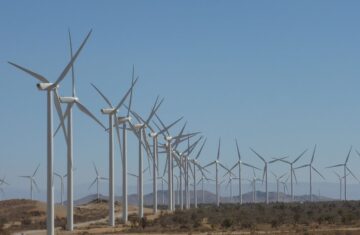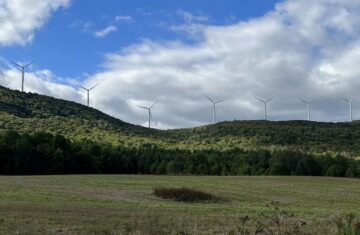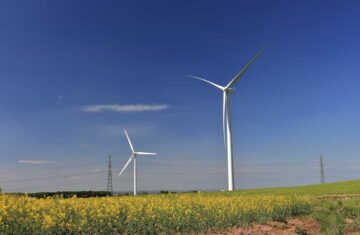
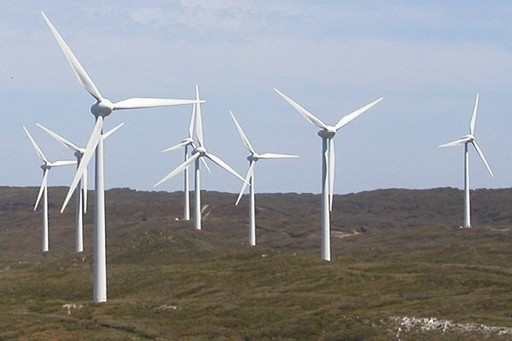
High Plains Wind Farm is a testament to the state’s strategic role as a powerhouse for the nation’s clean energy transition. This project captures the immense wind resources of the high plains, transforming them into a significant export commodity that powers distant urban centers while forging a new economic partnership between energy developers and the state’s foundational agricultural community.
Significance & Context
The High Plains Wind Farm, developed by Duke Energy Renewables (now Duke Energy Sustainable Solutions), is a major contributor to the Western power grid. With an installed capacity of 66 megawatts (MW), the facility generates enough clean electricity to power approximately 20,000 homes annually, based on calculations from the U.S. Energy Information Administration (EIA).
This output is significant for Wyoming’s integrated grid and is transmitted via the regional high-voltage network, often serving customers in the Pacific Northwest. Its development underscores Wyoming’s evolution as a multi-resource energy exporter, a transition supported by the Wyoming Energy Authority.
Development Timeline
The project’s development followed a path characteristic of early-to-mid 2000s wind growth in Wyoming. Initial site assessment and landowner negotiations began in the early 2000s. After navigating state and county permitting, including review by the Wyoming Industrial Siting Council (WISC), construction commenced. The High Plains Wind Farm achieved commercial operation in 2008, a date confirmed by its listing in the U.S. Wind Turbine Database, positioning it among the earlier utility-scale wind projects in the state.
Technology & Innovation
For its time, the project employed robust turbine technology engineered for the high-plains environment, featuring 44 Siemens 1.5 MW turbines. The engineering emphasis was on durability to withstand the region’s extreme weather, ensuring high availability. This aligns with operational best practices for harsh climates documented by the National Renewable Energy Laboratory (NREL).
Challenges & Controversies
A significant challenge was navigating the concerns of the local ranching community and addressing potential impacts on wildlife, particularly greater sage-grouse. This hurdle was resolved through proactive engagement and adaptive project design. The developer worked closely with state wildlife agencies, implementing specific habitat mitigation measures. The project’s design allowed for continued cattle grazing, demonstrating compatibility, which helped secure approvals from the Wyoming Industrial Siting Council and county authorities.
Community & Economic Impact
For Albany County, the wind farm provides a valuable source of diversified, long-term revenue. During its construction phase, the project typically employed 100-150 workers, according to industry models from the American Clean Power Association. Its ongoing operation generates a steady stream of property tax revenue for the county, contributing to budgets for schools and services, as detailed in Albany County financial reports.
Most importantly, it provides guaranteed annual lease payments to participating ranchers, creating a drought-resistant income source, a benefit for agricultural economics supported by the University of Wyoming Extension.
Future Outlook
As a mature asset, the High Plains Wind Farm continues its reliable operation. Given its age, it may eventually be considered for repowering, a strategy analyzed in NREL reports on wind plant modernization. Replacing the original turbines with modern models could significantly increase the site’s energy output, extending its economic life for decades. Such a move would align with Wyoming’s energy strategy and the growing demand for its wind resources, ensuring the project remains a relevant and beneficial part of Albany County’s landscape and economy.
At Aroostook County you can find also: Oakfield Wind Project