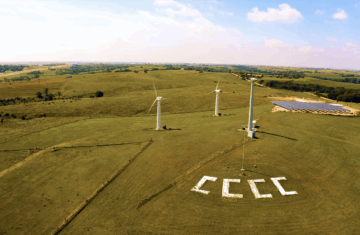

Penascal Wind Power project represents a pioneering advancement in environmentally responsible renewable energy development. This facility stands out for its innovative approach to mitigating wildlife impacts, particularly for migratory birds, setting new standards for wind projects located in sensitive ecological areas.
Significance & Context
The Penascal Wind Power project is a 202-megawatt (MW) facility developed by Pattern Energy in Kenedy County. The project sells its power to CPS Energy, the municipal utility for San Antonio, under a long-term power purchase agreement. With an investment of approximately $300 million, the facility generates enough electricity to power approximately 70,000 Texas homes. Its location in the coastal bird migration corridor presented both a challenge and an opportunity to demonstrate best practices in wildlife coexistence.
Development Timeline
Development for Penascal began in the mid-2000s, with the project receiving considerable attention for its proposed wildlife mitigation strategies. After securing its interconnection agreement with the Electric Reliability Council of Texas (ERCOT) and necessary permits, construction commenced in 2008. The project was built in a single phase and achieved commercial operation in 2009, becoming one of the largest wind farms in Texas at the time.
Technology & Innovation
The project utilizes 84 Siemens 2.4-MW turbines. Its most significant innovation is the implementation of the first avian radar detection system in the United States specifically designed to protect migratory birds. This system, developed in partnership with DeTect Inc., can identify approaching flocks of birds up to four miles away. When birds approach under certain weather conditions, the turbines can be shut down within minutes to prevent collisions, then restarted once the flock has passed.
Challenges & Controversies
The primary challenge was the project’s location in the Central Flyway, a major migration corridor for millions of birds and bats. Environmental groups, including the American Bird Conservancy, expressed strong concerns about potential impacts. Pattern Energy addressed these concerns by collaborating with conservation organizations and wildlife agencies to develop its comprehensive mitigation strategy. The resolution involved not only implementing the radar system but also conducting extensive pre- and post-construction monitoring and avoiding construction in the most sensitive areas identified through environmental surveys.
Community & Economic Impact
The project provides substantial economic benefits to Kenedy County, one of Texas’s most sparsely populated counties. During construction, Penascal Wind Power typically employed over 300 workers. The project continues to support local technicians for operations and maintenance. Over its operational life, the project is projected to generate millions of dollars in tax revenue and landowner payments, providing crucial funding for county services despite the small tax base.
Future Outlook
Now well-established, Penascal continues to operate as a model for environmentally conscious wind development. Its successful integration of radar technology has influenced subsequent projects in sensitive areas. As analyzed by the U.S. Energy Information Administration (EIA), the project demonstrates that wind energy can be developed responsibly in ecologically significant regions. As the facility ages, its proven track record and infrastructure position it well for potential future repowering, ensuring its continued contribution to Texas’s energy mix while maintaining its commitment to environmental stewardship.
At Sherman County you can find also: Hay Canyon Wind Power