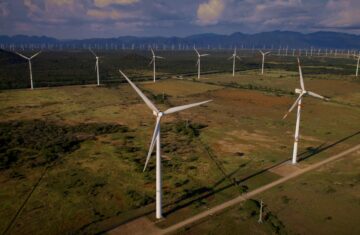
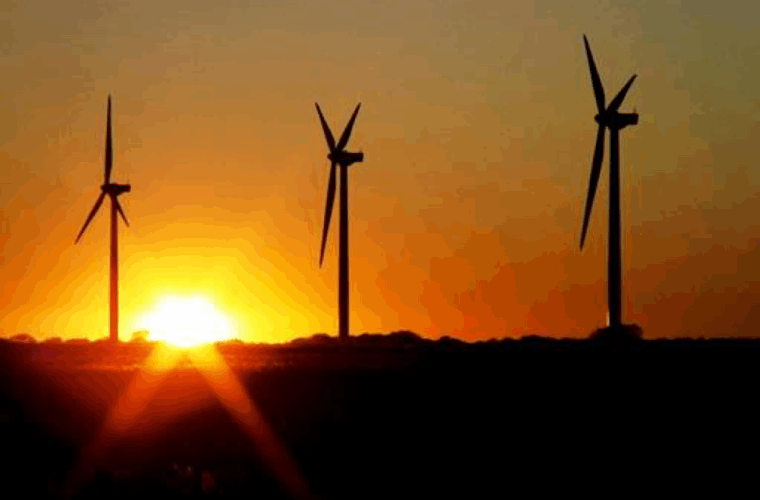
Pattern Gulf Wind project represents a significant development in a region with some of the state’s most productive wind resources. This facility contributes to the dense concentration of renewable energy in the ERCOT market while navigating the unique environmental considerations of the Gulf Coast region.
Significance & Context
The Pattern Gulf Wind project is a 118-megawatt (MW) facility developed by Pattern Energy Group in Kenedy County. The project sells its power into the ERCOT wholesale market, competing to provide cost-competitive electricity for Texas consumers. With an investment of approximately $150 million, the facility generates enough electricity to power approximately 36,000 Texas homes. Its location capitalizes on the strong, consistent winds that characterize the South Texas coastal region.
Development Timeline
Development for Pattern Gulf Wind began with land acquisition and wind resource assessment in 2014. The project successfully secured its interconnection agreement with the Electric Reliability Council of Texas (ERCOT), a status documented in the public ERCOT Generation Interconnection Queue. After finalizing its financial structure and securing all necessary permits, construction commenced in early 2016. The project achieved commercial operation in late 2017.
Technology & Innovation
The project utilizes 47 Siemens Gamesa 2.37-MW turbines, selected for their reliability in the coastal wind regime. A notable aspect of the project’s design is its implementation in a region known for its relatively low wind shear, meaning wind speed remains more consistent with height compared to other regions. This characteristic allows for slightly shorter turbine towers while maintaining efficient energy production, representing an optimization specific to the Gulf Coast environment.
Challenges & Controversies
A significant challenge for the project was addressing potential impacts on migratory birds and bats in the coastal flyway, a concern for conservation groups monitoring the environmentally sensitive region. Pattern Energy worked with wildlife agencies and conservation organizations to implement a comprehensive Avian and Bat Protection Plan. This included conducting pre- and post-construction monitoring studies and employing potential operational curtailment during key migration periods to minimize wildlife interactions.
Community & Economic Impact
The project provides a substantial economic benefit to Kenedy County, one of Texas’s most sparsely populated counties. During peak construction, Pattern Gulf Wind typically employed over 200 workers. The project now supports a local team for operations and maintenance. Over its 25-year operational life, the project is projected to generate millions of dollars in new tax revenue and landowner payments. This revenue will likely contribute significantly to the county’s budget, providing crucial funding for local services despite the small tax base.
Future Outlook
As a fully operational asset, Pattern Gulf Wind is positioned for long-term contribution to the ERCOT grid. Its performance adds valuable data on wind generation in the South Texas coastal region. The project’s established infrastructure makes it a potential candidate for future repowering. As analyzed by the U.S. Energy Information Administration (EIA), such life-extension projects could eventually boost the site’s output with more powerful turbines, ensuring it remains a competitive power source for decades to come.
At Shasta County you can find also: Hatchet Ridge Wind Project