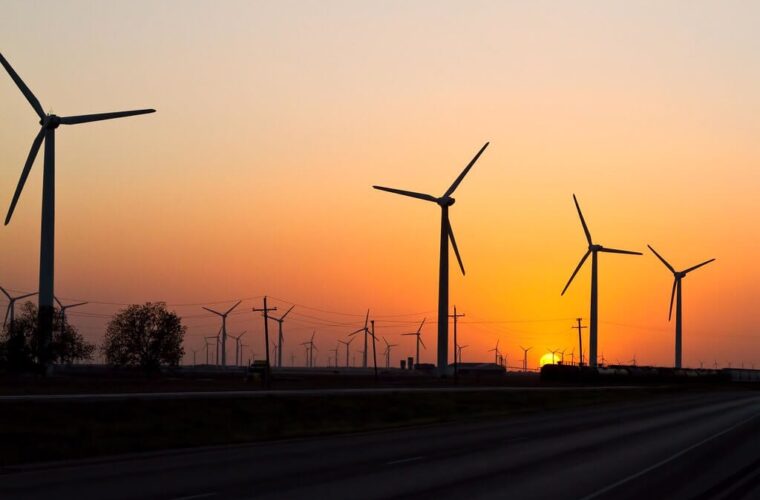
In the rugged terrain of West Texas, the Buffalo Gap Wind Farm stands as a monumental testament to the state’s dominance in wind energy production. As one of the largest wind power facilities in the United States, this sprawling project exemplifies the massive scale and strategic importance of renewable energy in the ERCOT grid. Developed across multiple phases, Buffalo Gap has played a crucial role in transforming Texas into a global wind energy leader while creating a sustained economic engine for its rural host communities.
Significance & Context
The Buffalo Gap Wind Farm is a cornerstone asset within the Electric Reliability Council of Texas (ERCOT) grid, contributing significantly to the state’s nation-leading wind generation capacity. Its development coincided with Texas’s strategic push to expand its renewable portfolio, supported by the state’s Renewable Portfolio Standard and the subsequent Competitive Renewable Energy Zones (CREZ) transmission initiative. The project’s massive output helps offset carbon-intensive generation and provides a cost-competitive power source for millions of Texans, a contribution tracked by the U.S. Energy Information Administration (EIA).
Development Timeline
Development of the Buffalo Gap Wind Farm occurred in multiple phases between 2006 and 2009, capturing the rapid technological evolution of the wind industry during this period. Key milestones included securing extensive land leases across Taylor and Nolan Counties, navigating local permitting processes, and coordinating interconnection with the evolving transmission infrastructure. The phased construction approach allowed for the incorporation of progressively larger and more efficient turbine technology with each successive stage.
Technology & Innovation
The Buffalo Gap Wind Farm showcases the rapid technological advancement of wind power, with its later phases featuring turbines with significantly greater capacity and efficiency than its initial units. The project utilized a diverse fleet of turbines, with nameplate capacities increasing from approximately 1.5 MW in early phases to over 2 MW in later installations. This multi-technology approach provided valuable operational data on turbine performance and reliability in the demanding West Texas environment.
Challenges & Controversies
A significant challenge for the Buffalo Gap project was managing the complex logistics of constructing a massive wind farm in a remote region with limited infrastructure. Transporting massive turbine components—including blades, towers, and nacelles—required careful planning and coordination. This hurdle was overcome through extensive road upgrades, specialized transportation equipment, and staging components across multiple locations to streamline the construction process across the vast project area.
Community & Economic Impact
For Taylor and Nolan Counties, Buffalo Gap Wind Farm has delivered transformative economic benefits. During its multi-phase construction, the project typically employed hundreds of workers at its peak, providing a substantial boost to local businesses. The permanent operations and maintenance team supports dozens of long-term, skilled technical positions. The project likely contributes millions of dollars annually in property tax revenue and landowner lease payments, providing crucial funding for local schools, emergency services, and infrastructure—a fiscal impact documented by the Texas Comptroller of Public Accounts.
Future Outlook
As one of the pioneering mega-projects of the Texas wind boom, Buffalo Gap Wind Farm represents both the past and future of the state’s energy landscape. With its earliest turbines now approaching two decades of operation, the site presents a compelling opportunity for repowering with modern turbine technology that could dramatically increase its energy output. The project’s enduring legacy is its demonstration that utility-scale wind power can be a reliable, economically beneficial, and foundational component of a diversified energy portfolio, paving the way for Texas’s continued leadership in the renewable energy sector.
Also at Texas: Horse Hollow Wind Energy Center