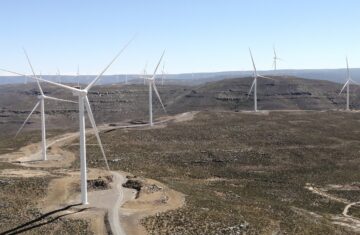
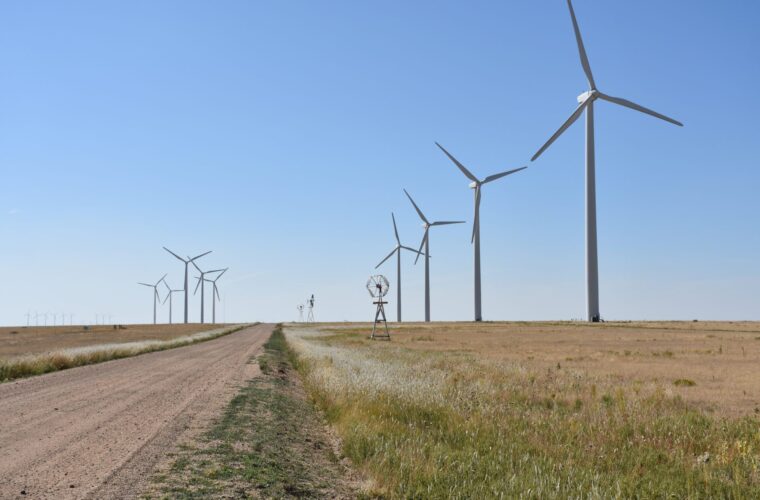
Stretching across the high plains of southeastern Colorado, the Colorado Green Holdings Wind Farm stands as a landmark project that helped catalyze the state’s wind energy industry. As one of the first major wind facilities in Colorado, it demonstrated the commercial viability of harnessing the region’s robust wind resources, paving the way for the state’s subsequent growth into a national renewable energy leader.
Significance & Context
The Colorado Green Holdings Wind Farm is a 162-megawatt (MW) facility located in Prowers County. Developed through a joint venture between GE Energy Financial Services and Shell WindEnergy, the project represented a significant vote of confidence from major energy players in the nascent wind sector. Its power is sold to Xcel Energy Colorado, supporting the utility’s early compliance with the state’s Renewable Portfolio Standard. The facility generates enough electricity to power approximately 52,000 Colorado homes.
Development Timeline
Development for Colorado Green began in the early 2000s, with construction commencing in 2003. The project was a rapid undertaking, achieving commercial operation in 2004. Its development timeline coincided with a period of growing policy support for renewables and improving turbine technology. The project successfully navigated the interconnection process with the Western Area Power Administration (WAPA), feeding its power into the broader Western grid.
Technology & Innovation
At the time of its commissioning, Colorado Green was a showcase for contemporary wind technology, utilizing 108 GE 1.5-megawatt turbines. For its era, the project’s scale was ambitious, demonstrating the logistical capabilities required for utility-scale wind development. Its successful operation in Colorado’s specific climate, which includes significant temperature swings and occasional severe weather, provided valuable real-world data that helped de-risk future investments in the state.
Challenges & Controversies
A significant challenge during development was addressing concerns about the project’s impact on avian wildlife, particularly on the nearby Comanche National Grassland, a concern for groups like the National Audubon Society. To secure permits and ensure environmental stewardship, the developers conducted extensive pre- and post-construction avian studies in consultation with the Colorado Parks and Wildlife agency. The resolution included careful siting of turbines based on bird migration patterns and ongoing monitoring commitments, establishing a precedent for responsible wind development in sensitive ecological areas.
Community & Economic Impact
The project has delivered a substantial and sustained economic benefit to Prowers County. During its construction, Colorado Green typically employed over 200 workers. It continues to support a local workforce for operations and maintenance. Over its operational life, the project has generated tens of millions of dollars in property tax revenue and landowner lease payments. This revenue likely contributes significantly to the budgets of local school districts and county services, while providing ranchers with a stable source of income that is resilient to drought and market fluctuations.
Future Outlook
As one of Colorado’s pioneering wind farms, Colorado Green is now a candidate for repowering. Replacing its original turbines with modern, more powerful models could potentially double the facility’s capacity on the same footprint, a strategy supported by the National Renewable Energy Laboratory (NREL). This would extend the project’s life for decades and significantly boost its output. As analyzed by the U.S. Energy Information Administration (EIA), such modernization of existing sites is a cost-effective path to achieving the state’s ambitious clean energy goals, ensuring this foundational project continues to power Colorado’s future.
Discover also at USA: TransAlta Wyoming Wind