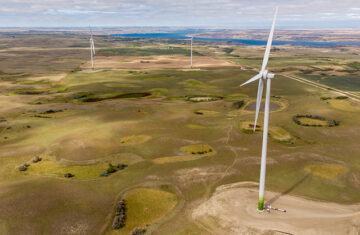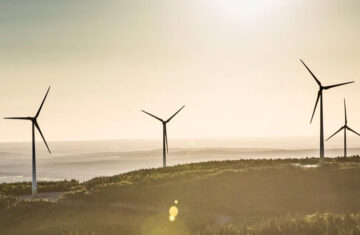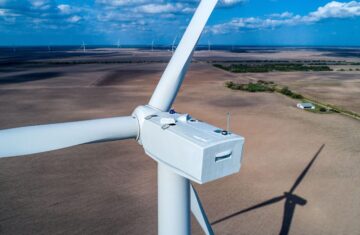
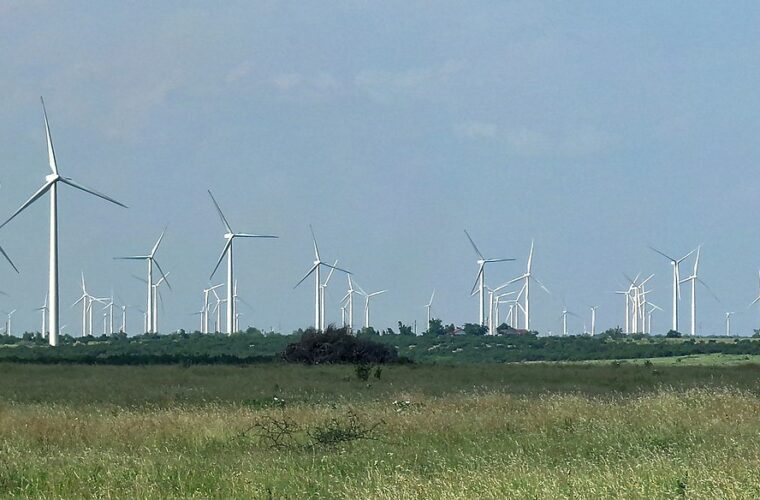
Located in the high plains of West Texas, the Trent Wind Farm represents a significant contributor to the state’s renewable energy dominance. As a major power generator in the ERCOT market, this facility exemplifies the scale and economic impact of modern wind development, providing clean electricity to urban centers while creating a substantial new revenue stream for a rural agricultural community.
Significance & Context
The Trent Wind Farm is a 150-megawatt (MW) facility developed by Apex Clean Energy. The project’s entire output is sold into the ERCOT wholesale market, helping to meet the growing electricity demand of the Texas grid. With an investment of approximately $200 million, the farm generates enough electricity to power roughly 45,000 homes annually. Its operation displaces a significant volume of carbon emissions, equivalent to removing thousands of cars from the road each year, contributing to improved regional air quality.
Development Timeline
Development for the Trent Wind Farm began with land acquisition and wind resource assessment in 2015. The project successfully navigated the ERCOT interconnection process, with its status documented in the public ERCOT Generation Interconnection Queue. After securing power offtake agreements and finalizing county permits, construction commenced in 2018. The project was completed efficiently and achieved commercial operation in the fourth quarter of 2019.
Technology & Innovation
The farm utilizes 2-MW and 3-MW class turbines from Vestas, strategically selected for their efficiency in the region’s wind profile. A key technological feature is the use of a centralized SCADA (Supervisory Control and Data Acquisition) system. This allows for real-time monitoring and control of all turbines from a single location, optimizing performance across the entire facility and enabling rapid response to grid signals from ERCOT, a critical capability for maintaining grid stability.
Challenges & Controversies
A significant challenge during the development phase was addressing concerns from some local residents regarding turbine visibility and potential impacts on property values. The developer addressed this through a proactive and transparent community engagement strategy, which included public open houses, detailed visual simulations, and one-on-one meetings with landowners. The resolution involved agreeing to increased setback distances from non-participating homes where feasible and establishing a clear decommissioning plan filed with the county, providing long-term certainty for the community.
Community & Economic Impact
The project delivers a substantial economic benefit to Nolan County. During the peak construction phase, the Trent Wind Farm typically employed over 200 workers. The project now supports a permanent team of local technicians for operations and maintenance. Over its 25-year operational life, the project likely contributes millions of dollars in new property tax revenue, a vital source of funding for local schools, road maintenance, and emergency services. For the ranchers hosting the turbines, the long-term lease payments provide a stable and drought-resistant source of income, strengthening the agricultural economy.
Future Outlook
As a key operational asset in the ERCOT fleet, the Trent Wind Farm is well-positioned for the long term. Its performance supports the continued growth of wind energy in Texas. The project’s established infrastructure and grid connection make it a potential candidate for future repowering, where older turbines could be replaced with newer, more powerful models to increase output. As noted in the U.S. Energy Information Administration’s (EIA) state profile for Texas, such life-extension strategies will be crucial for maximizing the value of existing wind resources, ensuring the Trent Wind Farm remains a competitive power source for years to come.
There is also at Texas: Desert Sky wind farm