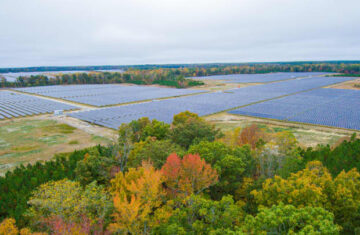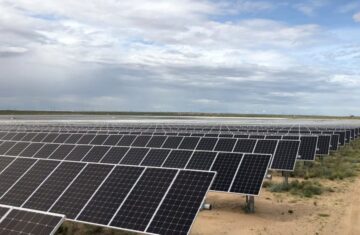
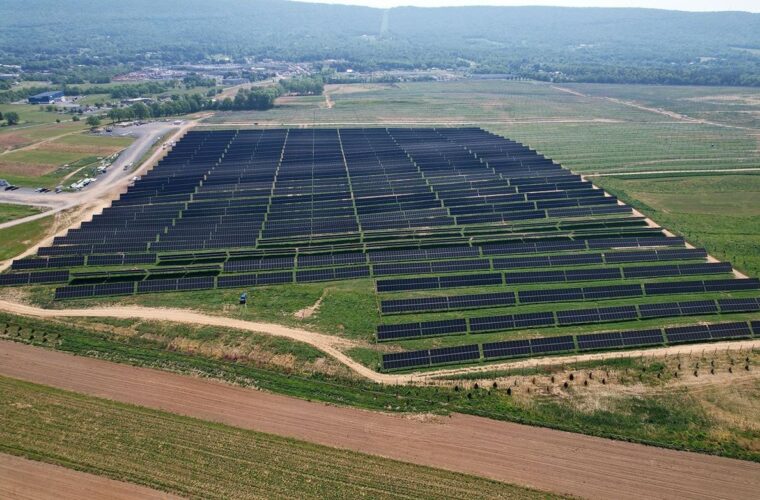
Rising from former agricultural land in Pennsylvania’s Great Valley, the Great Cove Solar project represents a significant step in the state’s strategic energy diversification. As one of the largest solar facilities in the Commonwealth, it demonstrates how renewable energy can create new economic pathways for rural communities while supporting broader decarbonization goals.
Significance & Context
The Great Cove Solar project is a substantial 120-megawatt (MW) facility developed by Invenergy. The project’s entire electrical output is contracted to the Commonwealth of Pennsylvania under a long-term power purchase agreement, a key initiative of the state’s GreenGov initiative to power government operations with clean electricity. With an estimated capital investment of $150 million, the facility will generate enough electricity to power approximately 24,000 homes and will directly displace power from fossil fuel plants on the PJM grid.
Development Timeline
Development for Great Cove Solar began with land acquisition and feasibility studies in 2019. The project successfully secured its interconnection agreement with PJM Interconnection, with its status documented in the public PJM Generator Interconnection Queue. After being selected through the state’s competitive procurement process and securing all necessary local permits, major construction commenced in 2022. The project reached commercial operation and began delivering power to state facilities in late 2024.
Technology & Innovation
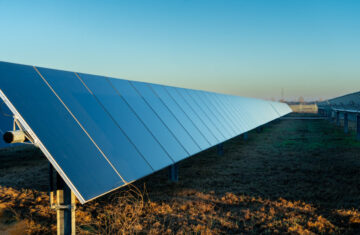
The Great Cove Solar project utilizes bifacial solar panels mounted on single-axis trackers, a combination that maximizes energy production by capturing direct sunlight on the front and reflected light on the rear of the panels. A key innovative feature is its comprehensive agrivoltaic design, which incorporates sheep grazing and pollinator habitats across the site. This approach, supported by research from Penn State Extension, maintains agricultural productivity, supports local ecosystems, and demonstrates a model for dual-use solar development that preserves farmland character.
Challenges & Controversies
A significant challenge for the Great Cove Solar project was navigating Pennsylvania’s complex local permitting landscape and addressing concerns about the conversion of farmland. The project required multiple municipal approvals and faced scrutiny over visual impacts and long-term land use. The developers addressed this through extensive community engagement and by making the agrivoltaic components a central part of their proposal. They also worked with the Pennsylvania Department of Community and Economic Development to demonstrate the project’s alignment with local economic development goals, ultimately securing the necessary approvals.
Community & Economic Impact
The project delivers substantial economic benefits to Fulton County. During peak construction, Great Cove Solar typically employed over 200 workers, providing a significant boost to local businesses. Over its 35-year operational life, the project is projected to generate over $15 million in new property tax revenue. This revenue will likely contribute critically to local school districts and municipal services. For the participating landowners, the long-term lease payments provide a stable source of income, offering financial diversification while allowing much of the land to remain in agricultural production through grazing.
Future Outlook
Now fully operational, Great Cove Solar serves as a long-term clean energy asset for Pennsylvania’s government operations and a model for future renewable development in the state. Its success demonstrates the viability of large-scale solar in Pennsylvania’s regulatory and geographic environment. The project’s infrastructure is designed to be “storage-ready,” with potential for future co-location of battery storage. As analyzed in the U.S. Energy Information Administration’s (EIA) state profile for Pennsylvania, adding storage could enhance the project’s ability to provide power during peak demand periods, further increasing its value to the grid and supporting the state’s energy resilience goals.
Discover also at USA: Wild Springs solar farm