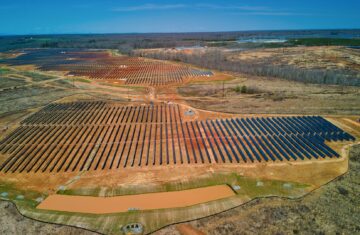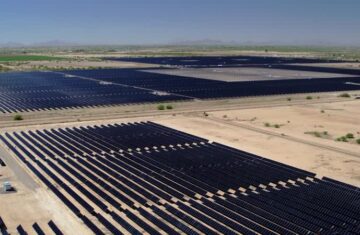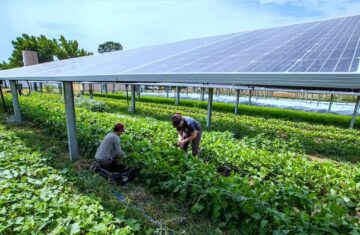
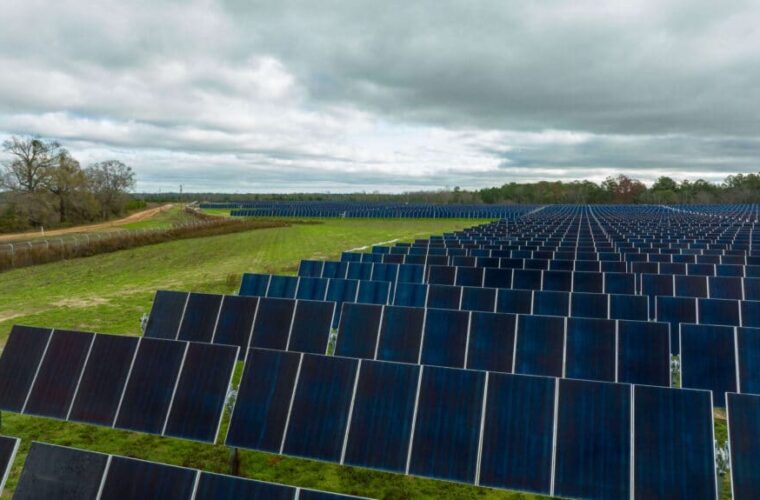
Wildflower Solar project in Mississippi represents a strategic fusion of clean energy generation and ecological stewardship. This utility-scale facility distinguishes itself through a design philosophy that prioritizes environmental harmony alongside power production. By integrating renewable infrastructure with dedicated conservation efforts, Wildflower Solar demonstrates a replicable model for how solar development can actively enhance biodiversity and support agricultural communities while contributing to the state’s energy diversification.
Significance & Context
The Wildflower Solar project is a significant contributor to Mississippi’s power grid, interconnected with utilities operating within the Midcontinent Independent System Operator (MISO) footprint. Its development aligns with a growing corporate and utility demand for renewable energy in the state, supporting economic development objectives tracked by the Mississippi Development Authority. More notably, the project sets a new standard for low-impact solar siting, proving that large-scale generation can be deployed in a manner that protects and even improves local ecosystems.
Development Timeline
Development for Wildflower Solar began in the early 2020s, with a planning process that emphasized early and continuous environmental review. Key milestones included securing land leases from local landowners, navigating county permitting with a focus on habitat conservation, and finalizing a power purchase agreement. Construction commenced in 2023, and the project achieved commercial operation in 2025, following a development period marked by its collaborative approach with conservation groups.
Technology & Innovation
The core innovation of Wildflower Solar is its deeply integrated conservation-first design. While utilizing high-efficiency solar panels on single-axis trackers, the project’s true distinction lies beneath and around the arrays. The site is engineered as a dedicated pollinator sanctuary, planted with a diverse mix of native, deep-rooted perennials. This approach not only supports crucial insect populations but also improves soil health, reduces erosion, and enhances stormwater management compared to traditional gravel or turfgrass. This practice is supported by research from the Xerces Society for Invertebrate Conservation.
Challenges & Controversies
A significant challenge for the Wildflower Solar project was the higher initial cost and specialized knowledge required to establish and maintain the native pollinator habitats. Unlike conventional ground cover, this approach demanded expert agronomic planning and a longer establishment period. The hurdle was resolved by partnering with local conservation agencies and securing grant funding dedicated to habitat restoration, which offset the premium and ensured the long-term viability of the ecological component.
Community & Economic Impact
For the host county, Wildflower Solar delivers multifaceted benefits. During construction, the project typically employed over 150 workers, providing a boost to the local economy. The permanent operations create several long-term positions, including land management roles focused on maintaining the conservation areas. The project likely contributes a substantial increase in property tax revenue, supporting local schools and public services—a fiscal impact recognized by the Mississippi Municipal League. Landowners receive stable lease payments while seeing their property’s ecological value enhanced.
Future Outlook
The successful establishment of Wildflower Solar provides a powerful, data-driven case for conservation-focused solar development across the Southeast. Its operational data on soil health, water management, and pollinator activity will be invaluable for guiding future projects and influencing state policy. The site’s design inherently allows for the future addition of battery storage. Wildflower Solar stands as a testament to a future where energy security and environmental health are not competing interests, but mutually reinforcing goals.
Find also at Mississippi: Harvest Gold Solar