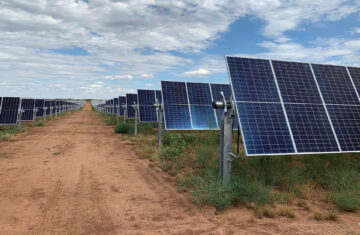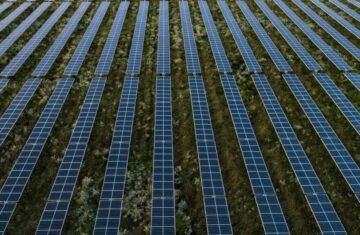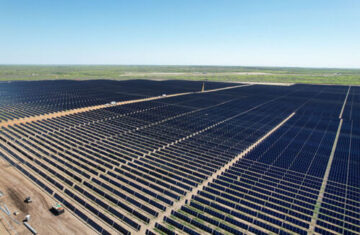
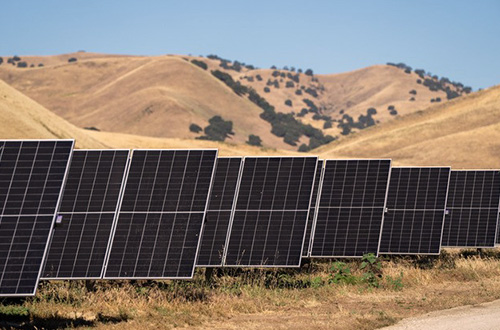
San Joaquin Valley, the Proxima Solar Farm is a critical response to the state’s dual energy challenges: retiring aging fossil-fuel plants and bolstering grid resilience against climate-induced stress. This project exemplifies the next wave of California’s clean energy transition, integrating large-scale generation with community benefits in an agricultural heartland.
Significance & Context
The Proxima Solar Farm is a 175-megawatt (MW) facility developed by EDF Renewables. Its power and associated renewable energy credits (RECs) are contracted under a long-term power purchase agreement with Silicon Valley Clean Energy (SVCE), a community choice aggregator serving numerous municipalities. This offtake agreement, highlighted in SVCE’s resource portfolio, is a key strategy for cities like Palo Alto and Cupertino to meet ambitious carbon neutrality goals. The project will generate enough electricity to power approximately 65,000 homes and will offset an estimated 250,000 metric tons of carbon dioxide emissions annually.
Development Timeline
Development for Proxima Solar began with land leasing and initial studies in 2019. The project secured its pivotal interconnection agreement with the California Independent System Operator (CAISO) in 2021, a status visible in the public CAISO Generator Interconnection Queue. The permitting process with Kings County and state agencies was completed in 2022. Following this, the project broke ground and entered a 16-month construction phase, achieving commercial operation and delivering first power to the CAISO grid in the fourth quarter of 2023.
Technology & Innovation
The Proxima Solar Farm utilizes a single-axis tracking system to maximize energy production during peak demand hours in the late afternoon. A defining innovative feature is its pioneering agrivoltaic design. The project incorporates elevated panel mounting and adjusted spacing to allow for the cultivation of shade-tolerant crops and the establishment of pollinator habitats underneath the array. This dual-use approach, supported by research from the National Renewable Energy Laboratory (NREL), aims to preserve agricultural land, support local food systems, and enhance soil health while generating power.
Challenges & Controversies
A significant challenge for the Proxima project was navigating concerns from local farmers about the permanent conversion of prime agricultural land. To address this, the developers engaged in extensive outreach with the Kings County Farm Bureau and local landowners, culminating in the enhanced agrivoltaics plan. This commitment to maintaining agricultural productivity beneath the panels was a key factor in securing a conditional use permit from the Kings County Planning Commission. The project also committed to a robust bond for full decommissioning and land restoration, providing long-term security for the community.
Community & Economic Impact
The project delivers a direct economic boost to Kings County. During peak construction, Proxima Solar typically employed over 350 workers, providing a significant influx of business for local vendors and services. Over its 35-year operational life, the project likely contributes over $40 million in total property tax revenue, a vital and predictable source of funding for local public services, including schools and healthcare. For the participating landowners, the long-term lease payments offer a stable financial return, providing a buffer against market volatility and water scarcity challenges that can impact traditional farming.
Future Outlook
As an operational asset, the Proxima Solar Farm is now a long-term contributor to California’s renewable energy targets. Its innovative agrivoltaic model is being closely watched as a potential template for reconciling solar development with agricultural preservation in the state’s critical Central Valley. The project’s infrastructure is also designed to be future-proof, with plans already underway to co-locate a 75 MW battery energy storage system. This addition, aligning with California Energy Commission (CEC)
storage targets, will allow Proxima to store excess solar energy and dispatch it during the critical evening hours, further enhancing grid reliability and the project’s overall value.
Discover also at USA: Madison Fields Solar Project