Elizabeth Solar Plant represents a significant step in the state’s strategic energy diversification. Located in a region historically defined by fossil fuel production, this utility-scale project demonstrates solar power’s growing role in balancing Louisiana’s energy portfolio. By generating clean electricity on reclaimed industrial land, the Elizabeth Solar Plant supports local economic transition while providing cost-competitive power to the regional grid, marking an important evolution in the state’s energy identity.
Significance & Context
The Elizabeth Solar Plant contributes significantly to Louisiana’s energy matrix, interconnecting with the Midcontinent Independent System Operator (MISO) grid managed by utilities like Cleco Power. Its development aligns with the state’s broader economic strategy to attract industrial investment requiring clean energy options. The project’s location on previously developed land demonstrates a sustainable approach to repurposing industrial sites, while its water-free operation provides a resilient power source—a strategic advantage noted in the Louisiana State Energy Office portfolio analysis.
Development Timeline
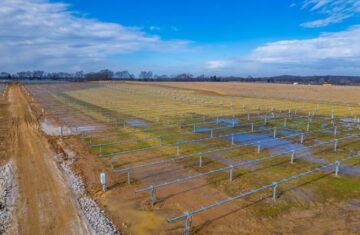
Development for the Elizabeth Solar Plant began in the early 2020s, leveraging improving solar economics and growing corporate sustainability demand. Key milestones included site acquisition, parish-level permitting, and securing a power purchase agreement with a combination of utility and commercial customers. Construction commenced in 2023, with specialized foundation work for the previously developed site, and the project achieved commercial operation in 2025.
Technology & Innovation
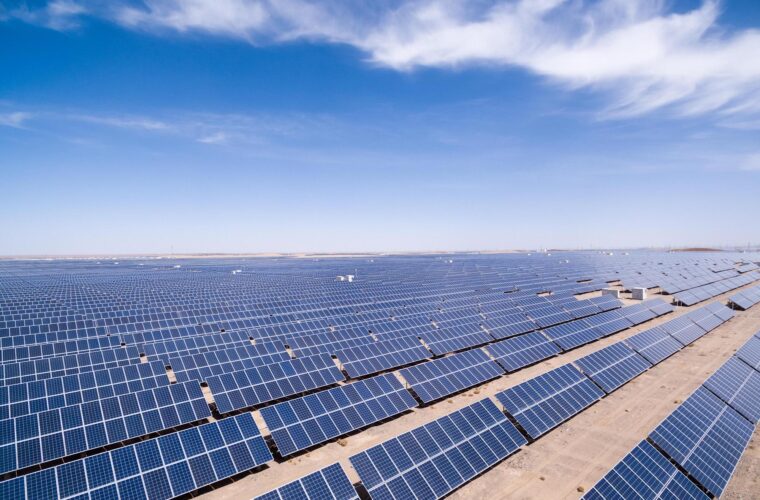
The Elizabeth Solar Plant utilizes high-efficiency, corrosion-resistant solar panels mounted on single-axis tracking systems optimized for Louisiana’s humid climate. The facility incorporates advanced inverters with voltage regulation capabilities to support grid stability. A notable innovation is the project’s agrivoltaic integration, maintaining pollinator habitats and allowing for compatible agricultural activities that support local ecosystems—a practice gaining recognition from the Louisiana State University AgCenter.
Challenges & Controversies
A primary challenge for the Elizabeth Solar Plant was addressing soil remediation requirements from the site’s previous industrial use. The presence of limited subsurface contaminants required careful management during construction. This was resolved through a collaborative remediation plan developed with the Louisiana Department of Environmental Quality, which included controlled excavation, soil stabilization, and verification testing to ensure the site met all regulatory standards for its new use.
Community & Economic Impact
For Allen Parish, the Elizabeth Solar Plant delivers meaningful economic benefits. During peak construction, the project typically employed over 150 workers, providing a significant boost to local services. The permanent operations team creates 10-15 long-term skilled positions. The project likely contributes a substantial increase in property tax revenue from previously underutilized land, directly supporting local schools and public services—a fiscal impact documented by the Police Jury Association of Louisiana. Landowners receive stable lease payments that provide financial security.
Future Outlook
The successful commissioning of the Elizabeth Solar Plant establishes a viable model for repurposing industrial sites for renewable energy across Louisiana. Its approach to combining environmental remediation with clean energy generation creates a template for future development. The site’s infrastructure is designed to accommodate future battery storage integration, which would enhance its value by allowing dispatch during evening peak periods. Elizabeth Solar Plant demonstrates that Louisiana’s energy transition can create new economic opportunities while honoring its industrial heritage, positioning the state for a more diversified energy future.
Also at Louisiana: Prairie Ronde Solar Farm