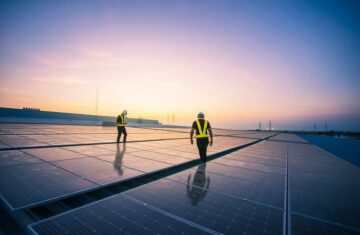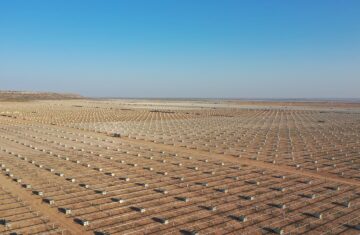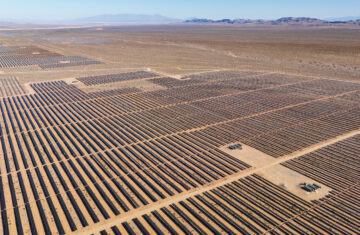
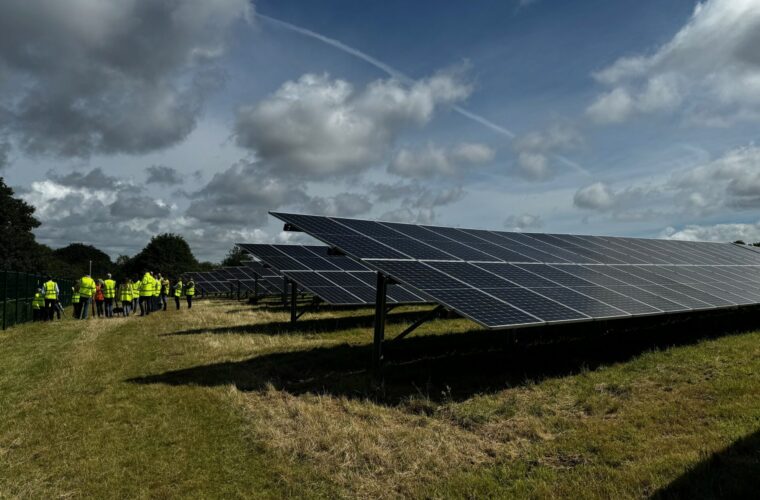
In California’s agriculturally rich Central Valley, the Solar Blue project at Kings County represents a new chapter in the state’s energy transition, strategically locating clean power generation in the heart of a high-demand region. This utility-scale solar farm goes beyond simply adding megawatts to the grid; it demonstrates a model for compatible land use, where renewable energy production and agricultural economy can coexist. By powering tens of thousands of homes with the region’s abundant sunshine, Solar Blue is a key component in achieving California’s ambitious climate goals while providing tangible economic benefits to a vital part of the state.
Significance & Context
The Solar Blue project is a significant contributor to California’s mandate for a 100% carbon-free electricity grid by 2045. Its location in Kings County is strategically important for the California Independent System Operator (CAISO), as it injects power directly into a region that faces both high agricultural energy demands and growing grid reliability challenges, especially during heatwaves. The project helps offset the need for electricity from fossil-fueled power plants, directly reducing carbon emissions and local air pollutants. This aligns with the clean energy targets outlined in the California Energy Commission’s Integrated Energy Policy Report (IEPR), which emphasizes the Central Valley’s role in the state’s renewable portfolio.
Development Timeline
Development for Solar Blue began in the early 2020s, a period of accelerated solar growth in California driven by state policy and utility procurement goals. Key milestones included securing land leases, navigating the county permitting process, and finalizing a power purchase agreement (PPA) with a utility or community choice aggregator. Construction commenced in 2023, and despite industry-wide challenges such as supply chain constraints, the project was successfully completed and reached commercial operation in 2025.
Technology & Innovation
Solar Blue utilizes high-efficiency, monocrystalline photovoltaic panels mounted on single-axis tracking systems. These trackers follow the sun’s path across the sky, maximizing energy production during peak daylight hours. The project’s design incorporates water-conscious practices, such as using robotic or efficient cleaning systems to minimize water consumption for panel maintenance—a critical innovation in a drought-sensitive region. The facility is also designed with agrivoltaic potential, allowing for the possibility of compatible agricultural activities, such as sheep grazing or pollinator habitats, to continue on the land beneath and around the panels.
Challenges & Controversies
A primary challenge for the Solar Blue project involved addressing concerns about the conversion of agricultural land. In a county where farming is the economic backbone, some community members and stakeholders were apprehensive about the long-term impact on the agricultural landscape. The developers addressed these concerns through a transparent public engagement process and by designing the project with compatibility in mind. They emphasized the use of less productive land where possible, the temporary nature of the land use (typically 30-35 years), and the potential for agrivoltaics, which helped build acceptance and align the project with county development goals.
Community & Economic Impact
For Kings County, Solar Blue delivers a substantial and multifaceted economic impact. During the construction phase, a project of this scale typically employs several hundred workers, providing a significant, though temporary, boost to the local economy. While the number of permanent operations and maintenance jobs is smaller, they represent stable, skilled careers. The project likely contributes a major, long-term increase in property tax revenue, which is vital for funding local services such as schools, public safety, and healthcare—a benefit documented by the Kings County Administrative Office. Landowners who lease their land receive a reliable new source of income, providing financial stability alongside or in place of traditional farming.
Future Outlook
The successful operation of Solar Blue reinforces the Central Valley’s critical role in California’s clean energy future. It serves as a replicable model for future solar development that balances energy production with agricultural preservation. As the grid evolves, the site is a prime candidate for the future addition of battery energy storage, which would allow it to supply power during the critical evening hours, further enhancing its value to the CAISO grid. The project underscores a long-term trend identified by the California Public Utilities Commission (CPUC): the continued and strategic expansion of solar power is indispensable for a reliable, affordable, and clean energy system.