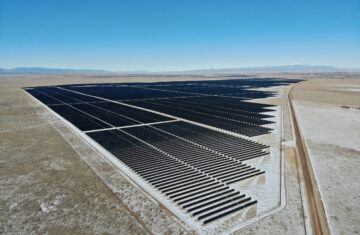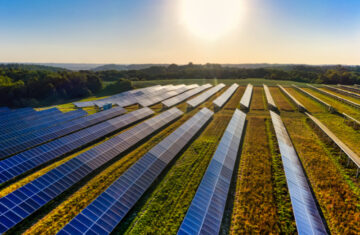
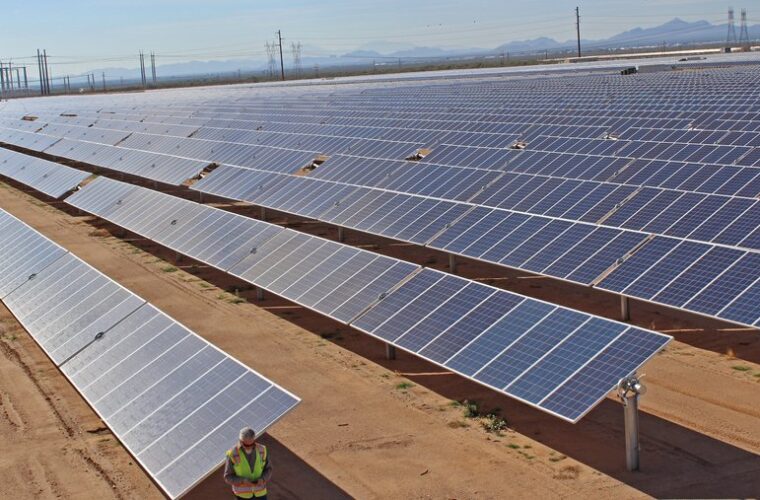
In the sun-drenched landscape of Arizona, where solar potential is among the highest in the nation, the Saint Solar Farm project represents a major step in harnessing the state’s most abundant natural resource for large-scale power generation. This utility-scale facility is not merely an addition to the grid; it is a critical component in the balancing act between Arizona’s rapid population growth, its significant agricultural water needs, and its transition toward a sustainable energy future. By converting sunlight directly into electricity, the project provides a clean alternative to fossil fuel generation, directly addressing both air quality concerns and long-term water conservation in the arid Southwest.
Significance & Context
The Saint Solar Farm enters an energy market dominated by the Palo Verde Nuclear Generating Station and natural gas plants. Its development is strategically significant for diversifying Arizona’s energy portfolio and enhancing grid reliability, particularly during periods of high air conditioning demand. The project’s power is crucial for helping utilities like Arizona Public Service (APS) meet their renewable energy standards, as mandated by the Arizona Corporation Commission. Furthermore, by generating electricity with virtually no water consumption, the solar farm provides a stark contrast to thermoelectric power plants, which require significant water for cooling—a critical advantage in a water-scarce state, as highlighted in reports from the Arizona Department of Water Resources.
Development Timeline
The development of the Saint Solar Farm accelerated following utility solicitations for new clean energy capacity around 2020. The project navigated Arizona’s state and county permitting processes, which included environmental and land-use reviews. A key milestone was securing a long-term Power Purchase Agreement (PPA) with a utility, providing the financial certainty needed to proceed. Construction began in 2022, and despite facing global supply chain pressures for solar components, the project was successfully completed and reached commercial operation in 2024.
Technology & Innovation
The Saint Solar Farm utilizes advanced photovoltaic (PV) technology tailored for the harsh desert environment. It features durable, high-efficiency monocrystalline panels designed to withstand high temperatures and mitigate dust accumulation, which can impact performance. The panels are mounted on single-axis tracking systems that follow the sun from east to west, increasing energy production during peak demand hours. The project’s inverters are equipped with advanced grid-support functions, helping to maintain voltage stability on the local transmission system, a capability increasingly valued by grid operators like the Western Electricity Coordinating Council (WECC).
Challenges & Controversies
A significant challenge for the Saint Solar Farm involved addressing water usage and environmental concerns during construction. Although operational water use is minimal, the initial construction phase requires water for dust control. In a drought-stricken region, this drew scrutiny from local communities and regulators. The developers addressed this by implementing a comprehensive water management plan, which included using recycled water where possible and employing alternative dust suppression methods to minimize freshwater consumption. This proactive approach was developed in consultation with county officials and helped ensure the project’s social license to operate.
Community & Economic Impact
For the local county, the Saint Solar Farm provides a substantial economic benefit. During the peak construction phase, a project of this scale typically employs 200-300 workers, providing a temporary boost to local businesses. While permanent operational jobs are fewer, they represent long-term, skilled positions for technicians. The project likely contributes a significant and predictable increase in property tax revenue, which directly funds local services such as schools, law enforcement, and infrastructure—a fiscal impact often studied by the Arizona Association of Counties. Landowners who lease their property benefit from a new, stable revenue stream that supports agricultural preservation by providing an alternative use for marginal land.
Future Outlook
The Saint Solar Farm is a cornerstone in Arizona’s clean energy build-out. Its successful integration into the grid demonstrates the viability of large-scale solar in the region and sets a precedent for future developments. As battery storage costs decline, the site is a prime candidate for a future co-located energy storage system, which would allow it to supply power after sunset and further enhance grid reliability. The project aligns with long-term plans outlined by Arizona’s Transmission Working Group, highlighting the need for continued investment in renewable energy to meet future demand sustainably. The Saint Solar Farm not only powers homes today but also illuminates the path for Arizona’s energy-independent future.
There is also at USA: Montague Solar farm