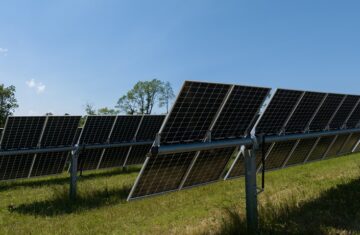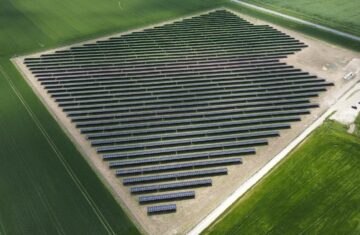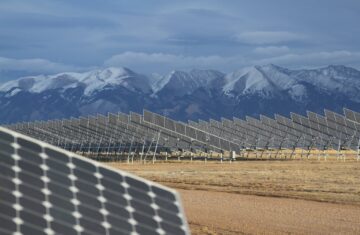
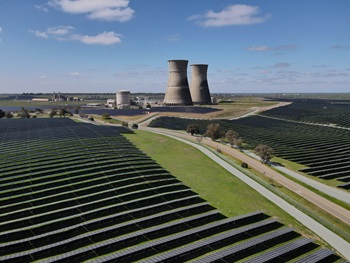
Rising on land adjacent to a decommissioned nuclear power plant, the Rancho Seco Solar II project represents a powerful symbol of California’s energy transition, transforming a site associated with nuclear energy into a source of clean, renewable power. This project demonstrates how communities can reimagine energy infrastructure while advancing the state’s ambitious climate goals.
Significance & Context
The Rancho Seco Solar II project is a 100-megawatt (AC) facility developed by Consolidated Asset Management Services (CAMS) on land near the historic Rancho Seco Nuclear Generating Station in Sacramento County. The project’s output is purchased by the Sacramento Municipal Utility District (SMUD), supporting its commitment to delivering 100% carbon-free electricity by 2030. According to data from the California Energy Commission (CEC), the facility generates enough electricity to power approximately 35,000 homes. This clean energy contribution displaces an estimated 150,000 metric tons of carbon dioxide emissions annually, supporting California’s mandate for a carbon-free grid by 2045.
Development Timeline
The project’s development builds on SMUD’s long-term vision for the Rancho Seco site, with planning for this phase beginning in 2019. A key milestone was the execution of the power purchase agreement with SMUD, which was reviewed by the California Public Utilities Commission (CPUC). The project successfully navigated the local permitting process with Sacramento County and interconnection studies with the California Independent System Operator (CAISO). Construction commenced in 2022, and the project achieved commercial operation in 2024.
Technology & Innovation
The Rancho Seco Solar II project utilizes contemporary solar technology while leveraging the unique advantages of its location. The facility features single-axis tracking systems that optimize energy capture throughout the day. A significant innovation is the project’s ability to utilize existing grid infrastructure originally built for the nuclear plant, reducing interconnection costs and maximizing efficiency. The project employs water-efficient cleaning systems for panel maintenance, a critical consideration in California’s drought-prone environment. Advanced inverters ensure stable integration with the CAISO grid.
Challenges & Controversies
A primary challenge for the Rancho Seco Solar II project involved addressing community perceptions and historical associations with the nuclear facility. Some local residents expressed concerns about industrial development and visual impacts on the rural landscape. These concerns were addressed through SMUD’s longstanding community engagement efforts and a project design that included vegetative screening and setback requirements to minimize visual impact. The resolution also emphasized the symbolic importance of repurposing the site for clean energy, turning a potential public relations challenge into a story of positive energy transition.
Community & Economic Impact
The Rancho Seco Solar II project provides meaningful economic benefits to Sacramento County. During the construction phase, the project typically employed 200-300 workers, according to workforce estimates from the Solar Energy Industries Association (SEIA). For long-term operations, it supports a permanent team of technicians for maintenance and monitoring. The project provides lease payments to SMUD, which benefits the public utility and its customers. Based on California’s tax policies for renewable energy, the project likely contributes significant tax revenue to Sacramento County, funding local services including schools and public safety.
Future Outlook
With an operational lifespan of 30+ years, the Rancho Seco Solar II project represents a long-term contribution to SMUD’s clean energy portfolio. The project’s success demonstrates the potential for repurposing former energy sites for renewable generation, a model that could be applied to other retired power plant locations. The site’s existing infrastructure and SMUD’s commitment to clean energy create potential for future expansion or the addition of battery energy storage systems (BESS). As California continues its transition to a carbon-free grid, the Rancho Seco Solar II project stands as a testament to how communities can transform their energy legacy while building a sustainable future.
There is also at USA: Wapello Solar farm