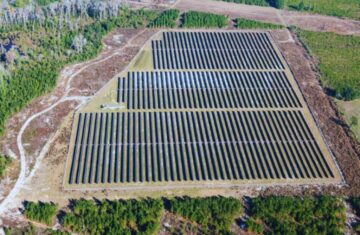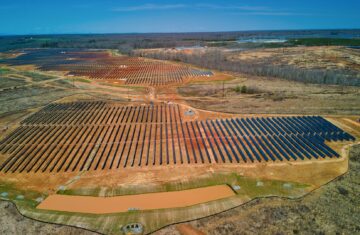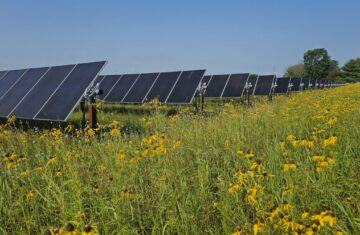
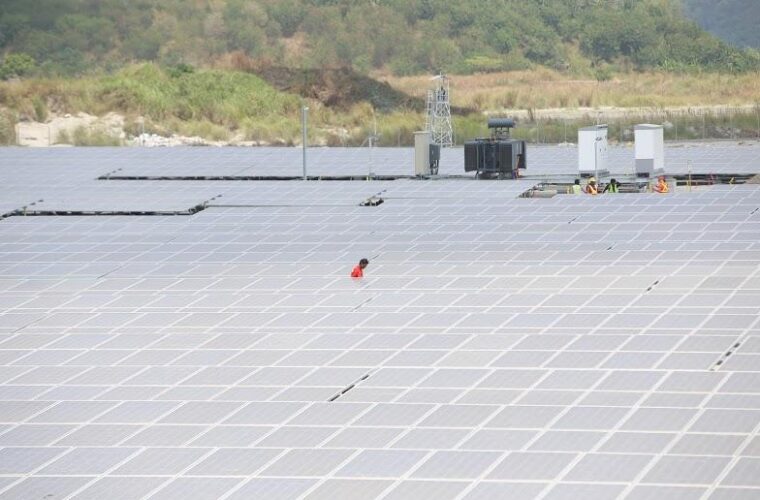
Playa Solar 2 project represents a strategic expansion of renewable energy infrastructure in a region rapidly embracing solar power while addressing the unique environmental challenges of the Mojave Desert. This project demonstrates how sequential solar development can build upon previous experience to optimize technology, enhance environmental protection, and maximize economic benefits for local communities.
Significance & Context
Developed by NextEra Energy Resources, the 150-megawatt (MW) Playa Solar 2 facility contributes significantly to Nevada’s renewable energy portfolio while operating within the state’s framework for responsible desert development. According to generation data from the U.S. Energy Information Administration (EIA), the facility produces enough electricity to power approximately 45,000 homes, supporting NV Energy‘s compliance with Nevada’s renewable portfolio standard. Its location in Clark County, adjacent to the original Playa Solar project, positions it to leverage existing transmission infrastructure while implementing improved environmental mitigation strategies based on lessons learned from earlier development.
Development Timeline
The project’s development built upon the success of its predecessor to streamline implementation. Development activities began in 2018, with the project receiving approval from the Clark County Commission in 2020 after comprehensive environmental review. Construction commenced in 2021, achieving commercial operation in 2023, as documented in NV Energy resource planning filings. This accelerated timeline benefited from using established environmental impact assessments and community relationships from the first Playa Solar project, while incorporating enhanced mitigation measures based on operational experience.
Technology & Innovation
Playa Solar 2 utilizes single-axis tracking systems with bifacial photovoltaic modules, representing technological advances over the original project. According to performance data from the National Renewable Energy Laboratory (NREL), this configuration increases energy yield by 10-15% compared to the technology used in the first phase. The project incorporates completely water-free operations using automated robotic cleaning systems that employ air pressure and rotating brushes instead of water—a critical innovation in this drought-prone region. Advanced inverters with grid-forming capabilities provide essential reliability services, including black start capability and enhanced frequency response for grid stability.
Challenges & Controversies
The expansion faced challenges related to cumulative impacts and concerns about additional development in sensitive desert habitat. Conservation groups including the Center for Biological Diversity raised concerns about further habitat fragmentation and impacts on wildlife corridors. The resolution involved implementing an enhanced Habitat Conservation Plan that expanded upon previous mitigation measures, including additional land dedication to conservation, establishment of improved wildlife corridors, and funding for advanced environmental monitoring technology. The project also addressed community concerns about visual impacts through improved landscaping and screening measures.
Community & Economic Impact
For Clark County, the project has delivered substantial economic benefits while building upon existing community relationships. During construction, the project typically employed 250-300 workers, with priority given to local residents from the Las Vegas metropolitan area. For ongoing operations, it maintains 10-12 permanent positions. Based on Clark County’s tax assessment models for utility-scale solar, the project likely contributes approximately $1.0-1.3 million annually in property tax revenue to local governments. Additionally, it provides stable lease payments to local landowners, creating a reliable income source that complements other economic activities in the region.
Future Outlook
With an expected operational lifespan of 30+ years, the Playa Solar 2 project represents a long-term commitment to both clean energy and desert conservation. The project’s completely water-free approach and enhanced environmental mitigation strategies set new benchmarks for solar development in arid regions. As technology advances, the site may incorporate energy storage to enhance its grid value or be repowered with more efficient panels. The project’s operational experience continues to inform best practices for solar development in sensitive ecosystems, while its success demonstrates that sequential project development can yield improvements in both economic efficiency and environmental protection, providing a model for future renewable energy expansion in the desert Southwest.
See also at Clark: Townsite Solar Project Hybrid