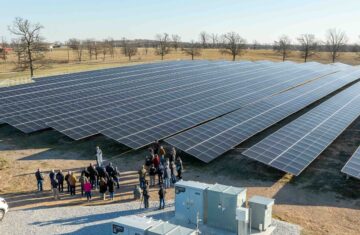
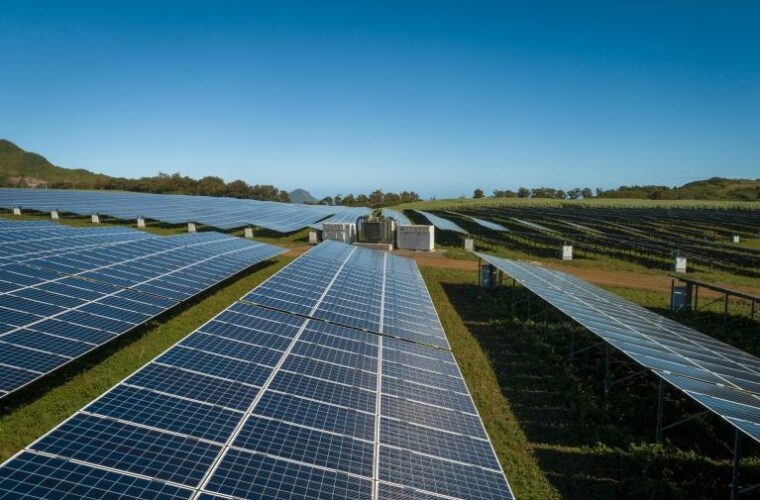
Rising from the agricultural landscape of California’s Central Valley, the Henrietta Solar Project represents a innovative approach to renewable energy development that prioritizes agricultural compatibility and community benefits, demonstrating how solar generation can complement rather than compete with the region’s farming heritage. This project exemplifies the next generation of solar development in California’s breadbasket, balancing clean energy goals with the preservation of agricultural land and rural community values.
Significance & Context
Developed by Recurrent Energy, the 200-megawatt (MW) Henrietta Solar Project contributes to California’s ambitious climate goals while addressing growing concerns about agricultural land preservation. According to data from the California Energy Commission, the facility generates enough electricity to power approximately 60,000 homes, making it a significant contributor to the state’s renewable portfolio standard targets. Its location in Kings County, at the heart of California’s agricultural belt, positions it as a test case for how utility-scale solar can be responsibly integrated into working landscapes while supporting the Pacific Gas & Electric grid serving the Central Valley.
Development Timeline
The project’s development reflects California’s evolving approach to solar siting in agricultural regions. Development activities began in 2018, with the project receiving approval from the Kings County Board of Supervisors in 2021 after extensive environmental review and community engagement. Construction commenced in 2022 following execution of power purchase agreements with multiple off-takers, reaching commercial operation in 2024. This timeline included additional planning for agricultural compatibility measures, demonstrating the careful approach required for projects in California’s productive farming regions.
Technology & Innovation
Henrietta Solar utilizes single-axis tracking systems with bifacial photovoltaic modules, specifically configured to allow sufficient light penetration for compatible agricultural activities. According to research from the University of California Division of Agriculture and Natural Resources, the project’s design incorporates optimized panel spacing and height to support pollinator habitats and selective crop production. The facility features advanced inverters with grid-support functionality and a specialized stormwater management system designed to protect local water quality and agricultural drainage patterns. Water-free robotic cleaning systems minimize water usage while maintaining panel efficiency.
Challenges & Controversies
The project faced significant opposition from agricultural preservation advocates and local farmers concerned about permanent loss of prime farmland. The California Farm Bureau Federation expressed concerns about setting precedents for agricultural land conversion. The resolution involved implementing a comprehensive Agricultural Compatibility and Protection Plan developed with the Kings County Agricultural Commissioner that included using reversible mounting systems, maintaining agricultural operations on portions of the site, and establishing a fund to support local agricultural preservation efforts. The project also committed to eventual decommissioning and full land restoration, with financial assurances secured through bonds.
Community & Economic Impact
For Kings County, the project delivers economic benefits while addressing agricultural preservation concerns. During construction, the project typically employed 250-300 workers, with local hiring preferences and partnerships with West Hills College for training programs. For ongoing operations, it maintains 8-12 permanent positions while supporting additional agricultural management jobs. Based on Kings County’s tax assessment models, the project likely contributes approximately $700,000-$900,000 annually in property tax revenue to local governments and school districts. Additionally, it provides supplemental lease income to local farmers, creating financial resilience for agricultural operations while maintaining the land’s long-term agricultural value through reversible installation techniques.
Future Outlook
With an expected operational lifespan of 30+ years, the Henrietta Solar Project serves as an important model for compatible renewable energy development in agricultural regions. The project’s ongoing monitoring of agricultural compatibility provides valuable data for future projects, contributing to research at institutions like UC Davis and Fresno State. As technology advances, the site may incorporate more sophisticated agrivoltaic systems or serve as a demonstration site for new approaches to dual-use solar development. The project’s careful balancing of energy and agricultural needs positions it as a reference case for how California can meet its renewable energy goals while preserving its agricultural heritage and supporting rural communities through thoughtful planning and innovation.